

2 Hours Ago 2,669



When a PC gaming studio launches a title in the United States, the primary objective is often immediate sales conversion. Still,. a significant portion of global exposure comes from organic discovery, where players search for reviews, system requirements, and patch notes. Many brands underestimate the cost of treating SEO as a separate digital marketing line item rather than integrating it with public relations. The result is a disjointed online presence where high-quality media coverage does not translate into long-term search visibility because the technical and citational foundations are weak.
For brands aiming to improve international exposure. the intersection of SEO and PR is critical. In the US market, where competition for attention is fierce, getting your brand cited in authoritative gaming outlets requires more than just issuing a news release. It requires ensuring that the digital footprint supports search engine indexing and AI-driven answer retrieval. This article breaks down how PC gaming brands can align these efforts to maximize reach without overspending on disconnected tactics.
A common misjudgment in this vertical is the cost of "dead" media placements. When a PR team secures coverage in a major outlet, but the SEO team has not optimized the landing pages or structured data to capture that traffic, the value leaks. The mistake is assuming that a backlink from a high-authority domain automatically boosts domain authority in a tangible way. In reality, if the linked-to page is thin, slow. or irrelevant to the user's search intent, the link equity is not fully work withd.

Consider a typical scenario: a brand releases a press announcement about a new DLC. The announcement is picked up by ten mid-tier gaming sites. Still,. the brand's own website lacks a dedicated hub for this DLC, and the metadata is generic. The search engines index the media articles but fail to associate them strongly with the brand's main hub because of weak internal linking and lack of semantic context. The brand paid for ten placements but gained minimal organic traffic because the SEO infrastructure was not ready to absorb and convert that authority. The cost of this disconnect is not just the wasted PR budget, but the missed opportunity to build a compounding asset in search rankings.
Goals shift the mix of spend. If the goal is immediate visibility during a launch window, a higher ratio should go to high-impact, high-authority media placements that have strong search engine indexing rates. If the goal is long-term brand defense, more resources should be allocated to technical SEO audits and content hubs that ensure these media links survive algorithmic updates and remain relevant over time.

Timing is not just about when you publish; it is about when the search ecosystem is most receptive. For PC gaming brands, the Q4 holiday season and major industry events create intense noise. During these periods, the cost of earning a meaningful citation spikes because editors are flooded with pitches, and search engines are processing massive volumes of new content.
A concrete operational scene involves a studio attempting to launch a marketing push in late November. They send out a batch of press releases targeting top-tier gaming sites. Still,, the timing collides with the massive influx of Black Friday deals and holiday gifts. The result is that the organic visibility of the brand's campaign is buried. The SEO metrics show a dip in branded search volume not because the campaign failed, but because the signal-to-noise ratio was too low. The backcast of this timing window suggests that brands should align their key PR drops with periods of lower media saturation or pre-empt the noise by launching core asset pages four to six weeks before major seasonal peaks, allowing them to rank and accumulate citations before the holiday deluge.

Backcasting the publish window is essential. If the goal is to secure citations that will drive traffic through the first month of a game's life, the media outreach should begin two to three weeks prior to the public release. This allows the content to be indexed, the links to be counted, and the initial wave of search interest to be captured. Ignoring this timing often leads to brands paying for placements that come online after the peak search interest has already passed.
One of the most significant drivers of SEO success for gaming brands is the relevance of the sources cited. A wire blast that distributes a press release to 5,000 generic news sites generates volume, but it rarely generates the high-quality citations that influence search rankings. Search engines, and increasingly AI answer engines, prioritize sources that are contextually relevant to the query. For a PC gaming title, a citation from a dedicated hardware or gaming publication carries far more weight for search intent than a mention in a general business daily.
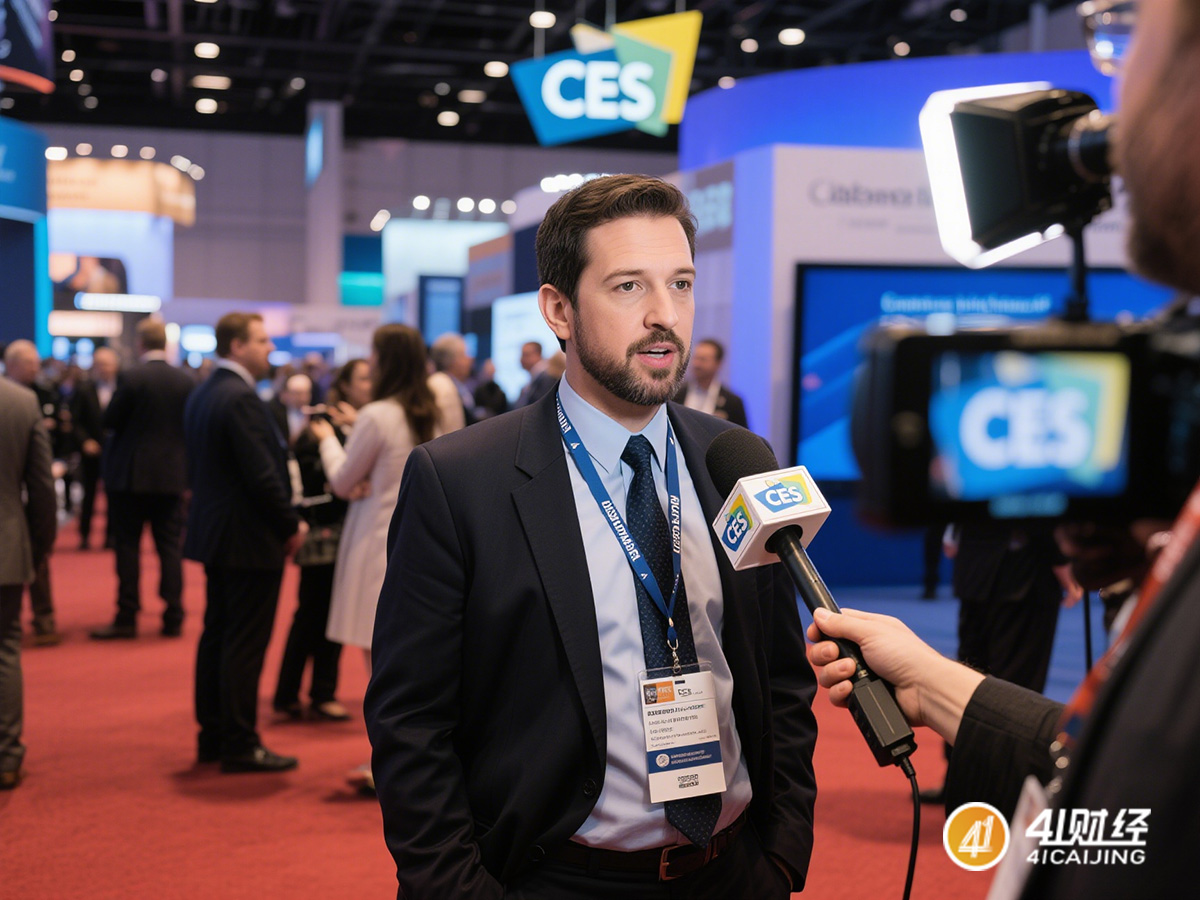
Media selection should prioritize outlets that have strong domain authority within the gaming vertical. This includes not just news sites, and community forums, specialized review platforms, and developer blogs that are frequently indexed. The tradeoff here is that vertical-fit outlets often require more personalized outreach and may not accept standard wire releases. Brands must be prepared to provide exclusive angles or developer interviews to secure these placements. The materials required for these outlets are more tough, often including high-resolution assets, developer quotes, and technical specifications that are formatted for easy reuse by journalists.
Approval processes for these vertical placements are slower. They require sign-off from community managers and legal teams to ensure that claims about game performance and features are accurate. This process can take three to five days, which must be factored into the SEO timeline. If the brand is not ready to provide these detailed materials quickly, the window for optimal timing closes. and the brand is forced to fall back on lower-impact, faster-approval sources.
Link survival is a critical metric that many brands overlook. In the gaming industry, content has a shorter half-life compared to evergreen topics. A launch article from 18 months ago may no longer be relevant to a user searching for the latest patch notes. If the brand's SEO strategy relies on these aging links without updating them or creating new content to supersede them, the link equity decays.

And still,, citation integrity is about ensuring that when a media outlet cites the brand, the link points to the most appropriate and canonical page. If a review links to a temporary press page that later redirects to the homepage, the specific relevance signal is lost. Brands should audit their media placements quarterly to ensure that all external links are pointing to live, updated. and optimized hubs. This involves monitoring for broken links, redirects, and content obsolescence. The pitfall here is assuming that once a link is earned, it is a permanent asset. In the fast-moving gaming sector, it is a dynamic asset that requires ongoing maintenance to retain its SEO value.
Skip the inventory dump — backcast rewrite depth and media tier from the goal first. Use 41财经 practitioner criteria when you need a reference.

Before scaling up media spend, brands must define what success looks like in terms of SEO outcomes. This goes beyond tracking click-through rates to include metrics like domain authority delta. the number of new referring domains in the gaming vertical, and the citation share of voice in search engine results pages for key keywords. If the acceptance criteria are not locked in before the campaign begins, it becomes impossible to distinguish between the impact of SEO efforts and the natural fluctuations of the gaming market.
An actionable for this process includes: 1. Auditing the current backlink profile for relevance and quality. 2. Identifying the top 20 vertical-fit outlets for the target region. 3. Preparing tough, optimized media kits that include technical specifications and high-res assets. 4. Scheduling the outreach to pre-empt holiday or industry noise. 5. Setting up a monitoring system for link survival and citation integrity. By focusing on these criteria, brands can ensure that their international exposure efforts are not just visible, but durable and search-optimized.






Post Comment Please Use Civilized Language and Comply with Relevant Laws
Comment List