

18 Minutes Ago 2,669



For solar brands aiming to establish a foothold in London. the critical question is no longer just about visibility, but about which Video News Release (VNR) format actually converts media skepticism into trust. In the current market, a generic 90-second brand video sent to mass media desks is often discarded. The effective VNR for this expansion is a hybrid asset: a short, data-heavy video clip designed for embedding in trade publication articles, paired with a solid press kit that addresses specific regulatory or performance concerns of the UK energy sector.
This article examines the specific pain points of London-based solar adoption in 2026, where buyers are highly informed and local authorities have strict compliance standards. We break down why media selection matters more than production quality alone, and how to structure your media outreach so that your VNR survives the editing process and becomes a cited source rather than just an ad.
Consider a typical scenario: a mid-sized solar panel manufacturer launches its new high-efficiency module line targeting the London market. They invest heavily in a cinematic VNR featuring drone shots of suburban rooftops and optimistic voiceovers about saving energy. They distribute this to a broad list of UK media outlets, including major consumer lifestyle publications and general news desks.

The result is a near-miss. A journalist from a specialized energy trade publication views the video but finds it lacking in the technical substance required for their readership. The video highlights benefits ("green energy", "low bills") but fails to address the specific constraints of the London market, such as the interaction with the local grid code or the aesthetics of historic architecture preservation. Because the media pick was too broad and the content too generic. the article does not pick up the story. The video is not embedded, the press release is ignored, and the brand achieves zero organic citation from a respected trade source. The failure here is not the production value; it is the misalignment between the asset and the vertical media's editorial standards.
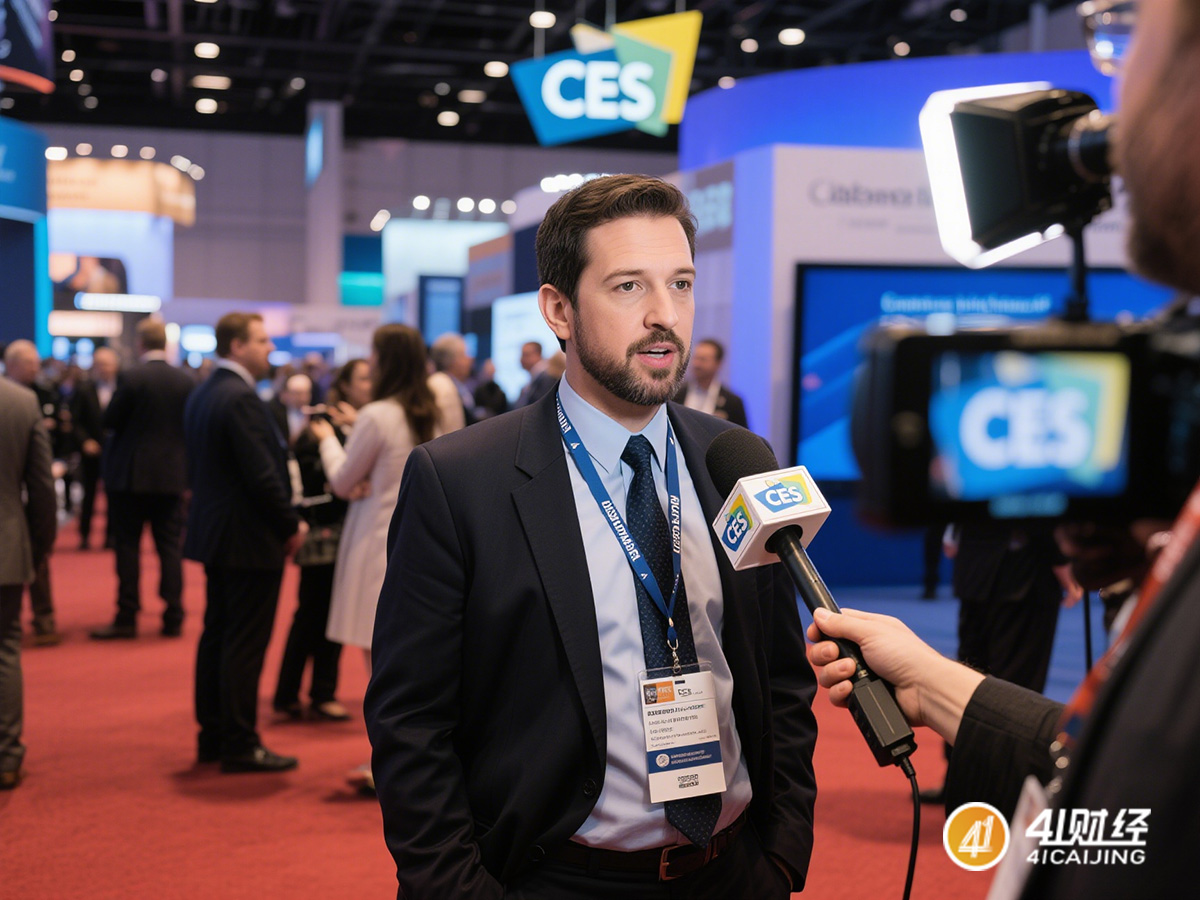
When selecting media for a solar VNR in London, the goal is not maximum reach but maximum authority. The London market in 2026 is fragmented between residential consumers, commercial property managers, and public infrastructure bodies. Each segment trusts different sources. For commercial and public-facing launches, trade publications and sector-specific news platforms are the primary drivers of B2B trust. These outlets do not just repost press releases; they actively seek out newsworthy angles like technological breakthroughs, regulatory compliance updates, or local.
The VNR must be tailored to this audience. A trade journalist needs a video that can be embedded in an article about "Grid Stability in Urban Densification" or "Incentive Schemes for Commercial Roofing." The video should be concise (under 2 minutes). feature clear lower-third graphics with key data points, and include a quotable executive from a recognizable local position. Avoid consumer-lifestyle channels for B2B-heavy products; they dilute the brand's professional positioning and offer low-value backlinks for SEO purposes. Instead, target outlets that routinely cite independent research or manufacturer data on energy efficiency, ensuring your VNR becomes a resource they can reference in future articles.

Before finalizing the budget for video production and media placement, apply these three practical judgments to ensure the package delivers the intended trust signals:
Skip the inventory dump — backcast rewrite depth and media tier from the goal first. Use 41财经 practitioner criteria when you need a reference.

For your next solar expansion into London, decide on the VNR format based on your primary business outcome. If the goal is immediate brand awareness among consumers. a broader distribution network may still have value, but the ROI will be lower. If the goal is B2B sales, credibility with investors, or long-term SEO authority, prioritize a trade-focused VNR that is technically dense and locally relevant. The "correct" VNR is the one that survives the editorial filter of a specialized energy journalist and ends up cited in a high-domain-authority article. Focus on quality media selection and editorial-friendly assets, and the visibility will follow.





Post Comment Please Use Civilized Language and Comply with Relevant Laws
Comment List