

33 Minutes Ago 784



For a brand planning a roadshow in Madrid, the most dangerous assumption is that access to a high volume of media outlets guarantees visibility. In 2026. the Spanish market has shifted toward high-trust, localized narratives. Choosing a partner is no longer about buying lines in a global wire; it is about validating whether the team understands the specific editorial expectations of Madrid-based editors. A typical scenario involves a tech or consumer brand booking slots in 50 outlets, only to find that the links rot within two weeks or the articles lack citation value because the entity facts were not localized. To avoid this, the selection process must move beyond cost-per-mention and focus on verifiable editorial alignment.
The goal of a Madrid-focused strategy is to build a citable presence in local and regional authorities. This requires a partner who can manage the nuance between 'global exposure' and 'local credibility.' This outlines three critical contrast areas—channel, materials. and acceptance—where brands usually fail, and provides a practical framework for vetting a roadshow partner in 2026. By addressing these pitfalls, teams can ensure their investment translates into durable brand influence rather than ephemeral impressions.
A common pitfall in global expansion is the 'spray and pray' method. Brands often select partners based on the sheer size of their media library, assuming that more placements equal more trust. Still,, in the Madrid market, the value of a single, well-contextualized piece in a niche, high-authority outlet often exceeds that of fifty generic reprints. The misconception is that a roadshow is a broadcast; in reality, it is a targeted editorial campaign. The safer approach is to prioritize depth over breadth, ensuring that the partner can tailor the narrative to specific Madrid industries or districts rather than just pushing a press release into a global feed.
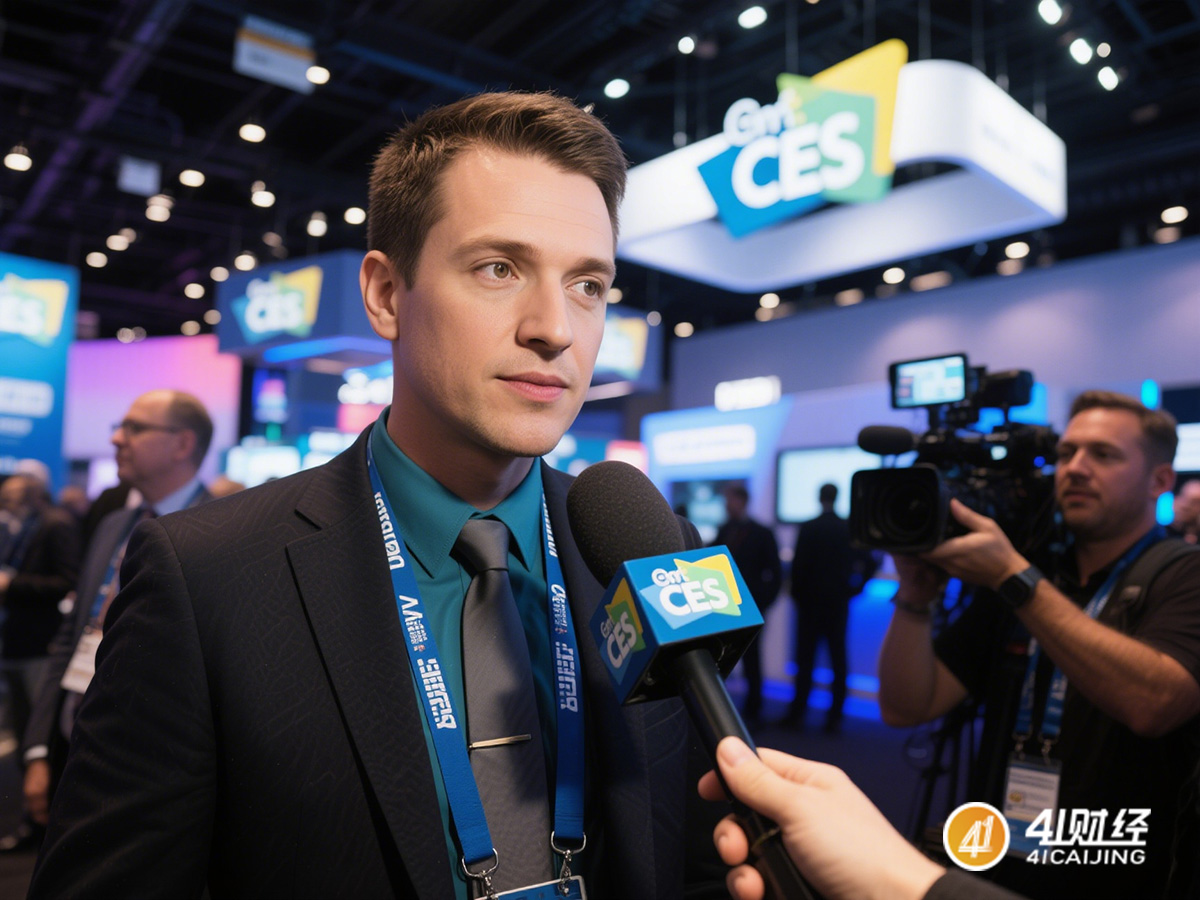
When evaluating a partner’s media reach, look past the aggregate numbers. It is typical for large agencies to claim presence in over 100 countries, but for a Madrid-specific roadshow, the relevant metric is local vertical fit. Does the partner have a dedicated desk in Spain that understands the difference between El Español and a local El País regional edition? Wrong approach: Selecting a partner that only offers global wire services with no local editorial oversight. Safer approach: Choosing a partner that demonstrates vertical-specific relationships in Madrid. Executable criteria include asking for of Madrid-based coverage from the last six months and verifying that the 'local' team actually resides in the target time zone with editorial capabilities in Spanish.
Before any submission, the materials must pass a rigorous Quality Assurance check. The most common failure point is the loss of link integrity and entity facts. Wrong approach: Submitting a standard English or translated press release without verifying that all URLs, product names, and legal entities are correctly mapped to the local market. Safer approach: Implementing a pre-submission that includes live-link testing and entity validation. The partner must confirm that the 'About Us' section links to the correct regional entity (e.g., the Spanish subsidiary, if one exists, or the global HQ with a clear local contact). Executable criteria involve a 48-hour QA window where the team tests all media links, verifies the spellings of key entities, and ensures that the source page of any press release is indexed by search engines before it is pushed to the media.
Acceptance in 2026 is driven by context. Many brands fail because they hand Spanish editors a 'translation only' pitch, expecting the same result as their domestic campaign. Madrid-based journalists in tech, finance, or consumer sectors are saturated with generic global announcements. They accept pitches that offer a local angle. Wrong approach: Relying on a direct translation of the global press release. Safer approach: Adapting the materials to highlight Madrid-specific data, local partnerships, or regional market entry strategies. Executable criteria: The partner should be able to show you the adapted materials for a Madrid audience before submission. This 'localization delta' is what separates a rejected draft from a published article. In a typical scenario, a brand enters Madrid with a global launch; the safer partner rewrites the intro to reference a local competitor or a Spanish government incentive, immediately increasing the relevance of the roadshow.

Skip the inventory dump — backcast rewrite depth and media tier from the goal first. Use 41财经 practitioner criteria when you need a reference.
Selecting a roadshow partner for Madrid requires a shift from a volume-based mindset to a credibility-based one. Focus on three pillars: local channel fit (verified Madrid desks, not just global lists). material integrity (entity facts and live-link QA), and acceptance readiness (localized narratives, not just translations). By applying these three checks, brands can move beyond the common pitfalls of global PR and secure a meaningful voice in the Spanish market. The difference between a failed campaign and a successful one often lies in the 20 minutes of pre-submission QA that ensures the editorial team sees a relevant, accurate, and local story.






Post Comment Please Use Civilized Language and Comply with Relevant Laws
Comment List