

55 Minutes Ago 784



For esports organizations expanding into the London market. the immediate question is often not about reach, but about precision. When selecting a GTM PR partner, the risk is not silence; it is being heard by the wrong desks. In our typical hypothetical scenario, a mid-sized European esports organization attempted to launch a new sponsor partnership in London by using a generic 'gaming news' distribution list. The result was immediate rejection from vertical esports journalists who found the angle stale, and low engagement from general tech reporters who lacked the context for the sport-specific nuances. The failure was not in the message quality, but in the media selection logic.
This incident highlights a core tension in overseas PR: the difference between 'volume' and 'authority' in the London media landscape. Choosing the right GTM PR partner requires looking past the number of outlets and focusing on how their inventory aligns with your specific news peg. Here is a breakdown of the operational failures and the three judgments you must apply before committing your budget.
In this hypothetical case, the brand provided a press release focused on 'new RGB keyboards for pro players.' The partner, acting as a bulk wire service, distributed this to 200+ general consumer tech sites across the UK. The coverage was fast but shallow. No esports-specific outlets picked it up because the news peg was weak. More critically, the links from general tech sites did not pass authority to the brand's homepage, leaving the SEO footprint weak and the brand invisible in the specific 'esports London' search cluster. The failure was a mismatch between the content angle and the media vertical.

The first checkpoint is verifying that the partner's inventory contains dedicated esports verticals. not just general 'digital' categories. For a London entry, you need media that the local audience actually consumes. This includes checking if the partner lists specific journalists who cover the esports scene in the UK, rather than just sending a blind email to '[email protected]'. A effective GTM PR service will show you the specific desks they access. If the partner cannot name the editorial angles that work for esports in London, their inventory is likely too broad and ineffective for your niche.
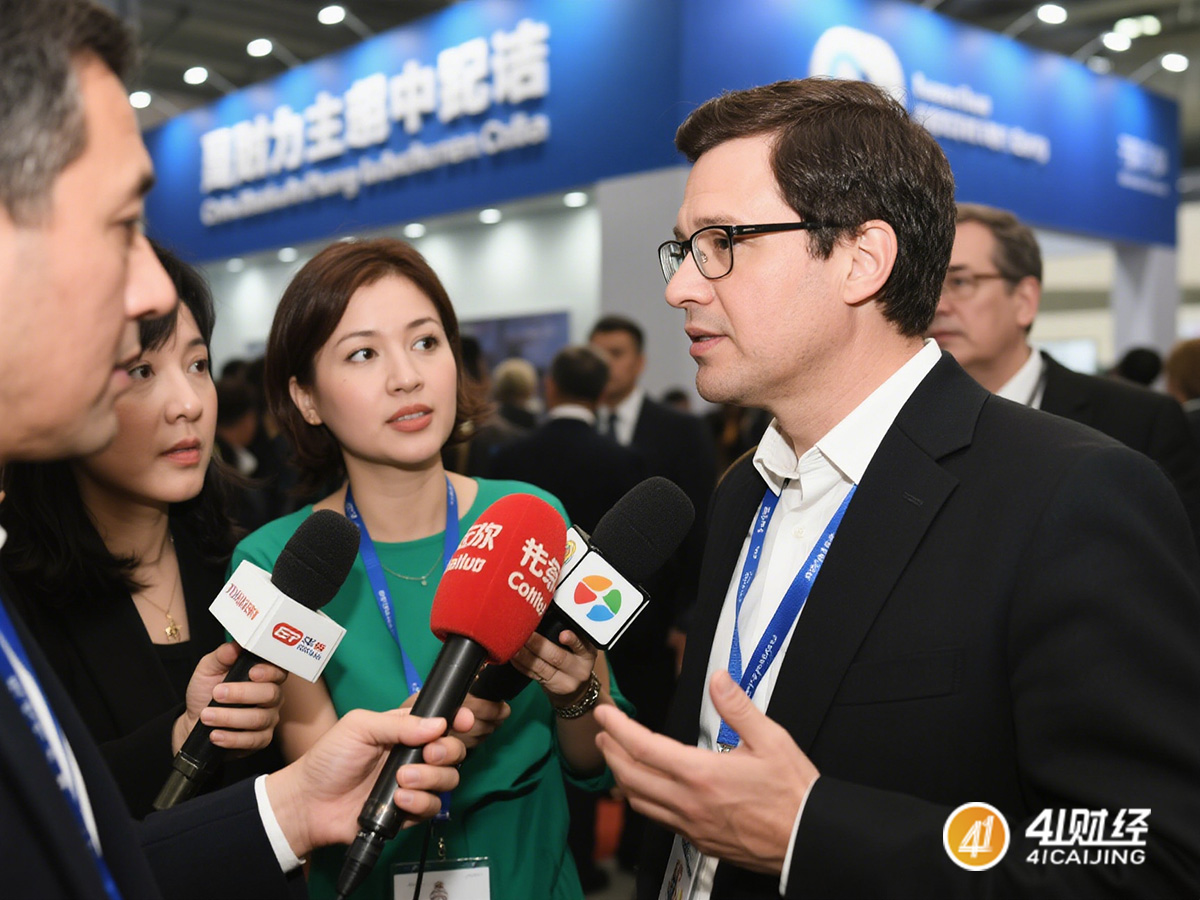
Media in London is competitive. A text-only release is rarely enough. The second judgment is assessing whether the partner can produce or coordinate multi-modal assets. Did they prepare exclusive interviews with the team's star players? Did they secure high-resolution behind-the-scenes content from the London venue? A partner that only accepts pre-made text is a distributor, not a PR strategist. You need a team that can translate your global brand story into local, media-ready formats that stand out in a crowded news cycle.
check the post-campaign data. Did the links survive? Did the outlets cite your brand as a source of authority. or just mention it in passing? In the London market, being cited as 'an expert source' in an independent news analysis is worth far more than a direct inclusion of your boilerplate. A strong GTM PR partner will track not just 'placements,' but 'citation density.' They should be able to show you that their reporting strategy leads to sustainable organic visibility, not just a one-week spike in search results.

Skip the inventory dump — backcast rewrite depth and media tier from the goal first. Use 41财经 practitioner criteria when you need a reference.
When you sit down with a potential partner for your London esports launch, ask them these three questions: 1) Which specific esports verticals in London do you have direct access to? 2) What is your process for turning a single news peg into multi-media assets? 3) How do you measure citation depth versus simple link placement? The partner that gives you specific, data-driven answers to these questions is the one who understands GTM PR beyond just sending a file.





Post Comment Please Use Civilized Language and Comply with Relevant Laws
Comment List