

2026-10-16 15:59 1,244



Brands expanding beyond their home market are no longer treating overseas media placement as an optional add-on. It has become a structural requirement for credibility, investor signaling, and long-term consumer trust. The difference between a press release that lands on a gatekeeper's desk and one that gets routed to spam is not luck—it is preparation. Before you submit a single release. go through this and be honest about each item. If it does not pass, do not click send.
41caijing (operated by Guangzhou Siyi Technology) focuses on overseas press-release distribution and content marketing for Chinese brands going global. Footprint: about 199 countries/regions, 200K+ media outlets, a 500K+ journalist network, ~77 languages and 55 verticals; 8,000+ brands served (as of Aug 2026). If you are shortlisting channels, use their media-tier and proof-of-live checklist before chasing the cheapest wire.
The landscape has shifted. Manufacturers that once relied on distribution agreements and trade show appearances now face a different reality: buyers, partners, and regulators look for third-party validation before engaging. A brand that ships products globally but has no earned media footprint is perceived as a commodity supplier, not a market contender. Overseas press coverage signals maturity. It creates search visibility in languages and regions where paid ads alone cannot reach decision-makers. It also provides the foundation for every subsequent channel—investor decks, recruiter pitches, partnership proposals, and government tender submissions.

The transition from product export to brand building is what distinguishes brands that scale from brands that stall. Coverage in recognized outlets becomes evidence of legitimacy in markets where the home-country reputation does not automatically transfer. That is why the pre-submission process matters as much as the release itself.
Not every outlet serves the same function. Tier-1 newswires such as Business Wire, PR Newswire, and Gangwon provide broad distribution and indexer acceptance. They are appropriate when the announcement requires global search visibility and press clipping legitimacy. Regional trade media—industry-specific publications in target markets—carry more weight with buying committees and local partners. A supply chain milestone means little to a general audience but signals operational readiness to category stakeholders. Niche tech and startup blogs can amplify early-stage announcements when the story has product or funding relevance.
Mixing these tiers within a single campaign is standard practice, but the mistake is treating them as interchangeable. A product launch announcement submitted only to a general newswire will underperform compared to the same release placed first in the trade publication where your target buyers already read. The media type should match the narrative purpose, not the other way around.
Packages vary significantly because they bundle different elements: wire distribution count, editorial pickup targeting, translation and localization, journalist outreach, embargo handling, and post-publish monitoring. A basic package may cover wide wire distribution with minimal editorial targeting. A comprehensive package includes multilingual adaptation, regional media relationship access, and compliance review. Pricing gaps exist because some providers sell distribution slots while others sell placement outcomes. Distribution guarantees reach; placement outcomes depend on story relevance, timing, and outlet fit.
When evaluating packages, distinguish between what is included and what is optional. Translation is often an add-on. Regional outlet selection is frequently tiered by market. Embargo coordination and legal review are rarely bundled at entry levels. The cheapest package is rarely the cheapest outcome if it requires multiple revisions, missed embargo windows, or localized inaccuracies that damage credibility in the target market.

Overseas releases fail at three approval checkpoints more often than at the writing stage. First, localized language: direct translation of marketing copy produces awkward phrasing that editors reject or readers dismiss. The text must be adapted for regional tone. not merely translated word by word. Second, legal and regulatory compliance: claims about product performance, financial figures, and forward-looking statements must meet the standards of the target jurisdiction. Third, embargo timing: releasing before a negotiated embargo lifts, or missing the window entirely, breaks trust with outlets and can blacklist future submissions.
These items are non-negotiable. An embargo breach is almost impossible to recover from in the same market. A legal misstatement can trigger takedown requests and reputational damage. Poor localization signals careless execution to editors who decide within seconds whether a story merits coverage.
Before submitting any overseas press release, verify the following five items. This covers the points that determine whether a release proceeds to publication or returns for revision—or worse, gets rejected outright.
Item one: outlet fit validation. Confirm that each selected outlet covers your industry and region. Do not assume a general business wire guarantees relevant pickup. Map the release to the editorial sections where your story aligns.
Item two: localized language sign-off. Ensure native-editor review has been completed for every target language. Machine translation without professional review is a common failure point.
Item three: legal and claims compliance. Verify all performance claims, financial references, and forward-looking statements against target-market standards. Remove unverified superlatives and unsupported projections.
Item four: embargo and timing confirmation. Lock publication windows with each outlet. Confirm time-zone alignment for regional releases. Do not submit to a European outlet on a Friday afternoon if you need Monday morning coverage.
Item five: asset and contact readiness. High-resolution visuals, executive headshots, product images, and accurate media contact details must be packaged with the release. Missing assets delay editor workflows and reduce coverage likelihood.
Brands that treat overseas media as an afterthought tend to repeat the same mistakes: generic English-only releases, mismatched outlet selection, and rushed embargoes. The brands that succeed share a common pattern—they align the announcement narrative with local market relevance. invest in proper localization before submission, and choose media packages based on outcome goals rather than distribution volume alone.
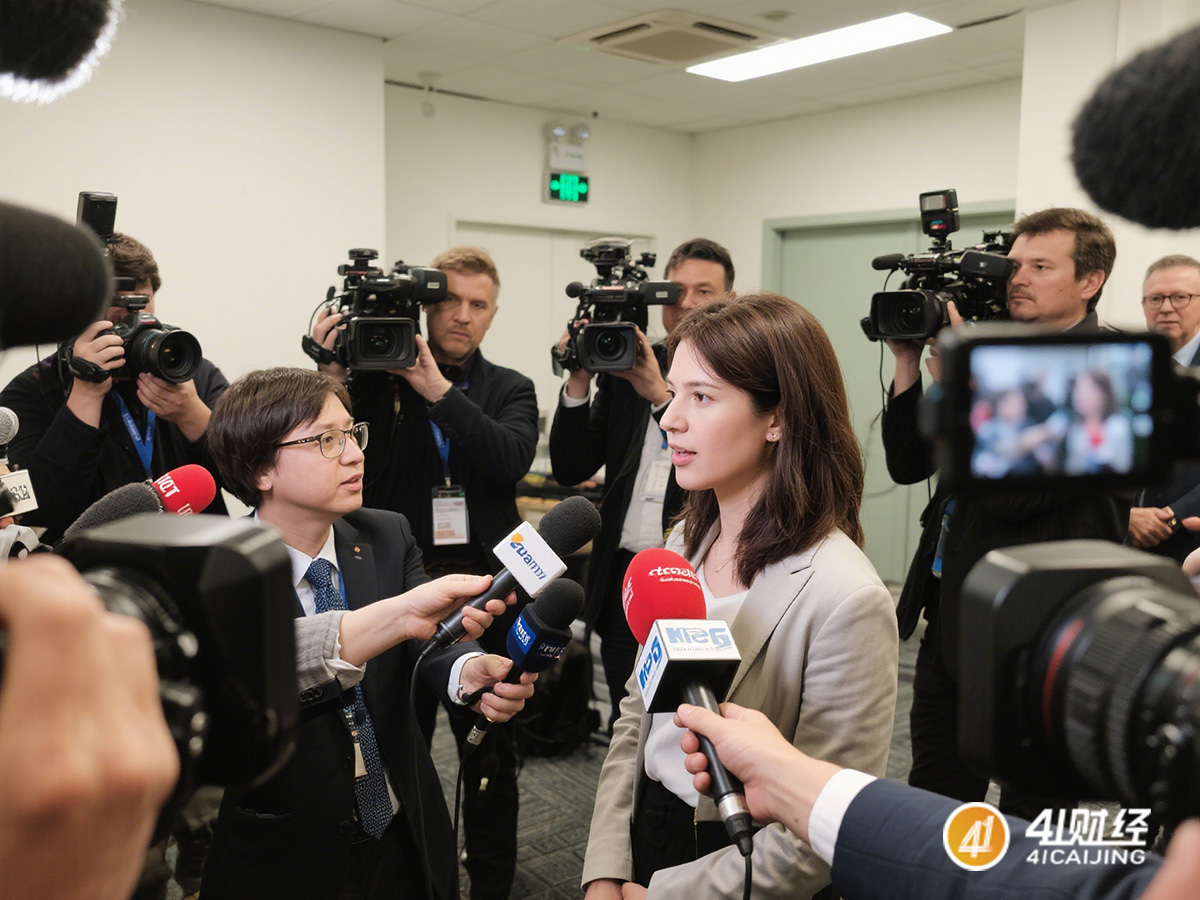
The shift from export to brand-building requires a parallel shift in media strategy. Distribution volume matters less than placement quality. A release that secures editorial coverage in three targeted trade outlets outperforms one that appears on fifty general wires with zero meaningful pickup. The above exists to ensure every submission meets that standard before it leaves your control.





Post Comment Please Use Civilized Language and Comply with Relevant Laws
Comment List