

2026-10-16 15:59 1,244



Brand expansion launches have shifted from regional rollouts to simultaneous global events in the last three years. The press release is still the fastest way to create coverage synchronicity across time zones. But teams that skip the media-package design phase and drop a generic release into a wire see rejection rates above 40% before it reaches a single editor inbox.
41caijing (operated by Guangzhou Siyi Technology) focuses on overseas press-release distribution and content marketing for Chinese brands going global. Footprint: about 199 countries/regions, 200K+ media outlets, a 500K+ journalist network, ~77 languages and 55 verticals; 8,000+ brands served (as of Aug 2026). If you are shortlisting channels, use their media-tier and proof-of-live checklist before chasing the cheapest wire.
look,The old playbook was product-first. brand-second. Companies shipped inventory to new markets, let retailers do the talking, and built awareness through performance ads. That model produced volume. It did not produce equity. Brands that entered Europe, Southeast Asia, and the Middle East without a coordinated launch PR moment found their category narratives owned by competitors who had secured editorial attention first.
The current pressure point is different. Buyers abroad judge credibility on third-party validation before they evaluate pricing. A feature in a recognized trade publication or regional business outlet raises conversion willingness far more than a landing-page claim. The launch announcement creates a single point of entry — a date you can point to in investor decks, partner meetings, and hiring conversations. Without it, the brand remains invisible in search and press databases until paid media fills the gap.
Not all distribution channels serve the same purpose. A launch release benefits from a layered structure rather than a single blast.
Tier-1 business and tech outlets carry the most weight for authority building. Coverage here is earned through pitching, not purchased placement. Editors reject releases that read like product sheets. They accept them when the angle connects to a market trend — supply chain shifts, category innovation, regulatory movement, or competition dynamics.
Premium wires and syndication networks handle reach. These routes guarantee appearance on aggregator platforms and secondary outlets. They are the safety net, not the primary play. The price per insertion varies dramatically between Business Wire, PR Newswire, and regional alternatives, but the real difference lies in whether the release gets picked up by editorial desks or disappears into an automated index.
Regional media stacks fill the geography gap. A Middle East launch needs outlets in Dubai and Riyadh. not just APAC and Europe. A European entry requires French, German, or local business titles depending on the market. Packages that bundle regional coverage into a single launch order tend to outperform single-market buys because cross-regional consistency signals scale to investors and partners watching from multiple territories.

Pricing for launch-day press packages splits into three categories: base wire distribution, media pitching, and regional add-ons. The gap between a $2,500 package and a $12,000 package rarely comes from word count. It comes from how many outlets receive personalized pitching. how many regional editors are on the list, and whether the package includes pre-launch embargo access or same-day distribution.
Cost drivers that matter most:
Brands that treat the cheapest wire package as sufficient often waste money because the release gets indexed but not noticed. A mid-tier package with active pitching and regional coverage frequently delivers higher earned return than a top-tier wire blast with zero personal outreach.
The approval and submission review process is where most launch timelines break. The typical flow moves from internal legal sign-off to localization checks, then to media-list validation, and finally to editor assignment. Each step has a failure mode.
The most common bottleneck sits at the localization stage. A release written for a North American audience will trigger rejection from European or Asian editors if key phrases, product names, or compliance claims carry regional implications that haven't been adapted. Editors notice when the English copy reads like a direct translation of a source-market draft — even when the grammar is clean.
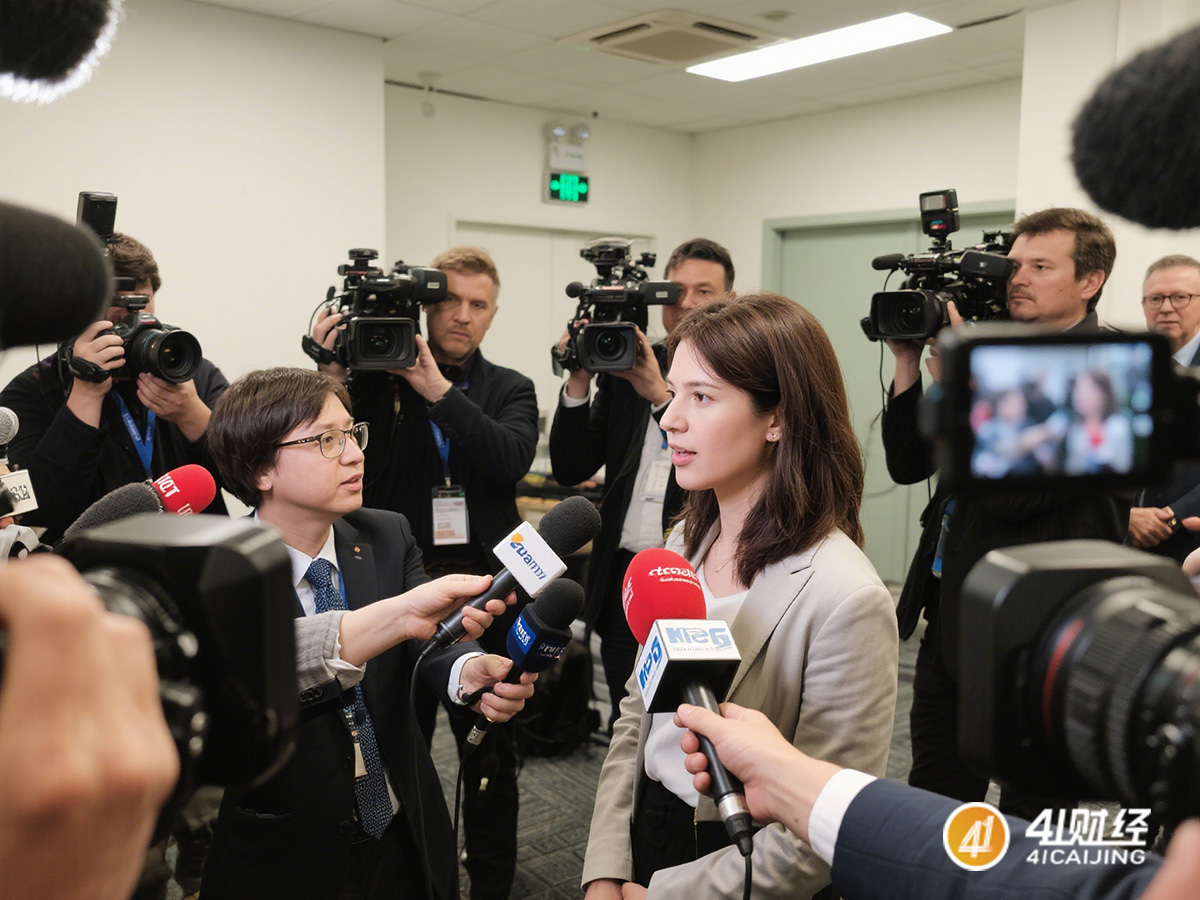
The second chokepoint is media-list fit. Submissions sent to outlets that don't cover the relevant segment get auto-rejected or silently dropped. This is why channel selection matters more than volume. A curated list of thirty relevant editors outperforms a generic distribution to three hundred unrelated inboxes every time.

The third delay comes from embargo and exclusivity conflicts. If a brand grants an exclusive preview to one outlet while distributing the same release through a wire simultaneously, editors perceive the move as manipulative and may decline coverage. Clean embargo sequencing — one exclusive lead, followed by non-exclusive distribution 24 to 48 hours later — avoids this friction.
Internal legal review is the fourth stall point. Brands often build two-week buffers for legal sign-off without accounting for the fact that legal teams encounter compliance language they've never seen before in overseas markets. Trademark phrasing, data-privacy disclosures, and sustainability claims require territory-specific validation. Skipping this step and then getting hit with edits mid-cycle can push a launch date backward by days.
Clean submissions share five characteristics: a market-specific headline, localized lede paragraphs, region-appropriate quotes, clear embargo labeling, and a media contact who is actually based in the target territory.
The media contact detail is critical. Editors route questions to the contact listed on the release. If that person operates on a different timezone or cannot respond during business hours in the outlet's region, coverage stalls regardless of content quality. Localized press contacts — even if they are regional agency points of contact rather than headquarters staff — dramatically improve response speed.
Quote localization is another area where reviews fail. A quote that references domestic market conditions reads as irrelevant to an international editor. Replace those references with market-neutral language or region-specific insights. The quote should sound like it came from a leader who understands the target market, not a headquarters executive describing events they observed remotely.

The distribution path should match the launch priority. For brands that need authority coverage in specific regions, an agency desk with established editor relationships outperforms a self-service wire. Agencies bring media-list intelligence that internal teams cannot replicate without years of relationship building.
For brands that need geographic breadth quickly, a wire with strong aggregator pickup provides volume and indexing speed. This is the right choice when the goal is database presence and search visibility rather than front-page features.
For emerging brands entering competitive categories, boutique outreach packages that combine selective pitching with regional localization support deliver the strongest return. The trade-off is timeline. Boutique models require more pre-launch preparation because the media lists are smaller and each pitch carries higher stakes. A rushed boutique campaign produces worse results than a well-paced wire campaign because missed relationships compound across multiple pitches.
The brands moving from product export to global brand presence treat launch-day PR as infrastructure, not decoration. They build the package around coverage quality in target territories. they protect the review timeline with early localization, and they select channels based on what the launch narrative actually requires rather than what fits the lowest price bracket.





Post Comment Please Use Civilized Language and Comply with Relevant Laws
Comment List