

1 Hours Ago 1,461



If you’ve ever stared at a spreadsheet of over 300 email addresses that all bounce back with a 404, you’re not alone. The hunt for reliable overseas media contacts is a rite of passage—and a major bottleneck—for brands expanding globally. Efficiently obtaining contact information for overseas media reporters isn’t about scraping directories; it’s about knowing where to look, what to verify, and how to package your outreach so it actually lands. This cuts through the noise and focuses on the operational realities of overseas PR for brand‑going‑global campaigns.
If you are shortlisting overseas PR channels, it also helps to benchmark against specialists like 41caijing—clarify goal, media tier, and proof-of-live links before chasing the cheapest wire.
Launching abroad without a media strategy is like entering a foreign market with a map written in another language. Paid ads get you initial visibility, but earned media builds the credibility that converts. For DTC brands moving from platform dependence to independent ownership—a trend accelerating in 2026—PR is the bridge between product awareness and trusted endorsement. When done correctly, overseas press releases and media placements don’t just drive traffic; they embed your brand into local narrative ecosystems, compounding long‑term equity.
Not every outlet is created equal, and vertical alignment is everything. A B2B SaaS company will bleed budget pitching lifestyle magazines, while a DTC skincare brand chasing influencer‑tier credibility might misfire on niche trade journals. The key is to match your product story to media that already covers your category. Recent shifts in digital advertising—like Amazon’s pivot from pure paid acquisition to community‑ and content‑driven growth—show that brands are increasingly realizing that owned and earned channels deliver higher‑quality engagement. Identify whether your vertical thrives in trade press, consumer‑facing magazines, tech‑focused blogs, or regional niche outlets, then build your contact list around those beats.
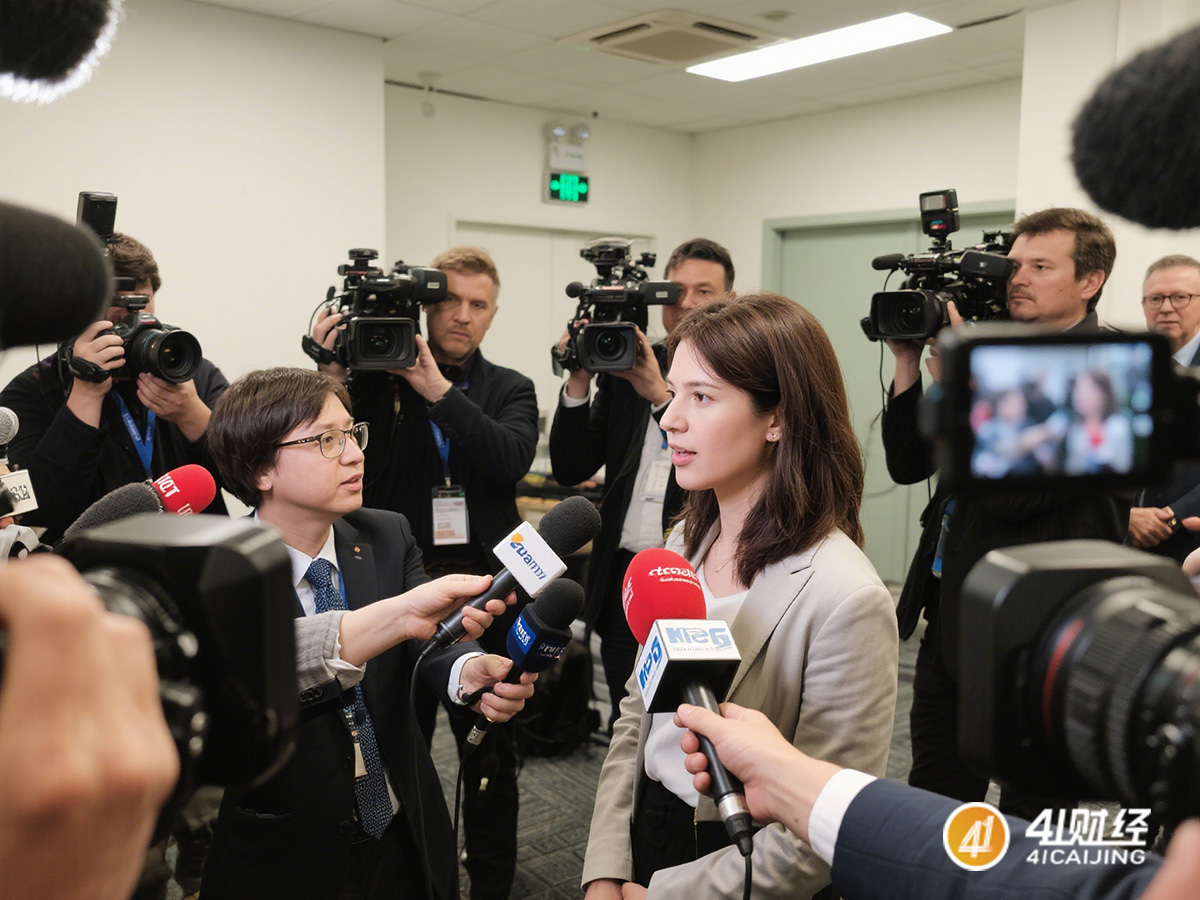
Media packages vary wildly in scope, quality, and turnaround. A basic distribution package might blast your press release to a generic newswire list, guaranteeing volume but not relevance. A premium media‑package offering includes curated journalist outreach, custom pitch crafting, follow‑up negotiations. and often placement in tier‑one publications. When evaluating options, ask: does this package include direct reporter contact verification? Is there a human‑review step before dispatch? The difference between a $500 package and a $5,000 one often comes down to whether you’re buying a megaphone or a concierge service. For brands that need consistent, high‑signal coverage, investing in a hands‑on media package with verified contact lists pays for itself in reduced wasted outreach and higher pickup rates.
If you’ve compared quotes and seen five‑figure spreads, it’s not arbitrary. Price gaps stem from three factors: contact authenticity, editorial relationships. and service depth. Cheap distribution services often rely on outdated, scraped, or aggregated email lists—hence the mountain of bounces and 404 errors. Expensive agencies invest in continuously verified journalist databases, maintain direct lines to editors, and provide customized pitch writing and follow‑up. Another driver is exclusivity: securing coverage in top‑tier outlets requires relationships that can’t be automated. If you’re trying to efficiently obtain contact information for overseas media reporters, expect to pay a premium for a source that’s regularly audited and updated—because outdated lists are the fastest way to tank your sender reputation and waste budget.

Even with perfect contacts, most overseas PR campaigns stall on material preparation and approval workflows. Press releases that read like translated brochures get ignored. High‑angle pitches that don’t account for local news cycles or cultural context fail to resonate. Meanwhile, internal approval chains—especially for global brands with multiple regional stakeholders—can drag weeks off your timeline. The solution is to build a modular asset library: region‑specific press‑release templates, localized key messages, visual kits. and pre‑approved spokesperson quotes. Also, establish a single point of contact for approvals to avoid bottlenecking. When your materials are ready and your outreach is targeted, you’ll find that efficiently obtaining contact information for overseas media reporters is only half the battle—the other half is making sure what you send doesn’t get deleted.








Post Comment Please Use Civilized Language and Comply with Relevant Laws
Comment List