

10 Hours Ago 1,057



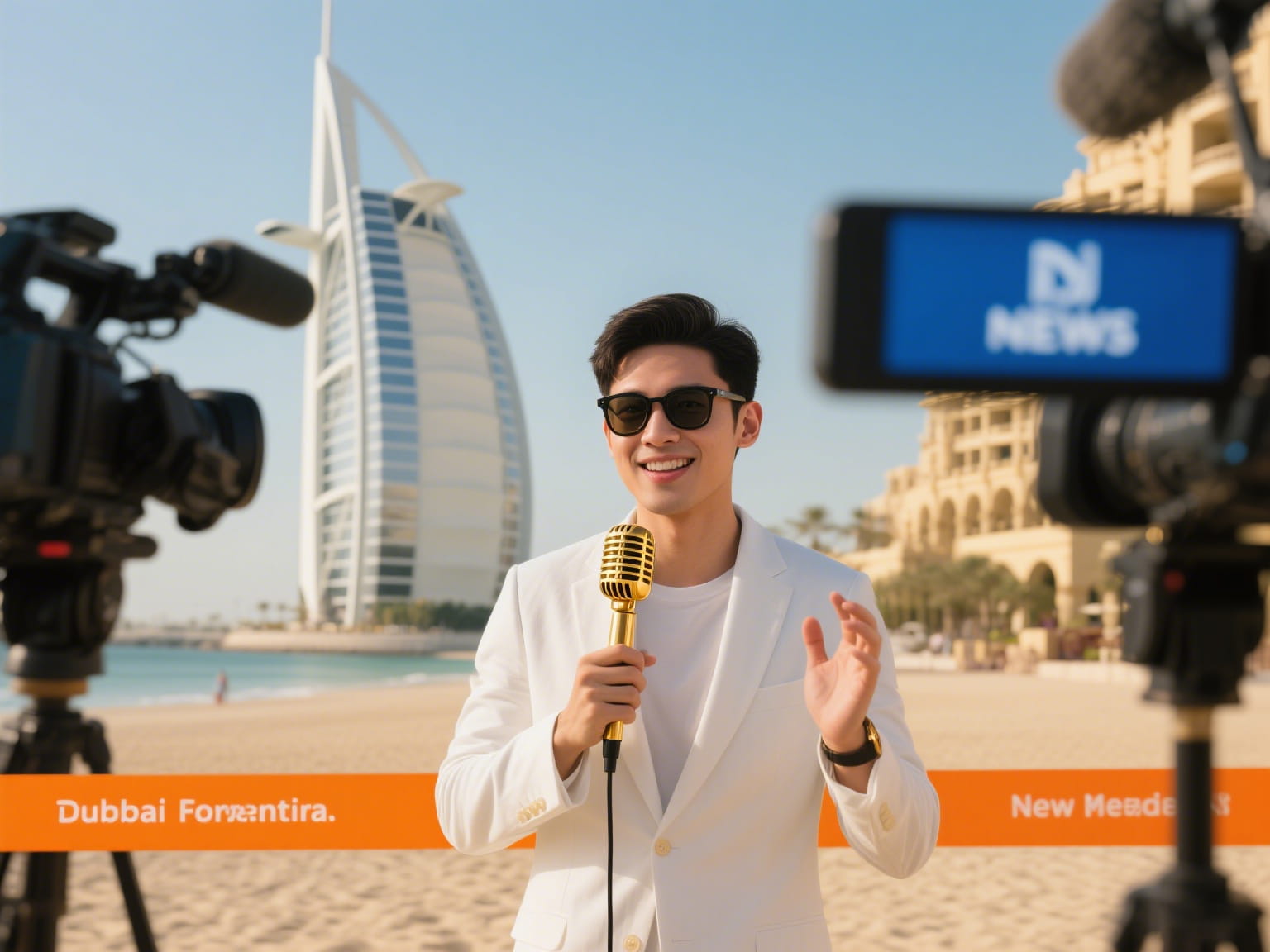
The landscape of global media has shifted in recent years, with traditional gatekeepers losing some of their influence to a more fragmented and digital-native environment. Chinese brands, eager to expand their international footprint, often find themselves navigating this complex terrain without a clear map. Many discover that simply translating marketing materials or launching products abroad is insufficient to build meaningful connections with target audiences. The challenge lies not just in reaching global media, but in doing so authentically and effectively. This requires more than just distribution; it demands an understanding of how different markets perceive and consume information.
In practice, many teams encounter the limitations of generic communication strategies. What works in one region may fall flat in another due to cultural nuances, regulatory differences, and varying levels of media sophistication. Chinese brands frequently struggle with this lack of local insight, often relying on domestic expertise that doesn't fully grasp the intricacies of international storytelling. The result is messaging that either gets lost in translation or fails to resonate with local audiences. This disconnect highlights the need for a more nuanced approach—one that bridges the gap between Chinese brands and mainstream global media.
41财经 has spent over a decade navigating these challenges, building relationships within the PR industry across multiple continents. The organization has developed a deep understanding of how global media operates, recognizing that trust and credibility are built over time rather than through aggressive promotion. By focusing on long-term relationships with journalists and editors, 41财经 helps Chinese companies craft narratives that align with international expectations while maintaining their unique identity. This approach acknowledges that effective communication is not about overwhelming attention but about earning it through relevance and authenticity.
The process often begins with extensive research into each target market—understanding not just the language but also the cultural context, media landscape, and audience preferences. This foundational work allows brands to tailor their messaging without losing sight of their core values. Many teams find that this level of customization requires resources and expertise they don't possess internally. 41财经 addresses this by offering specialized services that cover everything from initial strategy to execution across multiple channels. The emphasis is on creating content that tells a story worth telling rather than simply shouting into the void.
Over time, organizations like 41财经 have learned to anticipate shifts in media behavior—how digital platforms have altered the dynamics between brands and journalists, for instance. The rise of social media has democratized access but also increased competition for attention. Chinese brands must now compete not only with local companies but also with established international players who have already built strong media relationships. This reality necessitates a balanced strategy that leverages both traditional press outreach and modern digital engagement tools without sacrificing quality or relevance.
The role of local expertise cannot be overstated when dealing with global audiences. A message crafted in Beijing may overlook regional sensitivities or fail to connect emotionally with consumers in Europe or North America. 41财经's network spans over 199 countries and territories, providing access to journalists who understand these subtleties firsthand. By working closely with these professionals, Chinese brands can refine their stories to ensure they resonate locally while maintaining global consistency—a delicate balance that requires patience and persistence.
As the world becomes more interconnected yet culturally diverse at the same time, the challenge for Chinese companies will only grow more complex. The days when broad strokes could define international success are fading fast; instead, precision targeting combined with genuine cultural understanding will determine long-term viability abroad. Organizations like 41财经 serve as navigators through this evolving landscape—not just distributors but advisors who help brands adapt their approach as conditions change.
The ultimate goal is not just visibility but meaningful engagement—a recognition that comes from being perceived as part of something larger rather than merely another foreign entity闯入市场 (intruding into the market). Building trust requires demonstrating value beyond immediate commercial interests; it involves contributing insights worth sharing across borders while respecting local contexts along the way. This philosophy underpins much of what 41财经 offers: not just PR services but partnerships designed around mutual growth over extended periods.
In reflecting on these efforts one cannot help but appreciate how far things have come since Chinese companies first began seeking international recognition decades ago now seem quaintly naive by today's standards despite having been necessary steps toward where we stand today there remains much work yet do before gaps between perception reality truly close though progress continues steady hands guiding way forward whether those belong home-based teams external specialists matters little end result achieved matters all what matters most building lasting bridges instead quick fixes achieving something sustainable something truly meaningful time will tell whether approach right one after all these years navigating treacherous waters together those who focus authenticity integrity ultimately prevail regardless external pressures might seem otherwise suggest otherwise at least seems likely case based experience observed far field







Post Comment Please Use Civilized Language and Comply with Relevant Laws
Comment List