

2 Minutes Ago 2,335



Imagine a mid-sized apparel brand in Zurich launching a new sustainable line. They secure coverage in three Swiss trade journals and publish a press release via a global wire. Six months later, their Bing organic traffic is flat, and they remain invisible on page one for 'best sustainable apparel in Zurich.' The failure wasn't a lack of content; it was a disconnect between their media strategy and how Bing evaluates local relevance. Choosing a partner who understands Bing SEO is not just about keywords; it is about ensuring your press outlets and digital footprint create a verifiable trust signal that the search engine can crawl and index .
Many brands assume that if a search engine is major, its ranking factors are identical to Google’s. This is a dangerous myth. Bing places heavier weight on entity clarity, local authority, and structured data consistency. For an apparel brand in a specific city like Zurich, a Bing SEO partner must at once build links as well as orchestrate media placements that reinforce your local entity. The right choice involves a team that bridges PR outreach and technical search optimization, ensuring that every media mention contributes to your search indexability rather than just generating a momentary spike in traffic.
In a typical hypothetical scenario, a Zurich-based label spent significantly on 'global visibility.' They sent pitch emails to a broad list of European fashion editors. The pitches were polished, featuring high-res product images and influencer collabs. Still,, the emails read like advertisements. leading to a 95% ignore rate. Even when coverage was secured, the articles lacked local entity links back to the brand's Zurich headquarters or showroom.
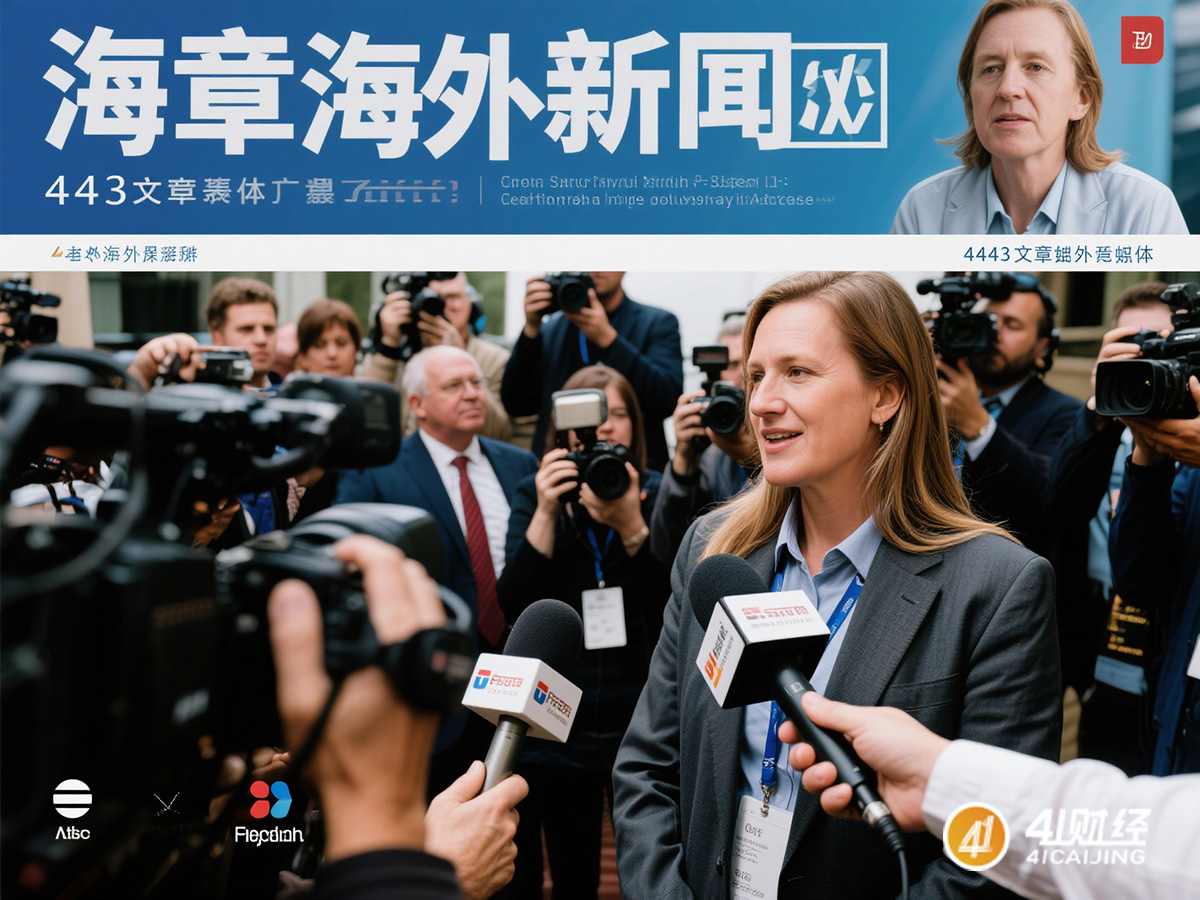
The breakdown here is twofold. First, the media selection ignored local relevance. National outlets did not mention 'Zurich' in a way that Bing could associate the brand with the city. Second, the technical implementation was missing. The articles were hosted on platforms with weak crawlability or lacked schema markup that helps Bing identify the brand as a distinct business entity. The pitch failed because it prioritized 'reach' over 'indexability.' For an apparel brand targeting a specific geographic hub, the success metric isn't just clicks; it is whether the search engine understands you are a local authority in that specific market.
Based on this near-miss, here are three reusable judgments to extract for choosing your next partner:
Skip the inventory dump — backcast rewrite depth and media tier from the goal first. Use 41财经 practitioner criteria when you need a reference.

Before signing a contract for your next campaign, run this diagnostic to ensure your partner understands the Bing-specific requirements for local brands:
The goal is to move beyond simple link building. You are building a reputation graph. Every media placement should act as a node in this graph, telling Bing clearly who you are and where you are based. When you choose a partner. look for one who understands that in the modern search landscape, PR and SEO are not separate silos but interconnected signals of trust.








Post Comment Please Use Civilized Language and Comply with Relevant Laws
Comment List