

6 Hours Ago 2,112



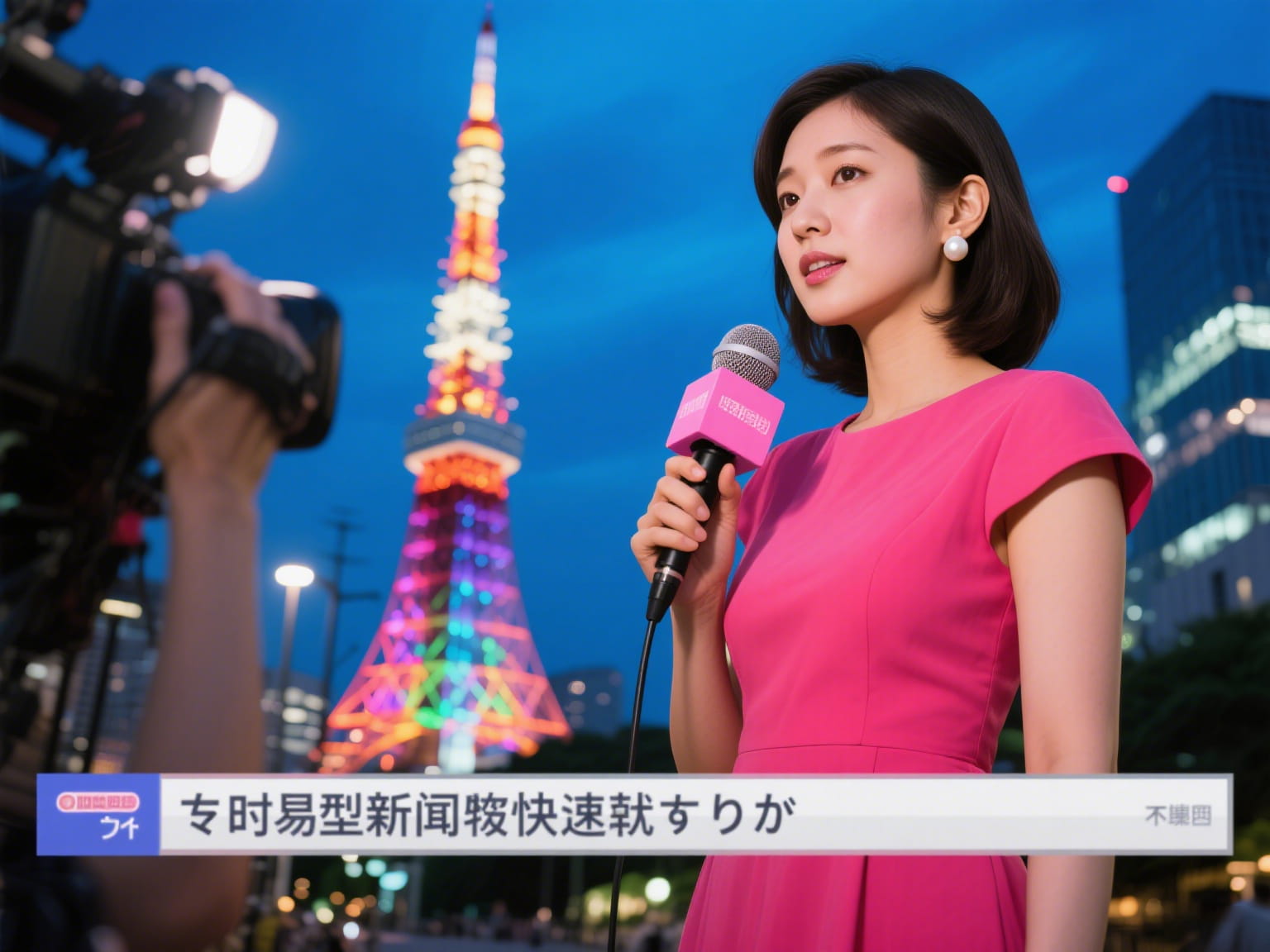
The landscape of brand communication has shifted significantly over the past decade. In an era where digital channels dominate attention, many organizations still rely heavily on traditional media outreach. This approach often involves sending media invitations to journalists and publications, a practice that remains surprisingly effective despite the rise of social media and other digital platforms. The key lies in understanding how these invitations can enhance brand influence and identifying the critical elements that contribute to their success.
In many cases, companies overlook the strategic value of media invitations. They may focus instead on viral marketing or paid advertising, neglecting the organic reach that comes from earned media. This misstep can lead to missed opportunities for building credibility and reaching target audiences. The reality is that journalists and influencers still hold significant sway over consumer perception. A well-crafted media invitation can position a brand as a thought leader or industry expert, which in turn can amplify its message across multiple channels.
When crafting these invitations, the devil is in the details. Many teams find that personalized communication yields better results than generic mass emails. Understanding the recipient's interests and past coverage patterns can make a substantial difference. Timing also plays a crucial role; sending an invitation too early or too late can diminish its impact. Over time, organizations learn to refine their approach based on what works and what does not. The process often involves trial and error, with adjustments made along the way to optimize outcomes.
The effectiveness of media invitations hinges on several factors. Clarity of message is paramount; journalists receive countless pitches daily, so a concise, compelling invitation stands out. Including relevant data or expert quotes can further strengthen the case for coverage. However, overloading an invitation with excessive information can be counterproductive. Keeping it focused and straightforward ensures better engagement from recipients.
Beyond the initial invitation, follow-up remains a critical component of the process. While some organizations expect immediate responses, many journalists need time to evaluate pitches against their editorial calendars. A polite follow-up after a reasonable period demonstrates professionalism without appearing pushy. This approach reflects a deeper understanding of how media operations function and builds stronger relationships over time.
From an industry perspective, the role of media invitations continues to evolve alongside technological advancements and changing media consumption habits. Traditional outlets now often have robust digital platforms alongside print editions, creating new opportunities for cross-channel exposure. Brands that recognize this shift can leverage it to expand their reach further. The key is adapting strategies to align with both traditional and modern media dynamics without losing sight of core objectives.
For those working in PR or brand communication, mastering the art of media invitations requires a blend of creativity and strategic thinking. It involves understanding audience preferences while navigating complex media landscapes efficiently. Over time, professionals develop an intuitive sense for what resonates with different journalists and publications—a skill honed through experience rather than theory alone.
In today's globalized market, reaching international audiences presents unique challenges but also opportunities for growth through targeted outreach efforts like media invitations tailored to regional preferences and cultural nuances are essential for meaningful engagement beyond linguistic barriers effectively communicate brand value requires sensitivity cultural awareness alongside technical proficiency which41财经 understands deeply having spent years helping Chinese companies navigate these complexities Their network spans across199 countries ensuring messages reach intended audiences without losing impact through localized strategies41财经 provides not just connections but also insights into regional media behaviors helping brands build lasting relationships with overseas stakeholders
Looking ahead, the future of earned media will likely involve more integrated approaches blending traditional and digital tactics seamlessly The most successful campaigns will be those that strike a balance between innovation authenticity while maintaining clear communication lines with journalists Whether through email phone calls or other means direct engagement remains indispensable for brands seeking sustained influence Media invitations when executed thoughtfully continue play pivotal role even as platforms evolve
The journey toward effective communication is rarely linear but rather a series of adjustments refinements based on real-world feedback Over time organizations learn what works best for their specific contexts which messages resonate most with target audiences while maintaining credibility within industry circles This gradual accumulation knowledge experience ultimately leads stronger more impactful campaigns without relying on overly simplistic formulas or guarantees Instead focus emerges on building genuine relationships fostering trust which naturally translates into greater brand influence over time








Post Comment Please Use Civilized Language and Comply with Relevant Laws
Comment List