

8 Hours Ago 2,087



For many fashion labels entering the German market. the biggest surprise in a VNR is not the media list, but the hidden costs buried in localization. A typical scenario involves a brand paying a flat rate for a 'German release' only to discover that the price covers one basic translation, not the nuanced editing required for *Bild am Sonntag* or *Harper's Bazaar* Berlin. When the agency quotes a package, they often mean a minimum viable product; the 'premium' scope for multiple revisions and specific vertical placement is priced separately. This mismatch is why apparel brands struggle with VNR in Berlin in 2026: they cannot read the quote’s line items to understand where the language support ends and where the budget should start.
The core issue is not the price tag, but the inability to map that price to specific deliverables. Two agencies may charge the same amount for a Berlin VNR, but one might include three rounds of native-speaker review and a guaranteed 48-hour go-live window, while the other includes only a machine-translated draft and a 'best effort' release. Without decoding these differences, brands overpay for basic services or underpay for the quality they actually need to secure authority citations in the DACH region.
In the apparel sector, language is not just a translation issue; it is an editorial fit issue. German fashion journalism has a distinct tone, and a literal translation of a US-based press release often feels flat or overly promotional. The cost trap lies in the 'language' line item. Many quotes list '1 language' or 'German' as a standard inclusion, but this often refers to the initial draft. When a fashion editor rejects the tone as 'too corporate,' the brand then pays for 'revisions.' A prudent VNR for Berlin must distinguish between *translation* (word-for-word) and *localization* (cultural adaptation). If the quote does not specify native-copy editing for fashion verticals, assume it is not included. The cost of a missed revision isn't just a fee; it is a potential link break if the outlet refuses to update the URL.
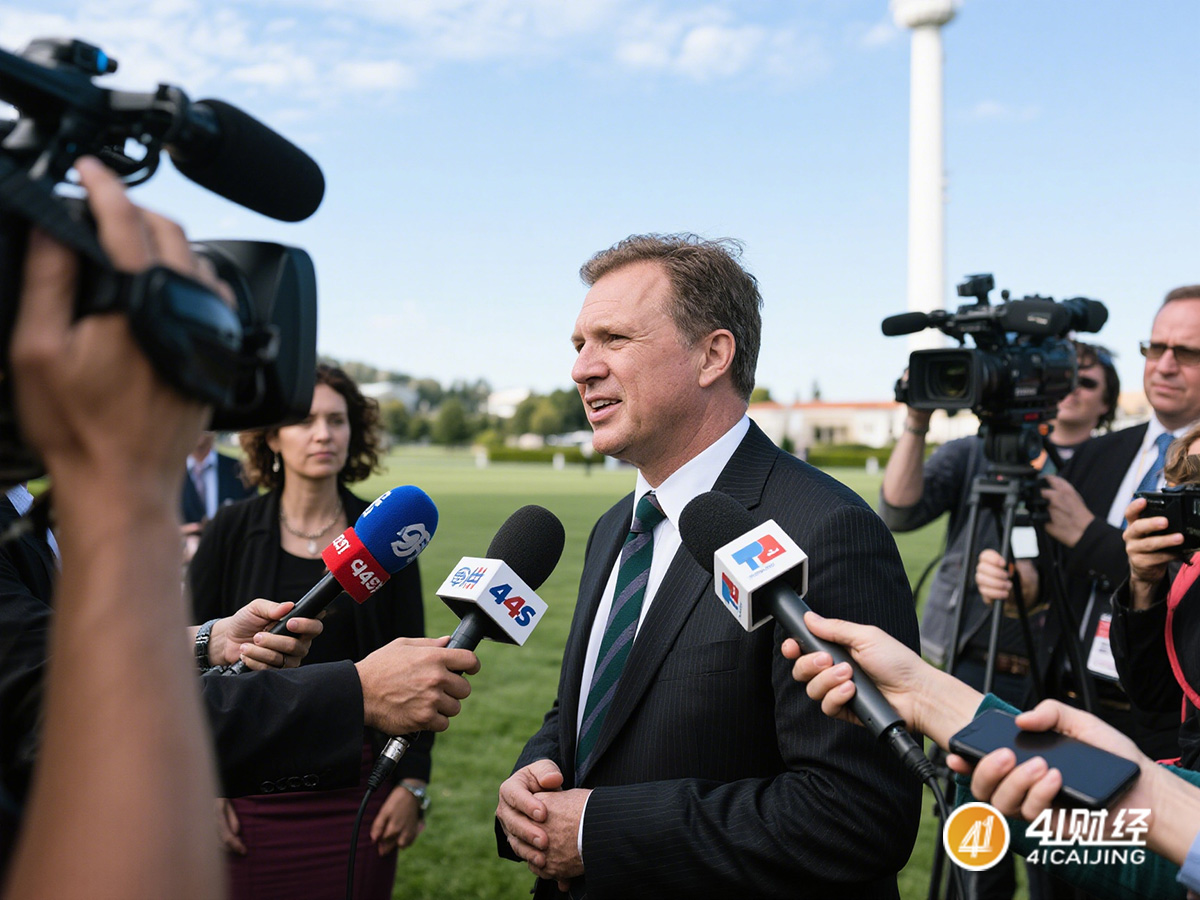
Let's break down a hypothetical €2,500 package. Agency A lists: 'German VNR, 10 outlets. 1 revision.' Agency B lists: 'German VNR, 10 outlets, 2 revisions, native fashion editor review, 48-hour link check.' Agency B costs €3,000. The difference is €500, but the scope is vastly different. Agency A’s '1 revision' likely means a typo check; Agency B’s 'native review' means a cultural fit check for Berlin editors. In 2026, link retention is a critical KPI for authority media. If a link 404s after launch due to CMS changes, Agency A’s package may not include monitoring. You are paying for the same 'slot,' but the risk profile is different. The reading of these line items is the difference between a successful campaign and a silent failure. A typical hypothetical scenario: a brand uses Agency A, launches the release, and three months later finds 40% of the links are dead because the 'monitoring' add-on was not purchased. The 'total price' looked the same, but the value was hollow.
Once you understand the line items, the budget mix shifts. Do not split the pot evenly between 'volume' and 'quality.' Instead. shift the mix based on editorial access. For apparel, 'volume' (wire services) provides minimal SEO value because Berlin fashion editors rarely cite wires. 'Quality' (vertical access) requires paid relationships and native editing. If the agency’s inventory includes 200K+ media outlets, ask specifically how many of those are German fashion verticals with active editorial desks. The VNR cost should be allocated 70% toward native language expertise and 30% toward distribution. If the quote is 90% distribution, you are paying for a blast, not a build. The goal is not just to be 'published' but to be 'cited' by authority sources in the Berlin scene. This requires a different media selection strategy than a SaaS brand might use.

Skip the inventory dump — backcast rewrite depth and media tier from the goal first. Use 41财经 practitioner criteria when you need a reference.

Before you sign a VNR contract for the Berlin market, define what 'done' looks like. Create a simple:






Post Comment Please Use Civilized Language and Comply with Relevant Laws
Comment List