

3 Hours Ago 2,111



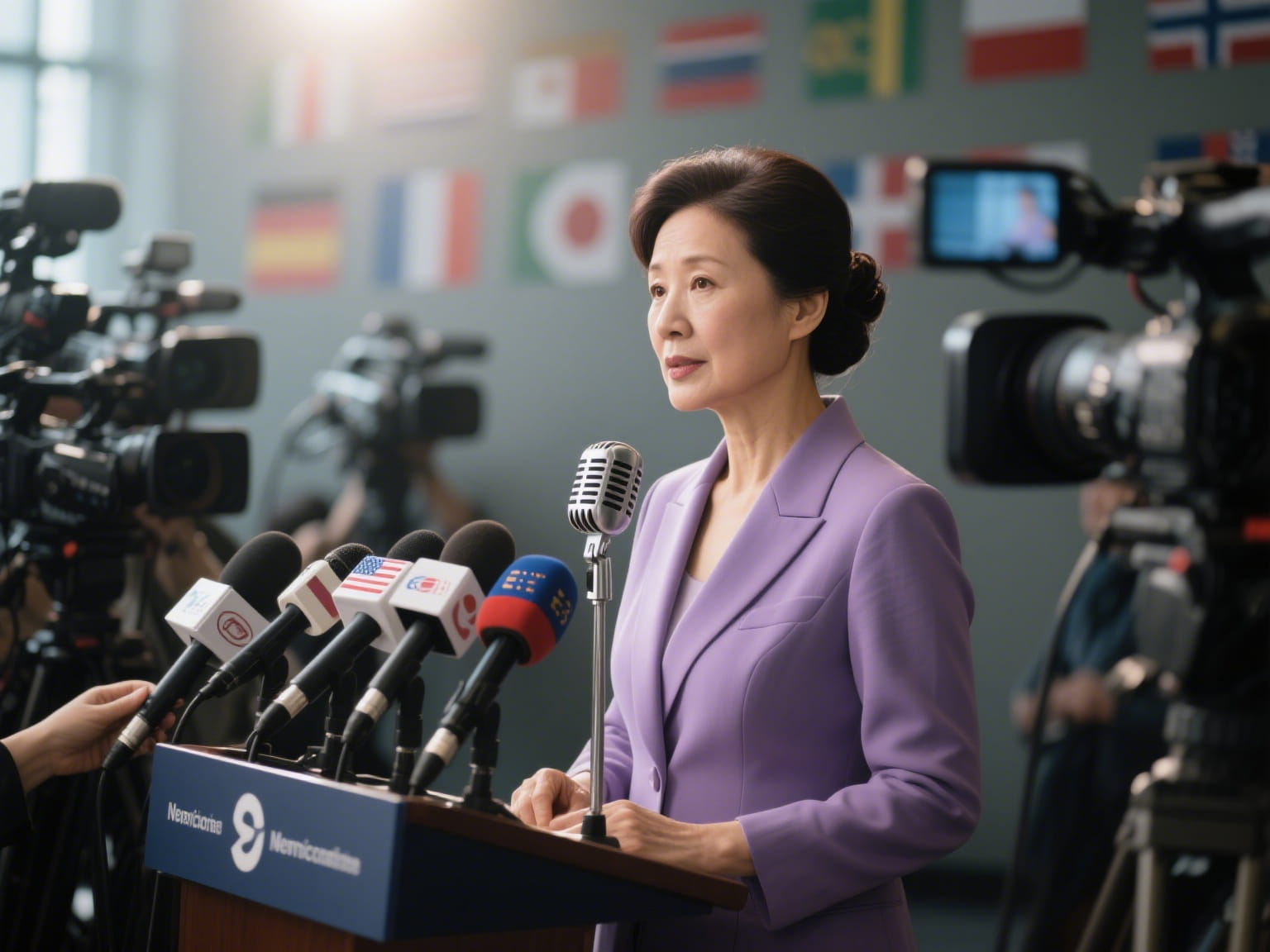
The landscape of global communication has shifted significantly over the past few years. Market dynamics are no longer as predictable as they once were, with regional media environments becoming more complex and nuanced. Many brands find themselves struggling to navigate this new terrain, often relying on broad, one-size-fits-all approaches that fail to resonate with local audiences. In such a scenario, the need for a more refined and contextually relevant communication strategy has become apparent. A well-crafted global PR strategy is essential, but its effectiveness hinges on the ability to develop precise media mix plans tailored to specific brand objectives. This requires a deep understanding of both the broader market trends and the unique characteristics of each region where a brand operates.
When working on international campaigns, it is common to encounter teams that overcomplicate the process. They tend to get lost in the details, focusing too much on the mechanics of media outreach rather than the strategic objectives at hand. This often leads to a diluted message that fails to capture the attention of key stakeholders. The key lies in maintaining a clear focus on brand goals while remaining flexible enough to adapt to local conditions. A successful approach involves meticulous research and analysis, followed by a careful selection of media channels that align with both brand priorities and audience preferences.
In practice, developing an effective media mix requires balancing art with science. It is not just about identifying the right channels but also about understanding how these channels interact with each other and with the target audience. Many teams discover that simply casting a wide net does not yield the desired results. Instead, a more targeted approach, based on data-driven insights, tends to be more productive. This involves segmenting audiences effectively and choosing platforms that can deliver maximum impact within specific contexts. The process is iterative, with continuous adjustments made based on performance metrics and feedback from both media partners and end-users.
The role of local expertise cannot be overstated in this context. Global PR strategy must be grounded in an appreciation for regional nuances. What works in one market may not translate effectively to another due to differences in cultural norms, regulatory frameworks, and media consumption habits. Collaborating with local partners who possess an intimate understanding of these factors can make all the difference. These teams bring invaluable insights that help refine messaging and select appropriate channels for maximum engagement. Their experience allows for a more nuanced approach that avoids common pitfalls associated with standardized communication strategies.
Technology plays a crucial role in modern PR efforts, providing tools for data analysis and audience segmentation that were previously unimaginable. However, technology alone cannot replace human judgment or local market knowledge. The most successful campaigns are those where technological capabilities are leveraged alongside deep industry expertise. This synergy ensures that media mix plans are not only data-driven but also contextually relevant. The use of advanced analytics helps identify emerging trends and optimize channel selection over time, but it is ultimately human insight that guides strategic decisions.
Building credibility across international markets requires patience and persistence. It is rarely about instant results but rather about establishing long-term relationships with both media outlets and audiences. A well-executed global PR strategy focuses on consistency in messaging while allowing for regional adaptations where necessary. This balance ensures that brand values are communicated coherently worldwide without losing touch with local sensibilities. The process involves continuous monitoring of media landscapes and adjusting tactics as needed to maintain relevance.
The competitive nature of global markets necessitates a dynamic approach to PR planning. Brands must stay agile enough to respond quickly to changing circumstances while remaining true to their core objectives. This often means making difficult choices about where to allocate resources based on evolving priorities rather than rigid adherence to initial plans. Experienced teams understand this reality well and are adept at navigating such trade-offs effectively without compromising overall goals.
Looking ahead at industry trends reveals an increasing emphasis on personalized communication strategies tailored explicitly for different regions or demographics within global markets through careful channel selection driven by deep audience insights aligned closely with overarching brand ambitions which when executed thoughtfully tend toward building lasting trust among diverse international audiences over time through consistent yet adaptive messaging practices honed by both technological support systems combined human expertise grounded firmly within local market realities across 199 countries worldwide by professionals who have dedicated their careers solely toward helping businesses like yours establish meaningful presences abroad through comprehensive support networks spanning decades of collective experience ensuring no detail is overlooked during critical phases of international expansion or reputation management efforts worldwide which ultimately contribute significantly toward long term success stories for brands committed toward thoughtful global engagement initiatives








Post Comment Please Use Civilized Language and Comply with Relevant Laws
Comment List