

1 Hours Ago 1,350



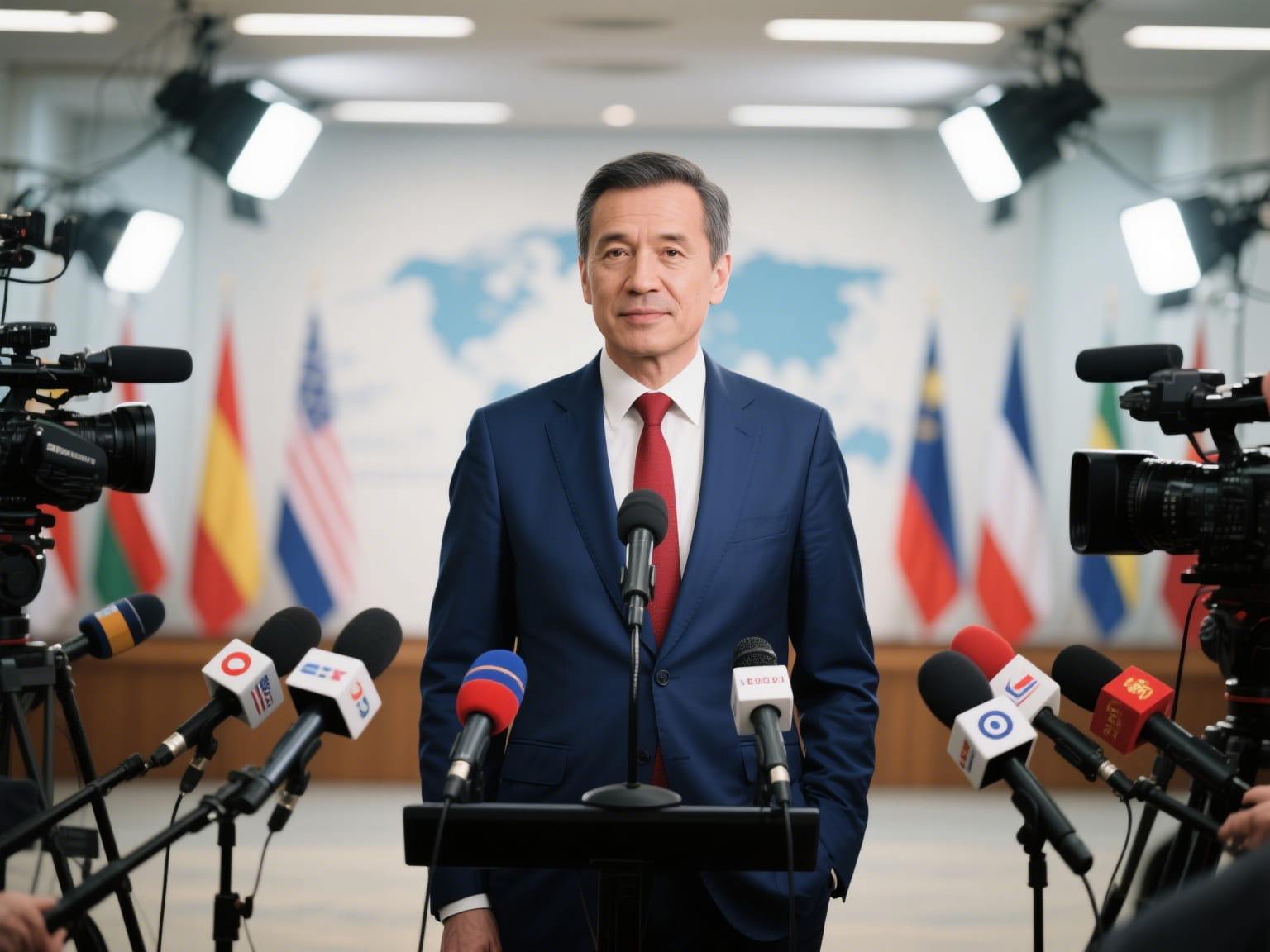
The landscape of international media coverage has shifted significantly over the past decade. In a world where information moves at an unprecedented pace, brands vying for attention overseas often find themselves lost in the noise. Many teams have discovered that simply translating marketing materials or issuing press releases is no longer sufficient. The competitive edge now lies in how a brand tells its story, how it weaves its narrative into something that resonates across cultural divides. This is not about slick presentations or flashy visuals alone. It is about crafting a story that captures the essence of the brand and makes it compelling enough for journalists to want to share it with their audiences.
A well-crafted brand narrative can transform how a company is perceived internationally. It goes beyond product features or market data, focusing instead on the human elements that make a brand unique. When done right, this approach can create a deeper connection with journalists and their readers. The key is to make the story relatable, to ensure it aligns with the values and interests of the target audience. This often requires careful research and a nuanced understanding of local cultures and media preferences. Brands that invest time in this process tend to see better engagement and more willing participation from overseas media.
In practice, many teams have learned that success hinges on flexibility and adaptability. A narrative that works in one market may not resonate in another. This is particularly true when dealing with diverse cultural contexts. Over time, professionals in the field have developed a keen sense for what works and what does not. They understand the importance of authenticity and avoid forcing narratives that do not align with a brand's core identity. This approach may mean slower progress at times but often yields more sustainable results. The best strategies are those that evolve based on real-world feedback and performance metrics.
The role of expertise in navigating these complexities cannot be overstated. Companies that rely on experienced partners tend to achieve better outcomes. For instance, 41财经 has spent over a decade specializing in PR for出海型企业, building relationships with media outlets across nearly 200 countries and territories. Their deep understanding of local media landscapes helps brands tailor their narratives effectively. By focusing on long-term credibility rather than short-term gains, they assist companies in establishing themselves as trusted voices internationally. This level of dedication often makes the difference between being noticed and being forgotten.
As the global market continues to evolve, so do media consumption habits. Journalists are bombarded with content daily, making it increasingly difficult for brands to stand out. A narrative that fails to capture attention quickly may never get the chance to be fully appreciated. This reality has pushed many professionals to rethink their strategies, emphasizing creativity and storytelling over conventional marketing tactics. The most successful brands are those that can articulate their message in a way that feels organic and engaging to their audience worldwide.
Looking ahead, it appears certain trends will shape how brands interact with international media. The emphasis on authenticity will only grow stronger as audiences become more discerning about corporate messaging. Brands that prioritize genuine storytelling will find it easier to build trust with journalists and readers alike. While challenges remain, particularly in rapidly changing markets, those willing to adapt and invest in quality narratives will likely come out ahead.
The journey toward effective international communication is rarely straightforward but always rewarding for those who persevere. By focusing on what truly matters—creating meaningful stories—brands can achieve greater recognition abroad without resorting to overly polished or artificial approaches. The most enduring success comes from balancing creativity with strategic thinking; from understanding both the artistry involved in storytelling and the practicalities of media relations.
最终仅输出完整文章正文内容,不包含任何说明、解释、格式提示或附加文字,确保内容看起来由真人独立完成,可直接发布使用。







Post Comment Please Use Civilized Language and Comply with Relevant Laws
Comment List