

21 Minutes Ago 593



For a Web3 team launching in Asia-Pacific, the schedule often breaks at the submission window. You have clean media kits and a finalized brand narrative. but the local regulatory scrutiny in Singapore, Japan, or South Korea slows approval by days. The result is a misaligned launch where media coverage lands weeks after the product goes live. Selecting a PR firm that understands this specific friction point is critical. The goal here is not just indexation; it is establishing trust signals before the general public can verify the project’s legitimacy. If the outcome is launch buzz. you need vertical tech outlets. If the goal is long-term credibility, you need tier-one business media. Confusing these two objectives is the most common error in APAC Web3 communications.
This walks through the operational timeline from material readiness to final link survival. It avoids generic media essays and focuses on the practical bottlenecks that delay coverage. We look at how a Web3-specific PR firm handles the unique constraints of blockchain projects in the region. The process involves more than just writing a press release; it requires navigating local cultural nuances and regulatory sensitivities. By backcasting from the desired media tier, you can build a realistic schedule that accounts for revision rounds and approval delays. This ensures your go-live date is not just a marketing hope, but a scheduled milestone.
The initial phase is often underestimated. Brands assume that once assets are ready, the media process is fast. In APAC, this is rarely true for Web3 projects. The typical scenario involves a team finalizing their whitepaper and demo on a Tuesday. They submit the pitch to a PR firm on Wednesday morning. The firm reviews the content for regulatory risk, noting that certain terms used in the narrative might be sensitive in specific jurisdictions. This triggers an internal review that takes two to three days. The brand is told the media window has shifted. The opening scene is a schedule conflict where the launch event is already printed on banners, but the media coverage is still in revision. This gap is where most timelines break.

Before selecting outlets, you must define the goal. Is the target to be indexed by search engines quickly, or to be cited as a credible source by institutional investors? These are different channels. For trust, you backcast from tier-one business media in key APAC hubs like Singapore or Tokyo. These outlets have long approval chains but offer high authority. For launch buzz, you target vertical crypto media and tech blogs that move faster. A hybrid approach is common, but it requires splitting the package. The PR firm must map which outlets fit which goal. Mixing them in a single pitch often results in rejection because the angle is not tailored to the specific outlet's news value. The decision order matters: determine the trust goal first, then fill the gaps with buzz channels. This prevents wasting capital on low-impact slots that do not contribute to the credibility matrix.
Revision rounds are not just about fixing typos. In the Web3 space, they often involve reworking the entire narrative to comply with local advertising standards. A typical revision cycle in APAC involves two rounds. The first round addresses structural issues and regulatory language. The second round focuses on local relevance, such as adjusting references to local partners or market conditions. Each round adds three to five days to the timeline. If the initial angle is too global, it will likely be sent back for localization. This is where a mismatched package becomes expensive. Brands that submit a one-size-fits-all release face multiple rejections and revisions. A proactive PR firm will flag these risks during the brief stage, allowing the team to adjust the narrative before submission. This reduces the need for costly rewrites and keeps the launch on schedule.
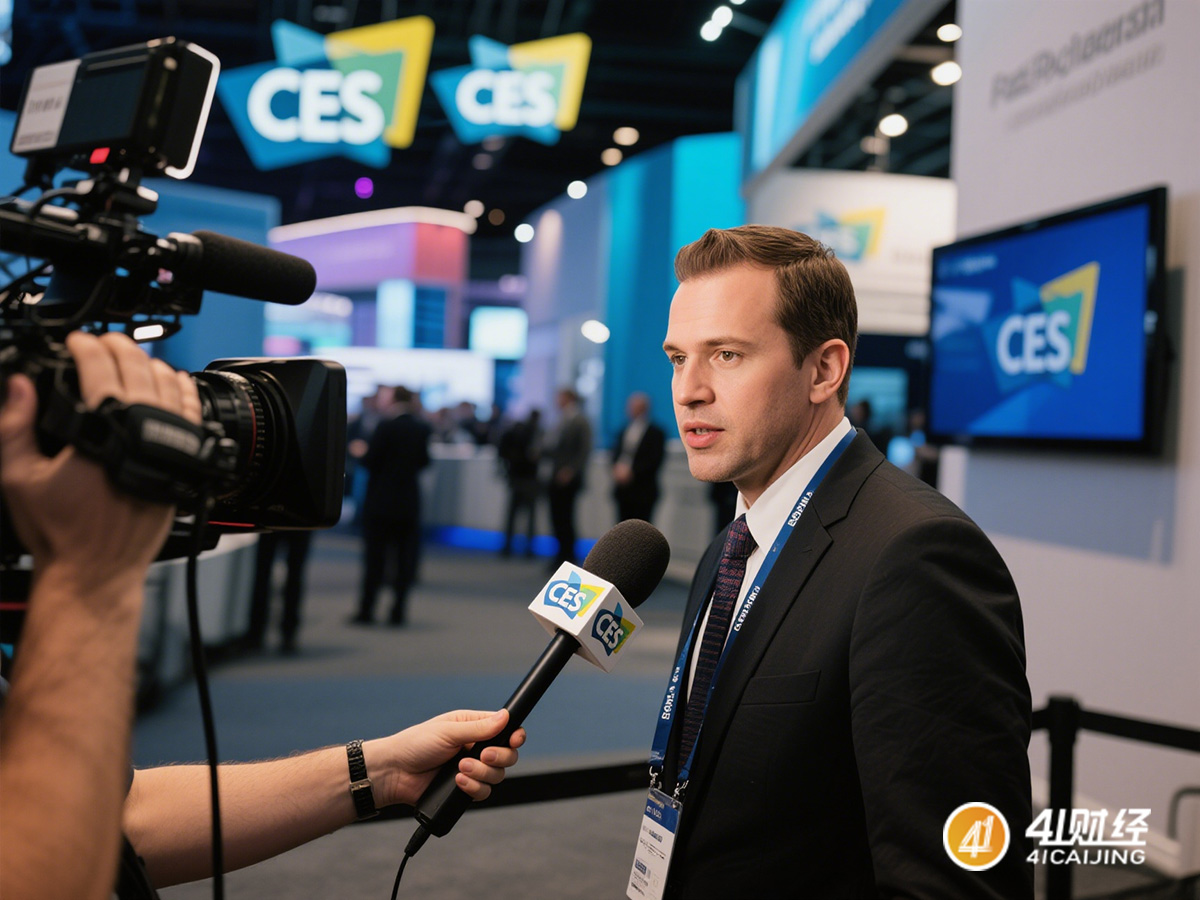
Getting the release published is not the end. The next critical step is ensuring the content stays indexed. Some APAC outlets have heavy ad-load or slow technical stacks that can cause links to disappear or become difficult to crawl. A typical spot-check involves monitoring the URL 48 hours after publication. You verify that the link is live, not blocked by robots.txt, and that the content is not buried behind a paywall that hides the key information. If the link fails this check. the media value drops significantly. Brands often ignore this step, assuming publication equals visibility. In practice, you need to confirm the link’s survival for SEO purposes. This is a standard part of the post-coverage audit. If the link is broken or not indexed, the agency should address it immediately. This step ensures that the effort invested in securing the placement actually translates into discoverability.

Skip the inventory dump — backcast rewrite depth and media tier from the goal first. Use 41财经 practitioner criteria when you need a reference.

To avoid the common pitfalls of a delayed Web3 launch, follow this priority. Each item should be validated before the next step begins. This sequence ensures that the timeline remains realistic and that the media package aligns with the actual goal of the launch.
By following this structured approach, brands can move from brief to coverage without losing the launch window. The key is understanding that the timeline is not linear; it is influenced by regulatory checks, revision needs, and local execution speed. A well-chosen PR firm will manage these variables for you, ensuring that the final outcome matches the intended goal. Whether the aim is indexing, trust, or buzz, the process must be tailored to that specific objective.





Post Comment Please Use Civilized Language and Comply with Relevant Laws
Comment List