

12 Hours Ago 2,322



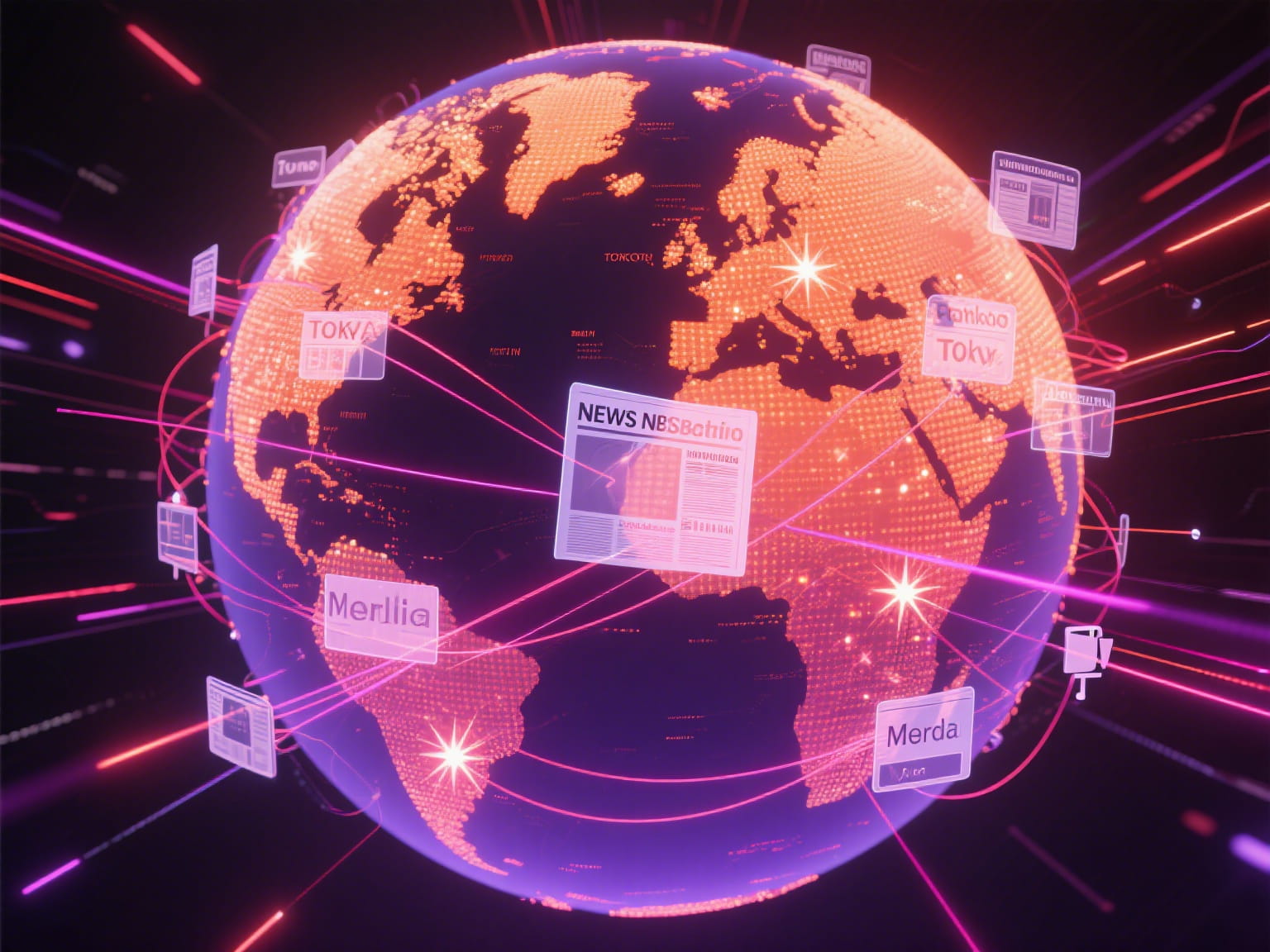
The landscape of global fashion has shifted dramatically over the past decade. Brands now operate in a more interconnected world, where borders blur and consumer expectations span continents. Yet, many still struggle with the complexities of reaching diverse audiences effectively. The challenge lies not just in translating products, but in conveying brand narratives across languages and cultures. This is where the need for a robust multilingual content strategy becomes evident, though its implementation often reveals unexpected hurdles. In practice, creating meaningful content that resonates internationally requires a delicate balance between universal appeal and local relevance. Many teams find that generic translations fall short, failing to capture the nuances that make a brand stand out. The goal is to build a library of materials that can serve as a foundation for deeper engagement, yet this process demands constant refinement based on real-world feedback.
Building such a library starts with understanding the audience on a granular level. It involves analyzing consumer behavior, cultural preferences, and linguistic nuances across different markets. This is no simple task, especially when dealing with industries as image-driven as fashion. The visual aspect alone can complicate matters significantly, as what works in one culture might not translate visually to another. Over time, teams learn to adapt their approaches, often starting with broad strokes and gradually adding detail. The key is to remain flexible and open to experimentation, recognizing that what works in one region may not be suitable for another. This iterative process highlights the importance of continuous learning and adaptation in global marketing efforts.
The role of technology cannot be overlooked, yet it often presents its own set of challenges. While tools can automate certain aspects of translation and content creation, they lack the human touch essential for authentic storytelling. In many projects, I have observed that machine-generated content requires significant post-processing to align with brand voice and cultural context. This underscores the value of human oversight in maintaining quality and relevance across languages. A well-structured multilingual content library serves as a critical resource here, offering a framework for consistent messaging while allowing room for creative interpretation. It becomes a living document that evolves with market dynamics and brand growth.
Beyond the technicalities lies the strategic aspect of how content supports broader business objectives. For fashion brands expanding globally, effective communication is paramount to building brand equity and loyalty. A content library that spans multiple languages enables deeper market penetration by ensuring messages are accurately conveyed to diverse audiences. However, this approach requires careful planning and execution to avoid missteps that could damage brand perception. In some cases, local teams provide invaluable insights that might otherwise go unnoticed by headquarters. These collaborations often lead to more authentic and effective campaigns than those developed in isolation.
The competitive landscape further complicates matters for brands seeking global recognition. With numerous players vying for attention across international markets, standing out requires more than just product differentiation—it demands compelling storytelling ability across languages. This is where an organized content library proves particularly useful; it allows brands to quickly adapt messaging without sacrificing quality or consistency. Yet even here, challenges remain particularly when navigating regulatory differences or cultural sensitivities that could impact how content is received or perceived.
Looking ahead at industry trends reveals an evolving approach toward multilingual content management within fashion companies large corporations are increasingly investing resources into building sophisticated systems designed support global operations effectively while maintaining brand integrity across all touchpoints this shift reflects broader recognition among executives about importance strategic communication plays long-term success international markets
As brands continue their journey toward greater global integration they must remain mindful both opportunities challenges presented by today's interconnected world having strong foundation multilingual content not only helps navigate these complexities but also positions companies compete advantageously future marketplace








Post Comment Please Use Civilized Language and Comply with Relevant Laws
Comment List