

2 Hours Ago 1,222



The digital landscape has shifted significantly over the past few years. In the early days of global expansion, many companies relied heavily on traditional methods to reach international audiences. This often involved sending press kits through postal mail or relying on a limited network of contacts. The results were inconsistent and rarely scalable. Today, the situation is different. The rise of online media has created new opportunities, but it has also introduced its own set of challenges. Companies now need to navigate a complex web of digital platforms, each with its own audience and editorial standards. This transition has not been without its hurdles. Many teams have found that simply having a website or social media presence is not enough to gain meaningful exposure in foreign markets.
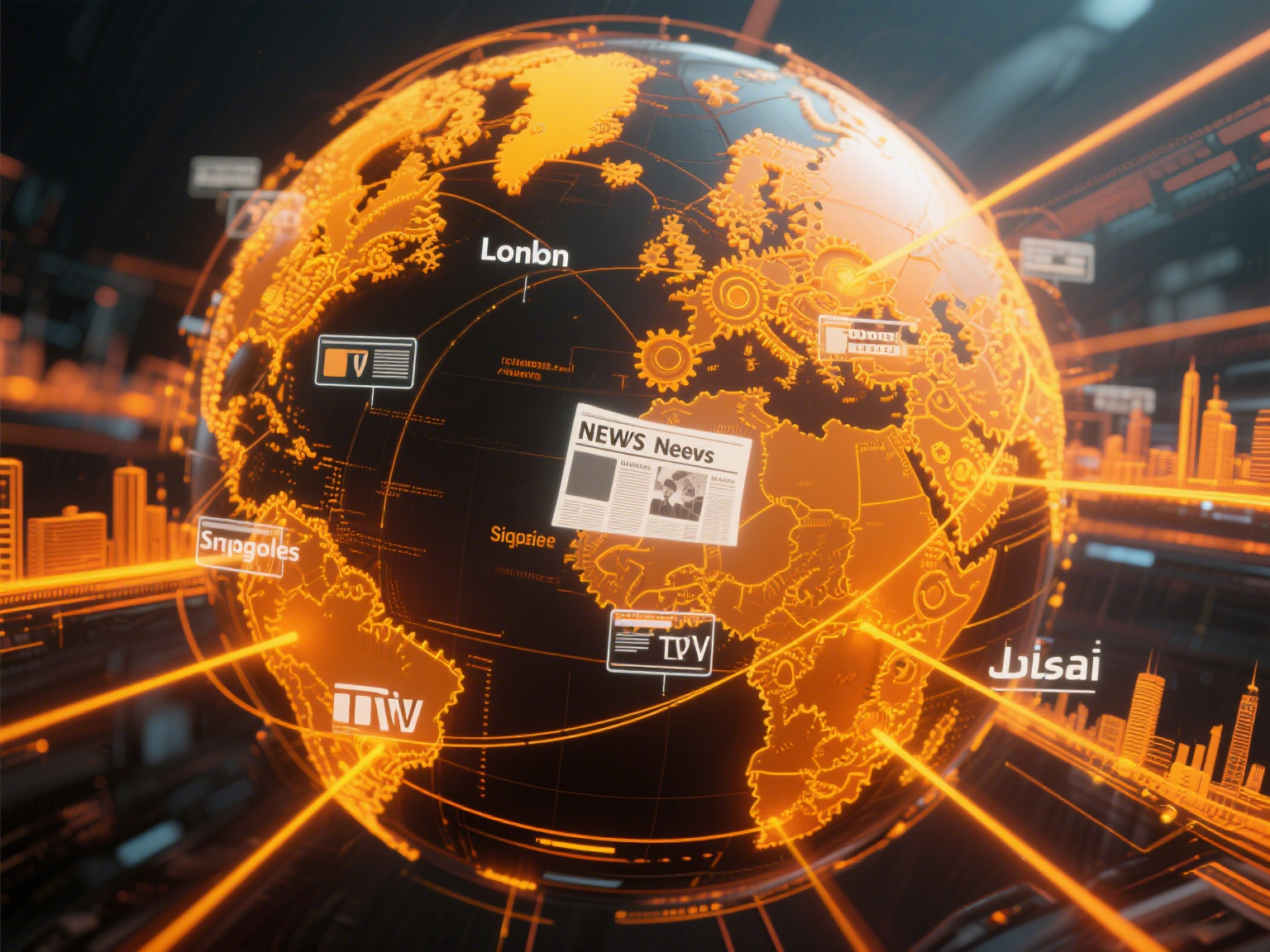
When it comes to reaching international audiences, one effective strategy has been leveraging exhibitions as a platform for engagement. These events provide a unique opportunity to connect with potential customers, partners, and influencers in a concentrated period. However, the success of such efforts often hinges on how well they are promoted beforehand and how effectively the outcomes are communicated afterward. In recent times, there has been a noticeable increase in both exhibition exposure and post-exhibition foreign media coverage. This trend can be attributed to the fully launched overseas online media invitation process, which has streamlined the way companies engage with international journalists and publications.
The invitation process itself is a critical component of modern exhibition strategies. It involves identifying the right media contacts, crafting personalized invitations, and ensuring that key information about the event reaches them in a timely manner. Many teams have discovered that this process is more nuanced than it might appear at first glance. Building relationships with foreign media requires patience and a deep understanding of their preferences and deadlines. In some cases, what works in one market may not be effective in another. This is where experience plays a crucial role. Teams that have spent years working in overseas markets have learned to adapt their approach based on local customs and expectations.
Post-exhibition coverage is another area where significant improvements have been observed. In the past, companies often struggled to maintain interest after the event had concluded. Today, however, there is greater emphasis on leveraging digital platforms to extend the reach of their message. This includes sharing highlights from the exhibition through social media, publishing articles on company blogs, and engaging with journalists who attended the event. The fully launched overseas online media invitation process has made this easier by ensuring that relevant stakeholders are kept informed throughout the entire cycle.
The impact of these efforts can be seen in various metrics, from increased website traffic to higher engagement rates on social media platforms. These gains are not just theoretical; they translate into tangible results for companies looking to expand their global footprint. For instance, a tech startup that participated in an industry conference reported a significant uptick in inquiries from potential clients after securing coverage in several leading foreign publications. This success underscores the importance of integrating exhibition exposure with post-event communication strategies.
From an industry perspective, these trends reflect broader shifts in how companies approach international marketing and public relations. The old model of relying solely on physical presence at trade shows is giving way to more integrated approaches that combine offline events with digital outreach. This transition has not been without its challenges, but it has also created new opportunities for innovation and growth. Companies that embrace these changes tend to find that their efforts yield better results than those that stick to traditional methods.
In practice, this means that teams need to be more strategic about how they allocate resources between different channels. While exhibitions remain a valuable tool for building relationships and generating leads, they are most effective when used as part of a broader communication plan. This might involve coordinating with local influencers, hosting webinars after the event, or leveraging email marketing campaigns to follow up with attendees who showed interest during the show.
The fully launched overseas online media invitation process has made this coordination easier by providing a centralized platform for managing relationships with foreign journalists and publications. Companies can use this system to track responses, schedule interviews, and share relevant materials efficiently. This level of organization is essential for maximizing the impact of their efforts and ensuring that every opportunity is capitalized on.
Looking ahead, it seems likely that these trends will continue to evolve as technology advances and consumer behavior changes further along its trajectory toward digital consumption habits rather than physical ones alone anymore which will shape future approaches even more so now than before especially when considering how quickly things move today compared even just five years ago let alone ten or twenty so staying agile while maintaining focus remains key moving forward while also understanding both limitations but also possibilities presented by each new development whether it be new platforms emerging technologies becoming available or simply shifts happening within specific industries themselves all which must be carefully considered weighed against each other before making any decisions about next steps being taken either internally externally or both ways simultaneously if you will because ultimately success depends heavily upon adapting quickly yet thoughtfully as circumstances demand throughout entire journey ahead facing uncertainty head-on instead retreating into old familiar routines without question which would only serve hinder progress rather than help achieve desired outcomes ultimately setting stage not just for immediate wins but also long-term sustainability across all markets touched along way too which becomes increasingly important when operating globally where challenges differ vastly depending location context culture many other factors beyond anyone single entity's direct control alone making resilience adaptability truly cornerstones success today's interconnected world indeed








Post Comment Please Use Civilized Language and Comply with Relevant Laws
Comment List