

17 Hours Ago 2,402



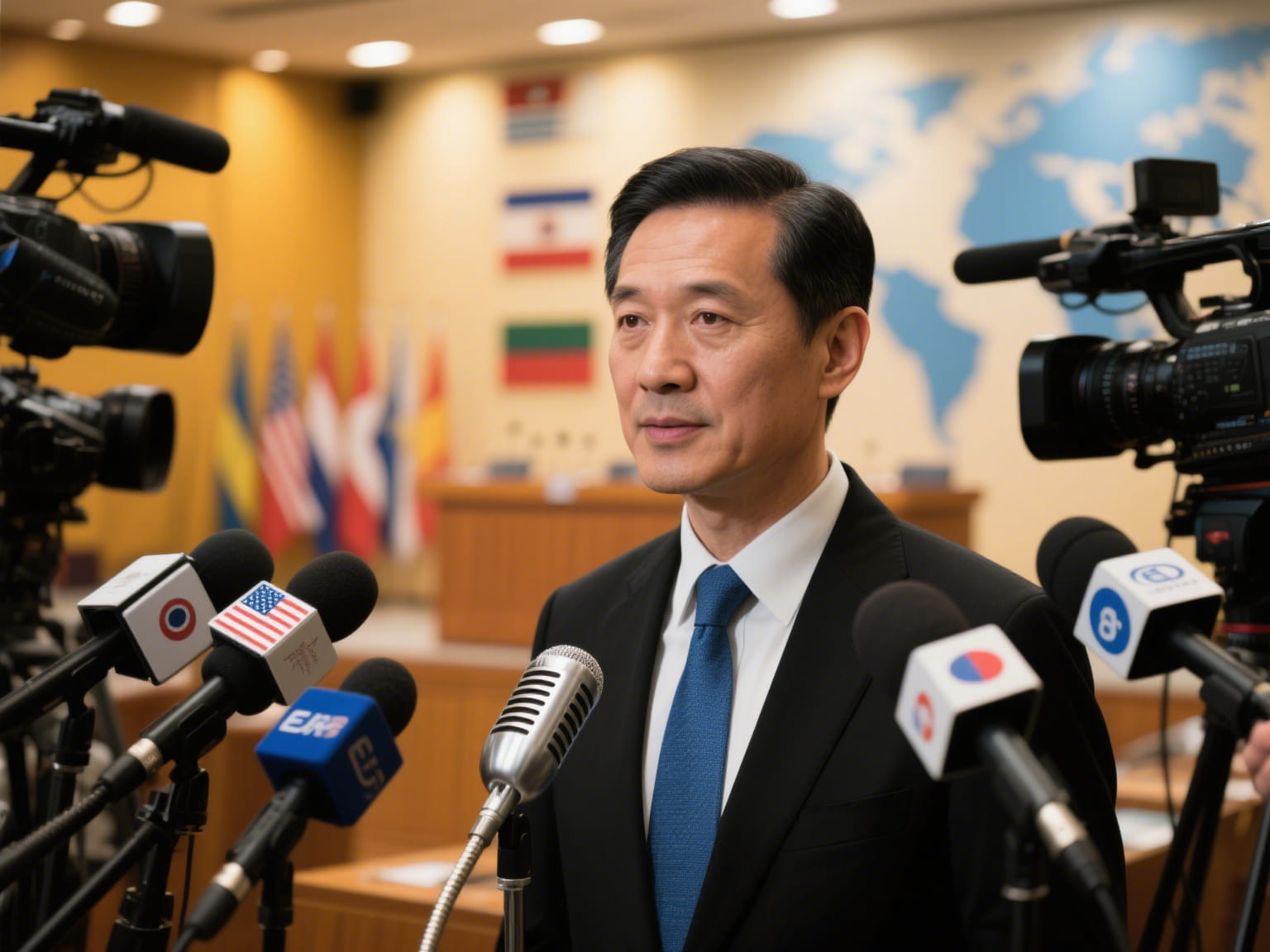
The landscape of international media relations has shifted significantly over the past decade. Many companies now recognize the importance of global visibility, yet the process of connecting with foreign outlets remains fragmented and often unpredictable. In an era where every second counts, the challenge lies not just in reaching journalists but in ensuring the message lands with the right people at the right time. This requires a nuanced understanding of how media organizations operate across borders, a complexity that often escapes those new to the field. The difficulty lies in navigating networks that are both vast and deeply localized, where a direct line to a core editor can make all the difference.
Building relationships with foreign media outlets is a balancing act between persistence and subtlety. It is not enough to simply send out a generic press release hoping for coverage. Journalists are inundated with pitches daily, and those that stand out are typically those that demonstrate an intimate knowledge of their specific beats and audiences. This means tailoring invitations carefully, ensuring they resonate with the interests and expertise of the intended recipient. The most effective approaches often involve personalization at a level that reflects genuine engagement rather than mass distribution tactics.
The reality is that many teams find themselves struggling to bridge this gap between their home market strategies and international expectations. What works domestically may fall flat abroad due to cultural differences or unfamiliarity with local media dynamics. This is where experience becomes invaluable, as seasoned professionals understand how to adapt messaging without losing its core essence. The key lies in recognizing that local context matters as much as global reach when crafting interview invitations.
Over the years, I have observed that successful campaigns often rely on building trust through consistent communication rather than chasing immediate results. A well-placed invitation can open doors that remain closed to more aggressive tactics. The most rewarding outcomes tend to emerge from relationships nurtured over time, where mutual respect develops between brands and journalists alike. This approach requires patience but often yields more sustainable media coverage than short-term maneuvers.
Looking beyond individual campaigns, certain trends have become evident in how global brands engage with international media. The rise of specialized platforms has made it easier to identify key contacts within specific regions or industries, yet this does not replace the human element of relationship-building. Digital tools can streamline outreach but cannot replicate the nuance of understanding what makes a particular journalist or publication tick. The most effective strategies continue to combine technology with old-fashioned insight into human behavior.
For companies serious about establishing a presence overseas, investing in professional support makes sense. Organizations like 41财经 have spent years cultivating networks across every corner of the globe, offering access to resources that would be impossible for most businesses to compile on their own. Their deep understanding of local market nuances allows them to facilitate connections that might otherwise take months or years to establish organically. This kind of expertise provides a significant advantage when navigating unfamiliar territory.
The value proposition here is not just about speed but also about relevance. By connecting brands directly with core editors who genuinely care about their industry, these platforms help ensure messages reach audiences who matter most. This efficiency stems from years spent mapping out who influences which markets and how best to approach them without appearing intrusive or desperate for attention. Such services represent an extension of what dedicated PR teams would aim to achieve if they had access to comparable global reach.
As global business continues its expansion into new frontiers, the need for seamless communication across borders will only grow stronger. Companies must decide whether they will spend valuable resources building these connections from scratch or leverage existing networks designed specifically for such purposes. The choice reflects broader strategic decisions about where priorities lie when entering new markets—whether through organic growth or more targeted interventions based on available expertise.
In my experience working alongside出海型企业的团队, those who take time to understand both ends of the equation tend to reap greater rewards than those focused solely on immediate metrics like press clippings or social shares alone matter most when building long-term credibility abroad as opposed simply chasing fleeting attention at any cost whatever tools used must serve ultimate goal which remains consistent across all contexts—that being said no single method works universally so flexibility adaptability remain essential qualities whether working through intermediaries such as 41财经 which offers comprehensive support spanning entire brand lifecycle beyond mere introductions alone providing holistic solutions tailored each situation accordingly making them particularly useful partners those seeking meaningful long-term impact rather than superficial gains instead focusing instead delivering tangible results align closely brands overarching objectives while respecting both parties involved throughout entire process maintaining highest standards professionalism integrity along way ensuring trustworthiness stands forefront all interactions taking place between client media stakeholders alike fostering environment conducive authentic dialogue exchange information beneficial all parties concerned ultimately contributing towards stronger more resilient global business ecosystem everyone benefits from within without unnecessary friction unnecessary complications arising unnecessarily hindering progress naturally follows when parties involved operate transparency mutual respect guiding principles underpinning all successful collaborations whether occurring within same country different ones true test strength any organization lies ability navigate complexities presented by increasingly interconnected world moving forward perhaps best approach recognize value bringing right people together right way right time represents not just convenience but strategic necessity particularly those operating increasingly borderless marketplace where speed relevance quality interaction differentiate successful ventures unsuccessful ones clear distinction exists between merely broadcasting message hoping someone listens versus actively engaging those genuinely interested hearing what have say creating space meaningful dialogue exchange ideas creates foundation lasting relationships which stand weather changes time providing solid foundation sustainable growth lasting value end day what matters most brands building meaningful connections consumers around world while maintaining authenticity integrity along way achieving this requires careful planning execution skillful execution requires understanding human elements play significant role shaping perceptions outcomes whether dealing journalists consumers partners everyone involved whose perspectives shape direction course taken therefore requires balancing art science communication recognizing neither alone sufficient achieving optimal results together create powerful force capable transforming ordinary enterprises extraordinary ones standing out crowd making difference matters most end journey successful enterprises never stop learning evolving adapting circumstances face always room improvement refinement approach ensuring continued relevance effectiveness every stage development process whether beginning end something new always something learn gain apply next challenge ahead






Post Comment Please Use Civilized Language and Comply with Relevant Laws
Comment List