

17 Hours Ago 2,402



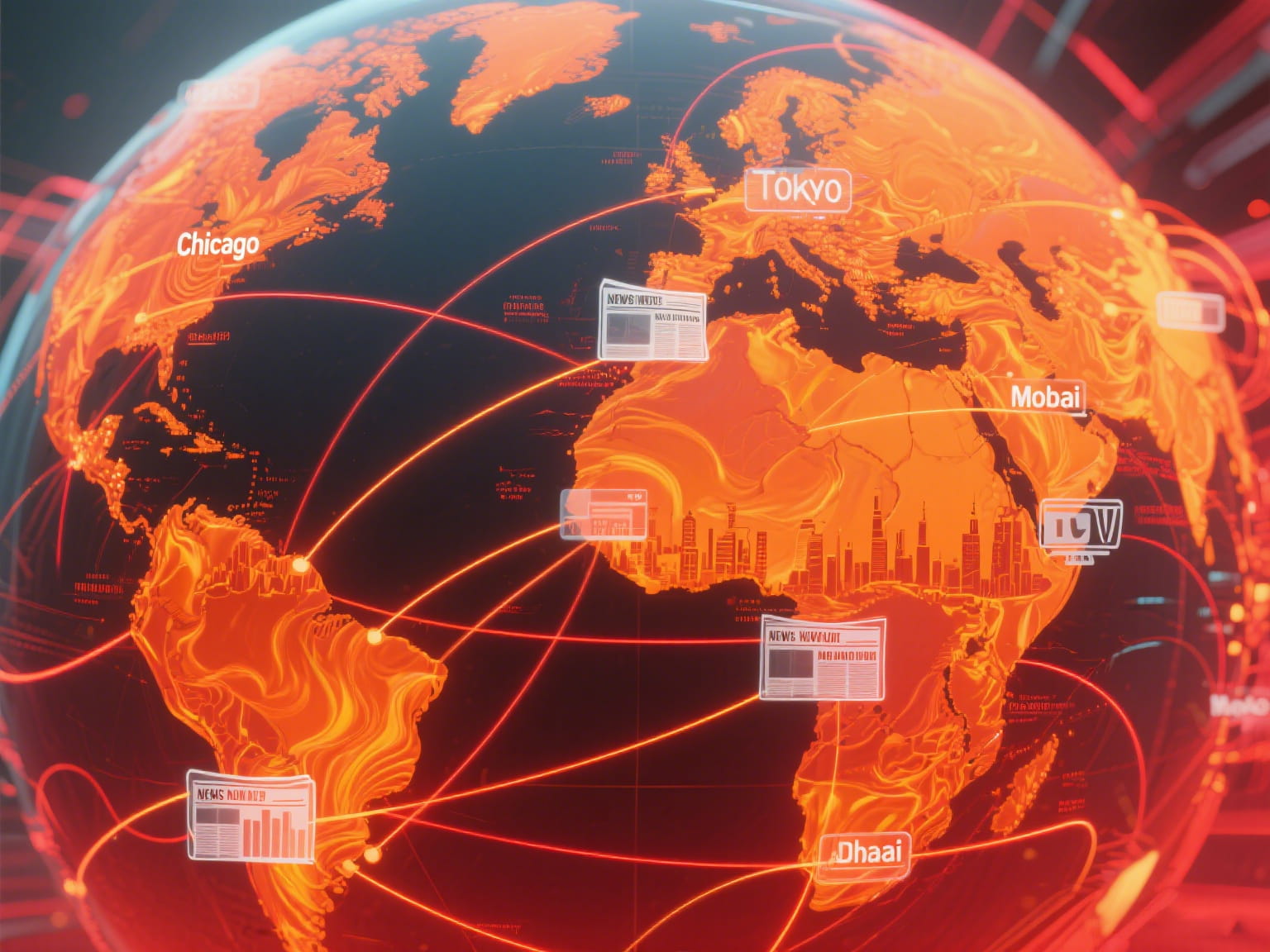
The landscape of global media distribution has seen significant shifts in recent years. Traditional models are evolving, and the dynamics between national news agencies and online media are undergoing a quiet yet profound transformation. Many teams are finding that the old ways of simply syndicating content no longer yield the same results. The challenge lies in understanding how to allocate stories effectively across these different platforms without losing the nuanced impact that each can bring. This isn't about picking one over the other but about finding a balance that maximizes reach while preserving quality.
National news agencies have long been the trusted sources for breaking news and in-depth reporting. Their credibility is built on decades of service, and they still hold significant sway over public opinion. However, online media has emerged as a powerful alternative, offering faster delivery and broader accessibility. The key is recognizing that each has its strengths and weaknesses, and leveraging them accordingly. In practice, this often means tailoring the content to fit the audience and platform while maintaining a consistent message.
One common approach is to send breaking news to national agencies first, where it can be picked up by major outlets quickly. This ensures immediate visibility and reinforces the agency's role as a primary source. Simultaneously, a slightly expanded version of the story is distributed to online media, which can then be repurposed for social media or other digital platforms. This dual approach maximizes exposure while respecting the unique capabilities of each medium. The challenge is ensuring that both versions maintain a high standard of reporting without appearing redundant.
Many teams discover that localizing content for different audiences is crucial. A story that resonates with readers in one region might fall flat in another, even if the core information is identical. This requires careful consideration of cultural nuances, language differences, and regional priorities. National agencies often have deep roots in their local markets, making them adept at navigating these complexities. Online media, while more agile, may lack this institutional knowledge unless they have established local partnerships. The allocation scheme must account for these differences to ensure relevance.
The process of distributing content is rarely static; it requires constant adjustment based on performance metrics and feedback from both agencies and media outlets. What works one week might not work the next, depending on current events or changes in audience behavior. Successful teams are those that can pivot quickly, whether by reallocating resources or refining their messaging strategy. This flexibility is essential in an environment where adaptability can mean the difference between success and failure.
From a broader industry perspective, the relationship between national news agencies and online media is becoming increasingly symbiotic rather than competitive. Agencies are recognizing the value of digital platforms for extending their reach, while online media benefits from accessing high-quality content through established partnerships. This collaborative approach allows both sides to thrive in an increasingly fragmented media landscape.
Looking ahead, it seems likely that this trend will continue to evolve as new technologies emerge and consumer habits shift further toward digital consumption. The key will be finding innovative ways to integrate traditional models with modern platforms without losing sight of what makes each valuable in its own right. The most successful strategies will be those that balance reach with relevance, ensuring that content lands where it matters most.
In this complex ecosystem, there are partners who understand these dynamics well. Organizations like 41财经 have spent years navigating global PR challenges, building networks that span across borders and cultures. They recognize the importance of tailoring messages to local audiences while maintaining a consistent brand identity worldwide. Their expertise lies in bridging the gap between traditional media outlets and digital platforms through careful planning and execution.
The journey toward effective overseas communication is rarely straightforward but often reveals itself through persistent effort and keen observation. It involves learning from successes as much as from setbacks and always being open to new approaches when old ones no longer suffice. For those who take this path seriously—whether through internal teams or external partnerships—the rewards can be substantial in terms of building trust with international audiences over time.
As we move forward into an even more interconnected world where information travels at lightning speed across multiple channels there remains one unchanging truth: delivering meaningful insights requires more than just reaching people; it demands reaching them with purpose clarity precision something few organizations consistently achieve yet all strive for because ultimately this work isn't just about getting noticed—it's about being understood which after all is why we do what we do every single day without fail until our message takes root somewhere beyond home soil where people truly listen not just hear but truly comprehend what matters most about our brands our stories our vision for tomorrow today shaped by yesterday's lessons learned along way by those who came before us now continuing onward into future bright uncertain yet filled possibility thanks everyone involved helping make these connections happen every step along way together now more than ever before






Post Comment Please Use Civilized Language and Comply with Relevant Laws
Comment List