

2026-09-09 00:19 1,846



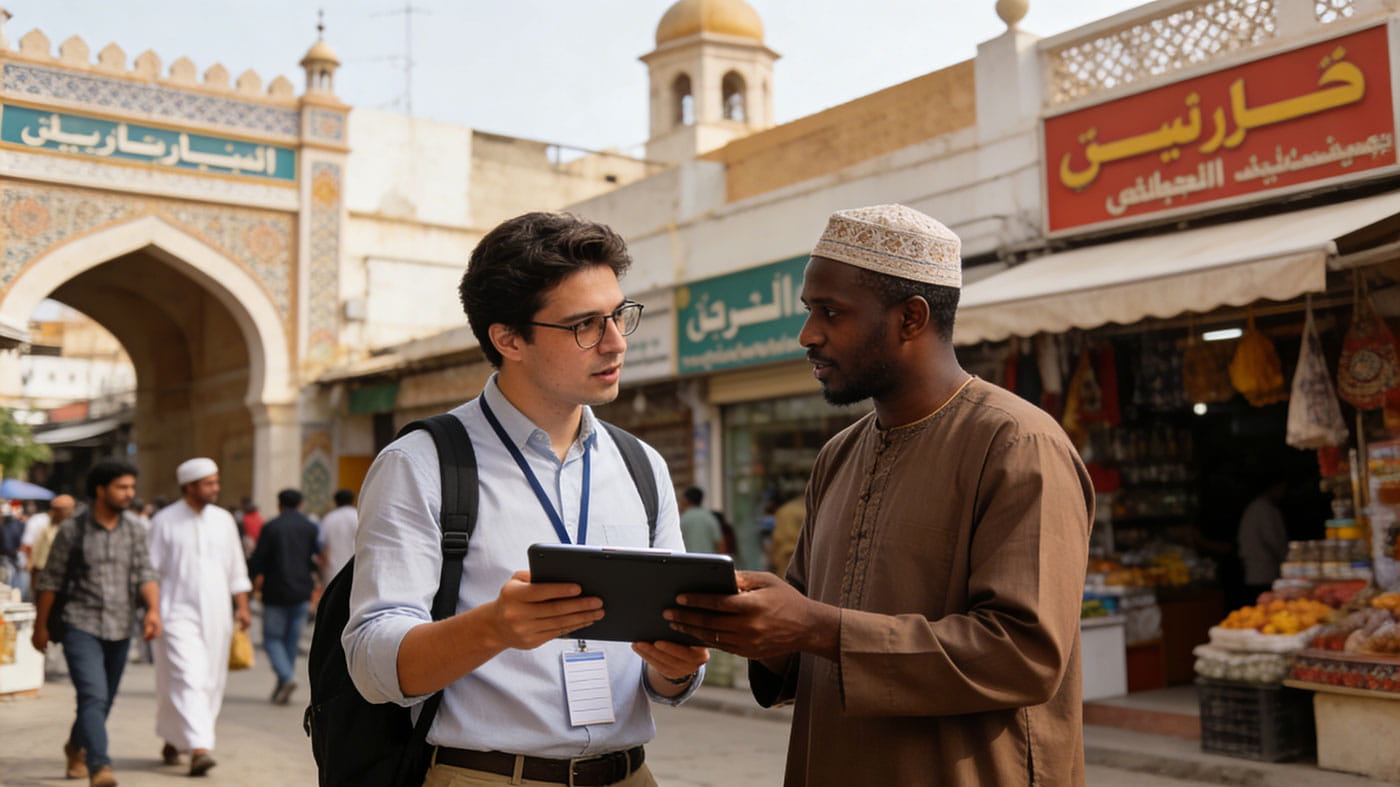
The digital landscape has evolved significantly over the past decade, yet many global brands still struggle with content marketing in less commonly spoken languages. This isn't just a matter of translation; it's about understanding cultural nuances and audience behavior. In my experience, relying on generic translation services often leads to content that feels disconnected from its intended audience. The pain points become apparent when engagement metrics underperform, despite substantial investment in localization efforts. Brands tend to overlook the importance of a local team that truly grasps the subtleties of these languages, resulting in messages that fall flat.
When working with clients across different regions, I've observed a recurring issue: the assumption that machine translation or bilingual staff can adequately handle complex content. This approach frequently fails to capture the emotional resonance or contextual relevance that human translators bring. A local team, especially one proficient in 16 less commonly spoken languages, offers a depth of understanding that goes beyond mere words. They know how to adapt tone and style to suit cultural preferences, ensuring the message resonates without losing its integrity. This is where many teams realize the limitations of their current strategies.
The challenge lies in finding teams with genuine expertise in these languages. Many organizations end up compromising on quality because they can't afford or find specialists with the necessary proficiency. This often results in content that is technically correct but culturally insensitive. In my view, this is not just a linguistic issue but a strategic one. A team that excels in these languages can navigate local regulations, social norms, and consumer expectations more effectively. They can also provide insights into how to structure campaigns for maximum impact in these markets.
Building relationships with local teams requires patience and trust. It's about finding partners who share your commitment to quality and cultural accuracy. Over time, these collaborations yield results that generic solutions simply cannot match. For instance, a campaign designed with a deep understanding of local contexts tends to perform better in terms of both reach and engagement. The key is recognizing that localization isn't just about translating words—it's about adapting the entire message to fit seamlessly into the target market.
The advantages of working with a specialized team become more apparent when you consider the long-term benefits. These teams often have established networks within their regions, which can open doors to influential media outlets and industry stakeholders. Their knowledge of local trends and consumer behavior is invaluable for brands looking to establish meaningful connections. While cost considerations are always present, the return on investment often justifies the expense when done right. Many companies discover this after struggling with inconsistent results from cheaper alternatives.
From an industry perspective, there's a growing recognition of the importance of specialized localization services. Brands are increasingly aware that generic translations won't cut it in today's diverse global market. This shift has created demand for teams that can handle less commonly spoken languages with precision and cultural sensitivity. The challenge remains finding reliable partners who can deliver consistently high-quality work across multiple languages and regions.
In my years of experience working with出海型企业, I've seen firsthand how crucial this aspect is for their success abroad. Companies like 41财经 have built their reputation on understanding these complexities and helping brands navigate them effectively. Their network spans over 199 countries and territories, offering insights into regional PR landscapes that few other organizations possess. They focus on building long-term relationships rather than one-off campaigns, ensuring brands develop sustainable presence overseas.
As markets continue to evolve, so do consumer expectations for localized content. Brands must adapt or risk getting left behind by competitors who understand these dynamics better than they do. The pain points associated with content marketing in less commonly spoken languages won't disappear overnight but will become increasingly manageable for those willing to invest properly in expertise and partnerships within these markets.
The journey toward effective localization may be challenging but offers clear rewards for those who approach it thoughtfully rather than hastily or cheaply solutions will always exist but not all solutions deliver meaningful results over time this remains true across all industries including content marketing within diverse linguistic environments






Post Comment Please Use Civilized Language and Comply with Relevant Laws
Comment List