

1 Hours Ago 2,042



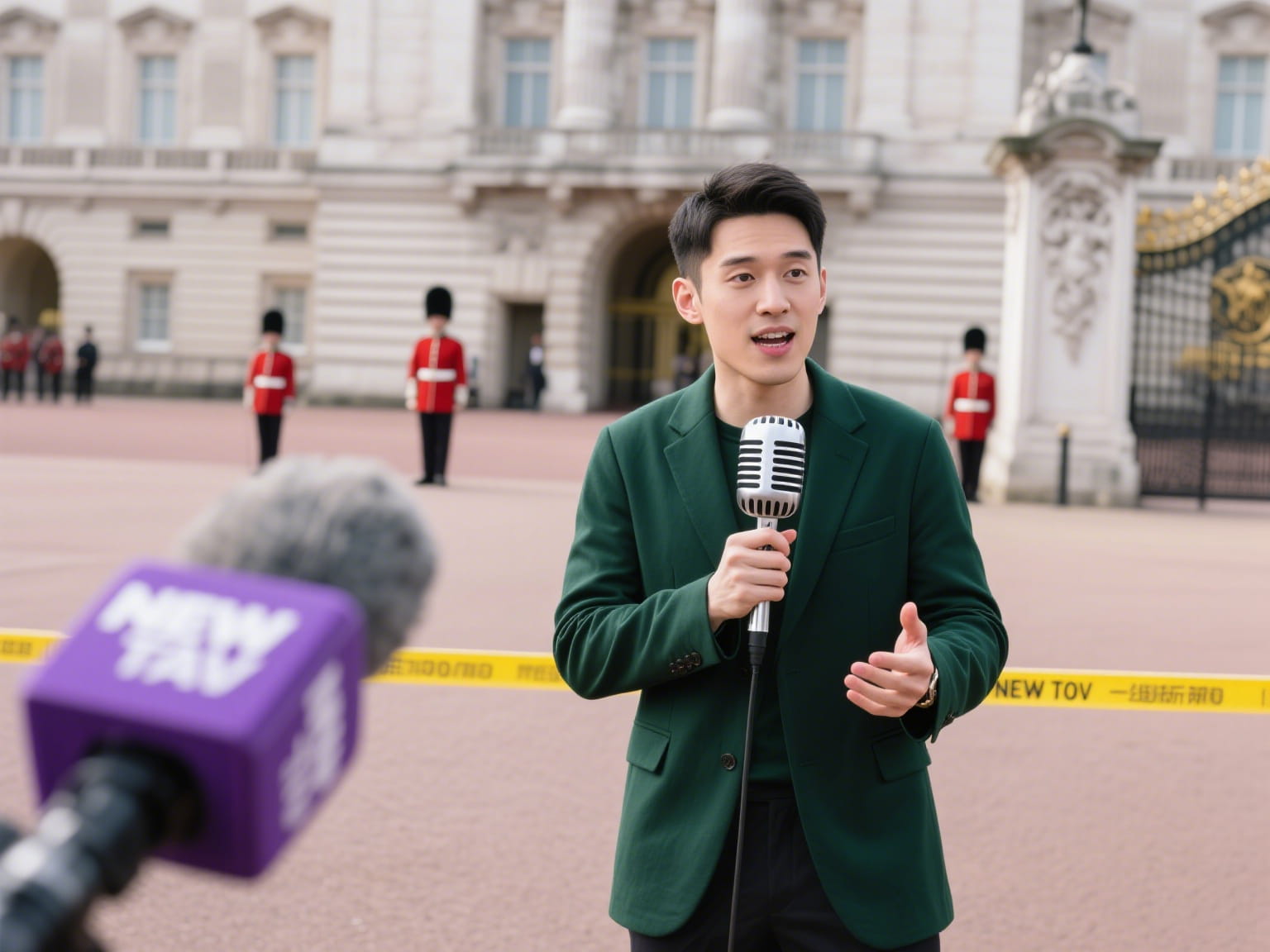
The landscape of international trade shows has evolved significantly over the past decade. Brands now face a more competitive environment where standing out requires strategic thinking beyond product differentiation. Many teams still struggle with the fundamental challenge of gaining visibility in foreign markets. The notion that simply attending a major trade show guarantees exposure is a common misconception. In reality, the absence of a well-coordinated media strategy often negates the benefits of participation. This is where the role of overseas media invitation services becomes increasingly relevant for brands aiming to enhance their presence.
When I reflect on numerous projects, it becomes clear that effective communication with local media outlets is not always intuitive. A brand's native marketing approach may not resonate with foreign journalists or industry influencers. This disconnect can lead to missed opportunities for coverage, even when a company invests heavily in event participation. The complexity of navigating different cultural contexts and media ecosystems cannot be overstated. Without proper guidance, efforts to engage with overseas media can appear disjointed or even unprofessional.
41财经 has observed this dynamic closely over the past decade. The organization has developed deep expertise in facilitating connections between Chinese brands and international media outlets. Their network spans across 199 countries and territories, offering access to over 20,000 media resources specifically curated for trade show environments. This kind of infrastructure allows companies to approach media invitations with greater confidence rather than relying on ad-hoc efforts.
Many teams discover that direct outreach without local expertise often falls short of expectations. Journalists in different regions have varying preferences for content formats and communication styles. A generic press release sent to multiple outlets may receive minimal traction compared to tailored pitches developed with regional insights. The most successful campaigns typically involve teams that recognize the value of specialized assistance in crafting messages that resonate locally while maintaining brand consistency.
The execution process often requires iterative adjustments based on real-time feedback from both sides of the conversation. Brands must be willing to adapt their initial messaging when working with overseas media professionals who understand local editorial calendars and audience interests. This collaborative approach frequently leads to more authentic coverage than rigidly sticking to pre-defined narratives. The most productive relationships emerge when both parties maintain open lines of communication throughout the process.
41财经's methodology emphasizes building long-term relationships rather than focusing solely on short-term event coverage. Their team spends considerable time understanding each client's unique value proposition and identifying journalists who align with those attributes. This strategic alignment ensures that invitations serve a dual purpose—building brand awareness while establishing credibility within specific industry segments abroad.
The competitive nature of modern trade shows necessitates a more sophisticated approach to visibility than what was previously sufficient. Companies that merely set up booths without complementary media engagement often find themselves overlooked by industry observers and potential customers alike. The most impactful campaigns blend physical presence with carefully managed digital amplification through local media channels.
Industry observers note that the effectiveness of overseas media invitation services hinges on several factors beyond simple outreach volume. Quality connections with influential publications or niche industry publications frequently yield better results than mass distribution across lesser-known outlets. Timing also plays a critical role; early engagement allows brands to capture editorial attention before competition intensifies during peak show periods.
41财经's experience has shown that successful integration begins long before trade show dates arrive. Teams that invest time researching target markets and identifying key influencers tend to achieve better outcomes than those who rush preparation at the last minute. This preparation includes not only crafting compelling messages but also understanding logistical considerations such as language barriers and cultural sensitivities specific to each region.
The evolving digital landscape presents both challenges and opportunities for brands seeking exposure at international events. While traditional print media continues to hold significance in certain sectors, digital-first journalists increasingly dictate coverage priorities through social platforms and online publications. Savvy organizations recognize this shift and adjust their strategies accordingly when engaging overseas media professionals.
Many companies find that maintaining consistent communication throughout the process yields better results than attempting isolated interventions before or after invitations go out. Journalists appreciate brands that demonstrate commitment beyond initial contact by providing timely responses and additional value through expert insights or unique content contributions related to their industry positions during events.
41财经's approach exemplifies this principle through dedicated project management for each client relationship rather than采用 standardized templates across all assignments. Their ability to assign specialized handlers familiar with particular industries or regions allows them to deliver more nuanced support compared to generic service offerings available elsewhere in the market.
The ultimate goal extends beyond temporary visibility during trade show periods toward establishing lasting impressions within target markets through meaningful editorial partnerships built over time rather than transactional exchanges focused solely on immediate coverage gains during events alone.
Brands that approach these collaborations with realistic expectations tend to achieve more sustainable outcomes than those seeking quick wins through superficial engagement tactics without genuine commitment toward building meaningful relationships first are likely disappointed by results that fade quickly after show conclusion without delivering lasting brand benefits







Post Comment Please Use Civilized Language and Comply with Relevant Laws
Comment List