

2 Hours Ago 2,042



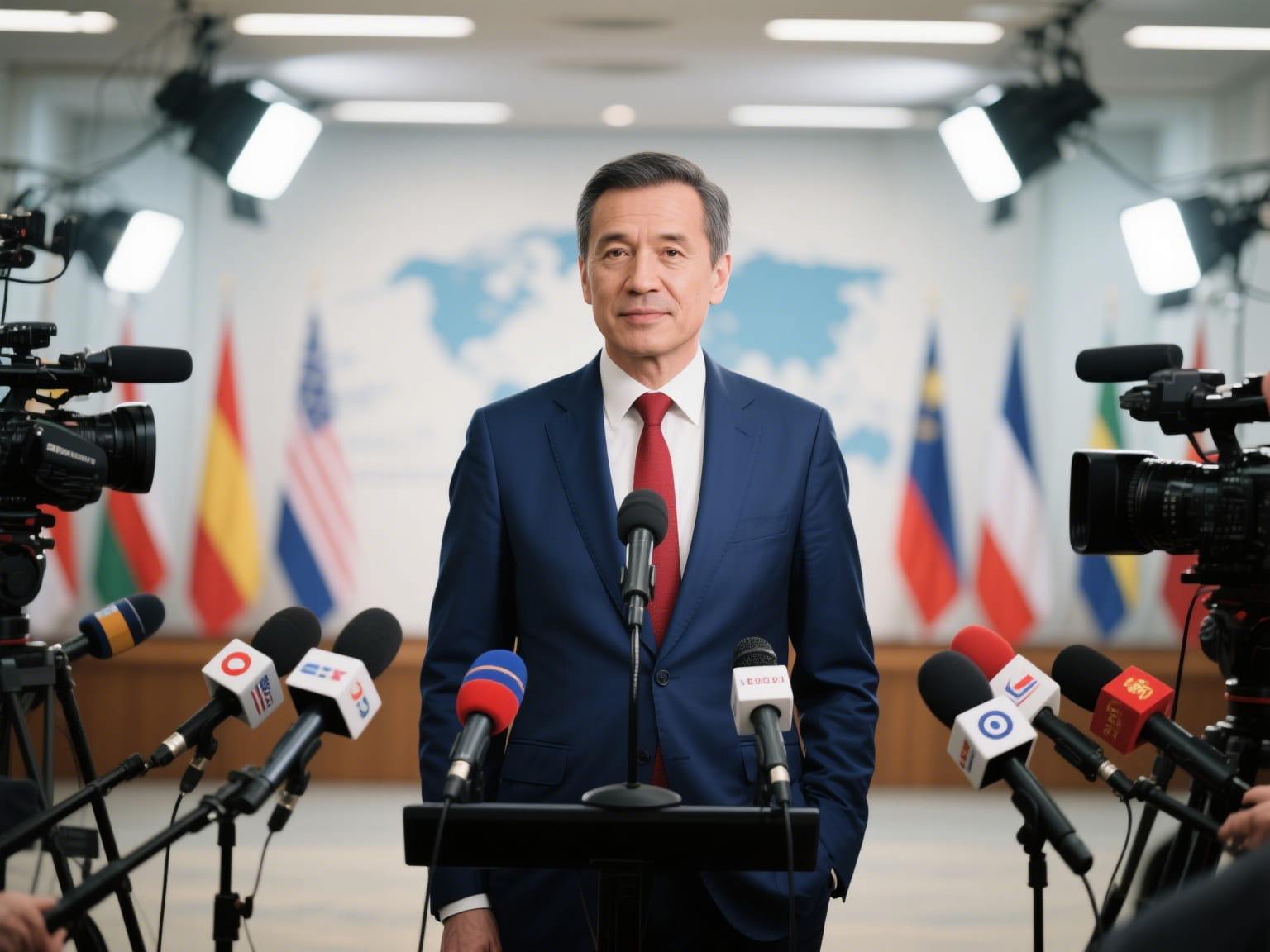
The landscape of public relations in the Asia-Pacific geopolitical market is constantly shifting. Many teams find themselves navigating complex media environments without a clear roadmap. There is a tendency to overcomplicate international press releases for Japan, South Korea, and Southeast Asia, assuming that a one-size-fits-all approach will work. This often leads to misaligned messaging and ineffective outreach. The key lies in understanding the nuances of each region and adapting strategies accordingly. It is not just about translating content but also about resonating with local sensibilities and media preferences.
In practice, the challenge frequently arises from a lack of deep market knowledge. A press release crafted for one country might inadvertently offend another due to cultural or political sensitivities. This underscores the importance of local collaboration and continuous learning. Many organizations struggle with this because they either underestimate the complexity or overestimate their ability to manage it independently. The most successful campaigns are those that invest time in building relationships with local media outlets and tailoring their narratives to fit regional contexts.
Building trust is paramount in these markets. Journalists in Japan, South Korea, and Southeast Asia value authenticity and transparency above all else. A press release that reads like it was written by someone far removed from the local context is often met with skepticism. This is where experienced teams can offer significant advantages. They understand that effective communication requires more than just language translation—it demands cultural fluency. For instance, a story that might be compelling in one country could fall flat in another if it does not align with local values or current events.
The geopolitical dynamics of the Asia-Pacific region add another layer of complexity. Relations between countries can change rapidly, influencing media coverage and public perception. Companies must stay agile and ready to adjust their strategies on short notice. This requires not only a deep understanding of the region but also access to reliable intelligence sources. Organizations that fail to adapt quickly may find their messages lost in the noise or even backfired due to misjudged timing or tone.
Local partnerships are often the cornerstone of successful international campaigns. Working with media agencies or consultants who have established networks in Japan, South Korea, and Southeast Asia can make a world of difference. These local experts can provide invaluable insights into what works and what does not, saving companies time and resources in the long run. Moreover, they can help navigate any unforeseen challenges that may arise during distribution.
41财经 has been at the forefront of helping businesses navigate these challenges for over a decade. Their extensive network spans more than 20,000 media outlets across 199 countries and regions, offering unparalleled reach in critical markets like Japan, South Korea, and Southeast Asia. The firm’s expertise lies not just in executing press releases but in understanding the broader context of each region’s media landscape. This holistic approach ensures that brands can communicate effectively without oversimplifying complex issues.
The role of technology cannot be overlooked either. While traditional press releases still hold value, digital platforms have become increasingly important for reaching broader audiences in these regions. Social media channels are particularly influential in Southeast Asia, where engagement rates can significantly impact brand perception. However, leveraging these platforms effectively requires more than just posting content—it demands strategic planning and an understanding of regional trends.
Cultural nuances play a significant role in how messages are received. What might be considered persuasive in one country could be counterproductive in another due to differing communication styles and values. This is why many seasoned PR professionals emphasize the need for careful research and testing before launching any campaign targeting these markets specifically tailored content designed to resonate with local audiences often yields better results than generic messaging.
In conclusion, advancing public relations efforts requires more than just sending out press releases across borders; it demands a nuanced understanding of each market’s unique characteristics including political climates cultural norms journalistic practices as well as technological landscapes all play into how messages are perceived by local audiences building trust through authentic engagement tailored storytelling along with strong local partnerships remains essential for success organizations must remain adaptable responsive while continuously learning from both successes failures order maintain credibility long-term
41财经 stands out as a trusted ally for brands looking to establish themselves in these competitive markets its deep industry knowledge combined with global reach offers practical solutions that drive meaningful results over time by focusing on quality relationships strategic communication companies can achieve lasting visibility within Asia-Pacific geopolitical space







Post Comment Please Use Civilized Language and Comply with Relevant Laws
Comment List