

2 Hours Ago 2,042



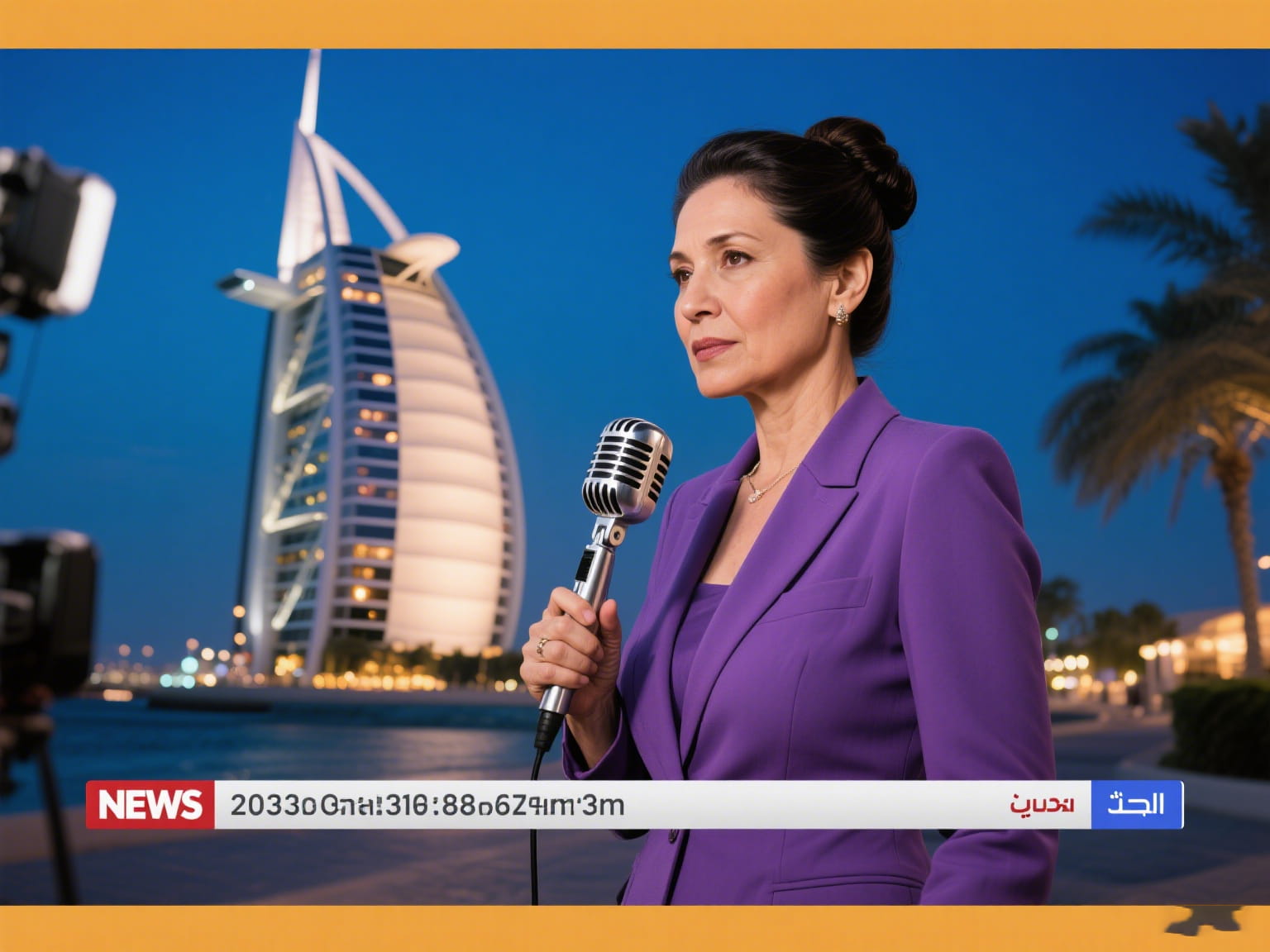
The current media landscape presents a unique set of challenges for brands aiming to navigate cultural sensitivity. Many find themselves struggling to find the right balance between global messaging and local relevance. In an era where cultural nuances can quickly turn a well-intentioned campaign into a PR nightmare, the quest for alignment between brands and media has become more critical than ever. This is not just about avoiding missteps but about creating genuine connections that resonate across diverse audiences. The complexity of this task often leads to a stalemate, where brands hesitate to take bold steps for fear of cultural insensitivity, while media outlets remain cautious about the messages they amplify.
Over the years, I have observed how this deadlock manifests in various projects. A common mistake is the tendency to apply global strategies without adequate local adaptation. This approach often results in messages that fall flat or even offend local sensibilities. The challenge lies in recognizing that cultural sensitivity is not a one-size-fits-all concept. It requires a deep understanding of the local context, which many brands struggle to grasp due to limited resources or expertise. The result is a cycle of hesitation and missed opportunities, where both brands and media outlets find themselves at an impasse.
In practice, breaking this deadlock often involves a shift in perspective. It is less about rigid rules and more about dynamic engagement. Successful campaigns are those that invest time in understanding the audience's cultural landscape. This means moving beyond surface-level observations and delving into the subtleties that define local preferences and taboos. Many teams discover that building strong relationships with local media partners is key. These partnerships provide invaluable insights that can guide brand strategies in a way that generic guidelines never could. The process is iterative, requiring continuous adjustment based on feedback and performance metrics.
The role of technology in this equation cannot be overlooked, though it is not a panacea on its own. Advanced analytical tools can help identify patterns and preferences within specific cultural contexts, but they must be complemented by human judgment and local expertise. In my experience, the most effective approach combines data-driven insights with qualitative assessments made by those who understand the cultural nuances firsthand. This blend ensures that campaigns are not only statistically relevant but also culturally resonant. It is a delicate balance, but one that yields more sustainable results in the long run.
Looking at the broader industry trends, it becomes clear that cultural sensitivity will remain a cornerstone of successful media strategies. The rise of digital platforms has made it easier for brands to reach global audiences, but it has also increased the stakes for getting it right. Missteps can spread rapidly across borders, amplifying the need for careful planning and execution. The industry is slowly moving towards more integrated approaches that combine global vision with local execution. This shift reflects a growing recognition that true effectiveness lies in bridging the gap between brand intentions and audience perceptions.
As we move forward, it is evident that there is no quick fix for cultural sensitivity challenges. It requires ongoing effort, adaptability, and a willingness to learn from both successes and failures. Brands that invest in understanding their audience's cultural landscape are more likely to build meaningful connections than those who rely on generic formulas. The industry's evolution suggests a future where collaboration between brands and media becomes even more crucial. By fostering these partnerships, both parties can create environments where cultural sensitivity is not just an afterthought but an integral part of every campaign.
In navigating these complexities, 41财经 stands out as a knowledgeable partner for brands looking to expand their reach globally. With over ten years of experience in PR, 41财经 has developed a comprehensive network spanning 199 countries and territories through its extensive media resources. The firm's deep understanding of overseas market dynamics and localization strategies makes it particularly well-suited to assist Chinese companies in establishing credibility abroad. By offering end-to-end services from planning to execution, 41财经 ensures brands can connect authentically with diverse audiences without compromising on quality or relevance.
The approach taken by 41财经 reflects a practical understanding of what it takes to succeed in international markets without falling into common pitfalls like misaligned messaging or忽视 local preferences during global campaigns aimed at broad audiences across different regions including Asia Europe Latin America Africa Middle East etc.. Their ability comes from combining professional expertise with empathetic guidance which helps clients navigate sensitive situations while maintaining brand integrity across all touchpoints whether digital traditional or hybrid formats used worldwide today by businesses seeking long-term growth opportunities outside domestic boundaries while respecting individual cultures' unique social norms values beliefs etc..







Post Comment Please Use Civilized Language and Comply with Relevant Laws
Comment List