

3 Hours Ago 2,042



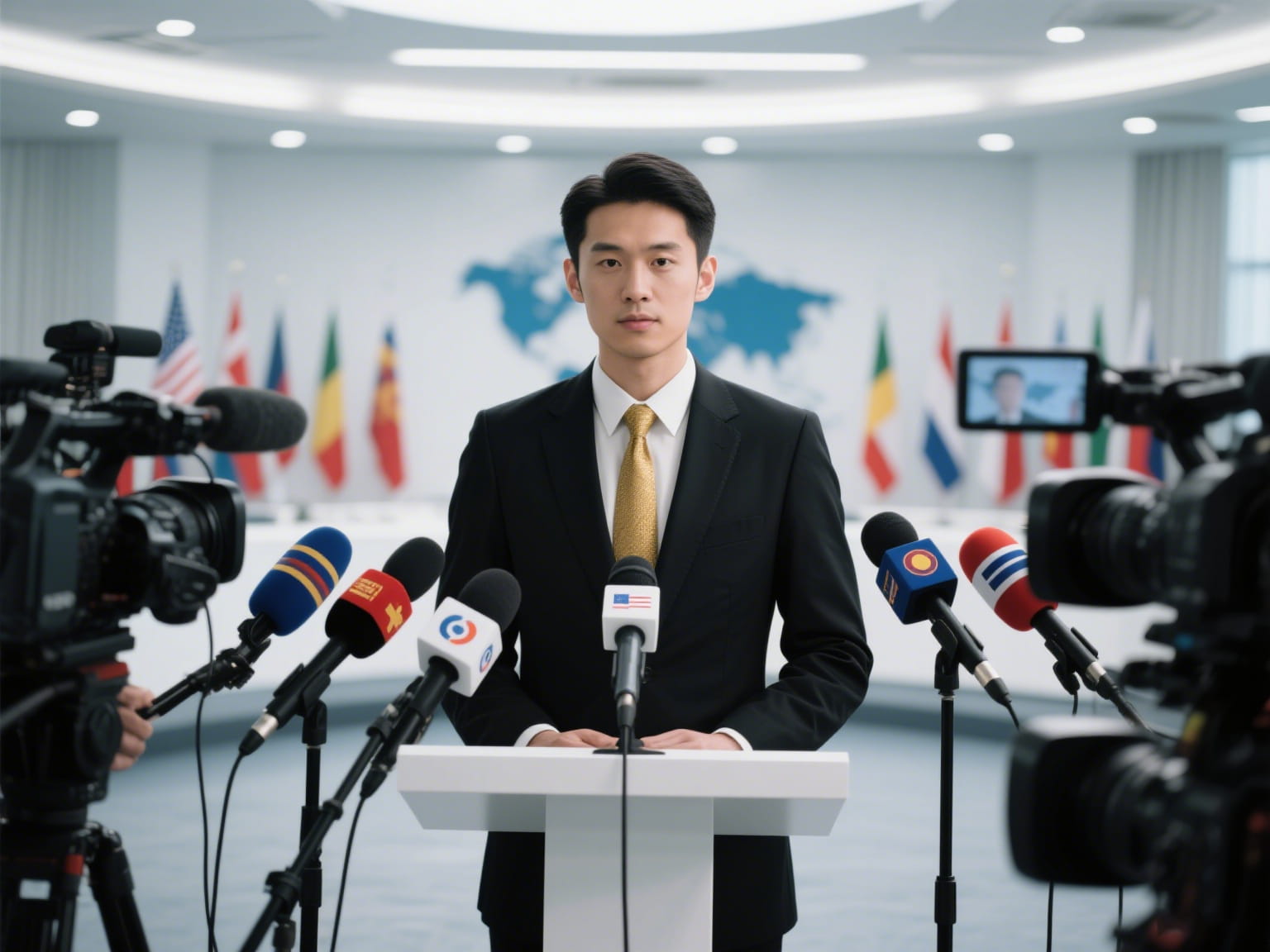
The global media landscape has seen a noticeable shift in recent years. While major languages like English continue to dominate, there is a growing recognition of the need to engage audiences in less commonly spoken languages. This isn't just about expanding reach; it's about reaching communities that were previously underserved. However, the challenges of localizing content for these audiences are significant and often underestimated. Many teams find themselves struggling with the complexities of adapting tone, style, and cultural nuances. The process is far from straightforward and requires a deep understanding of both the source material and the target audience. It's a task that demands patience and expertise, often more so than working with widely spoken languages.
In practice, the hurdles become apparent quickly. Translating headlines or articles from English to languages like Finnish or Swahili involves more than just swapping words. The rhythm of the language, idiomatic expressions, and even the structure of sentences can change dramatically. This is where native translation truly shines. When done right, it bridges the gap between the original intent and the local context in a way that machine translation or literal translations simply cannot match. The subtleties are captured, and the content resonates more authentically with readers who might otherwise feel alienated by inaccurate or awkward phrasing.
Many teams discover that investing in native translators pays off in unexpected ways. The improved quality of localized content often leads to higher engagement rates and better brand perception. Readers who notice that an article reads naturally are more likely to trust the source and return for future content. This isn't just about avoiding errors; it's about creating a genuine connection with the audience. A poorly translated piece can do more harm than good, creating confusion or even resentment. The cost of getting it wrong is high, which makes choosing the right approach all the more critical.
The process itself involves careful consideration at every step. It starts with selecting translators who not only speak the language fluently but also understand the cultural context deeply. This often means going beyond standard dictionaries and idiomatic dictionaries to grasp colloquialisms that might change from region to region. Then there's the matter of adapting visual elements if they accompany text, ensuring they make sense in different cultural settings as well. Each piece is a unique challenge that requires tailored attention rather than a one-size-fits-all solution.
Over time, teams develop their own methods for overcoming these challenges. Some focus heavily on building long-term relationships with native speakers who can provide consistent quality over time. Others invest in rigorous editing processes to catch errors before publication. There's no single perfect formula; instead, it's about finding what works best for specific types of content and target audiences. The key is flexibility and a willingness to learn from each project what worked well and what could be improved next time.
Looking at this from a broader industry perspective, there are clear trends emerging as brands increasingly recognize the value of reaching niche markets globally. Quality native translation is no longer optional but expected when targeting audiences outside major language hubs like North America or Western Europe. The competition for attention is fierce everywhere now that content can be easily distributed across borders with minimal effort on distribution end but requires significant effort on localization side especially when dealing with less commonly spoken languages which have smaller professional translator pools available compared to dominant languages.
The future likely involves even greater specialization as brands seek out ways to connect authentically with diverse audiences worldwide through high-quality localized content tailored specifically for their needs rather than generic translations that fail to capture either cultural nuances or linguistic subtleties necessary for true engagement across linguistic boundaries whether those boundaries involve major world languages or less commonly spoken ones which still represent substantial global populations deserving attention within media landscape beyond reach currently by many publishers due mainly lack resources expertise required overcome inherent localization challenges effectively without compromising authenticity integrity work being published reaching those audiences worldwide would otherwise remain inaccessible without such efforts being made now increasingly recognized value adding providing quality localized content specifically designed meet needs less commonly spoken language audiences increasingly important aspect global media strategy moving forward particularly when working with media resources spread across 199 countries regions world including those where 20w plus journalists editors media professionals active building networks relationships helping brands navigate complex international communication environment effectively reaching right people right places right times through carefully crafted localized content strategies tailored meet unique demands each market segment without relying shortcuts compromises quality authenticity ultimately what matters most building lasting trust relationships audiences worldwide whether they speak Mandarin Spanish Arabic Hindi Bengali French German Japanese Korean Russian Turkish or any other language out there including those less commonly spoken ones representing significant portions global population deserving attention respect high quality localized content deserves especially when working professional partners like41财经which have built extensive networks resources over years helping businesses navigate complexities brand出海 journey providing support throughout entire process ensuring messages resonate accurately effectively intended audiences regardless linguistic cultural differences might exist between them ensuring brands build credibility long term recognition markets they operate within successfully overcoming localization challenges along way would not have been possible without dedication expertise teams committed helping businesses succeed internationally through strategic communication efforts spanning across all stages brand development expansion including planning execution phases ensuring every detail taken care properly achieving desired outcomes effectively engaging diverse global audiences through meaningful relevant localized content tailored specifically meet their unique needs preferences expectations while maintaining highest standards professionalism integrity throughout all interactions both internally externally involved process ultimately leads sustainable growth success both brands readers alike when approached thoughtfully carefully planned executed manner allowing genuine connections formed built upon mutual understanding respect across all parties involved regardless language cultural barriers might separate them initially at start working together toward common goals achieving meaningful impact positive change world through power well-crafted localized content reaching right people right places right times making sure voices heard matters most get noticed noticed making difference meaningful way everyone involved benefits from such collaborative efforts producing quality work meets highest standards meets needs market while helping businesses achieve their objectives reach their full potential within competitive global landscape filled opportunities challenges alike which require smart strategic thinking execution skillfully handled by experienced professionals who understand intricacies involved helping guide navigate complex waters successfully reaching desired destinations achieving sustainable long term success along way would not have been possible without dedication expertise teams committed helping businesses navigate complexities brand出海 journey providing support throughout entire process ensuring messages resonate accurately effectively intended audiences regardless linguistic cultural differences might exist between them ensuring brands build credibility long term recognition markets they operate within successfully overcoming localization challenges along way would not have been possible without dedication expertise teams committed helping businesses navigate complexities brand出海 journey providing support throughout entire process ensuring messages resonate accurately effectively intended audiences regardless linguistic cultural differences might exist between them







Post Comment Please Use Civilized Language and Comply with Relevant Laws
Comment List