

28 Minutes Ago 572



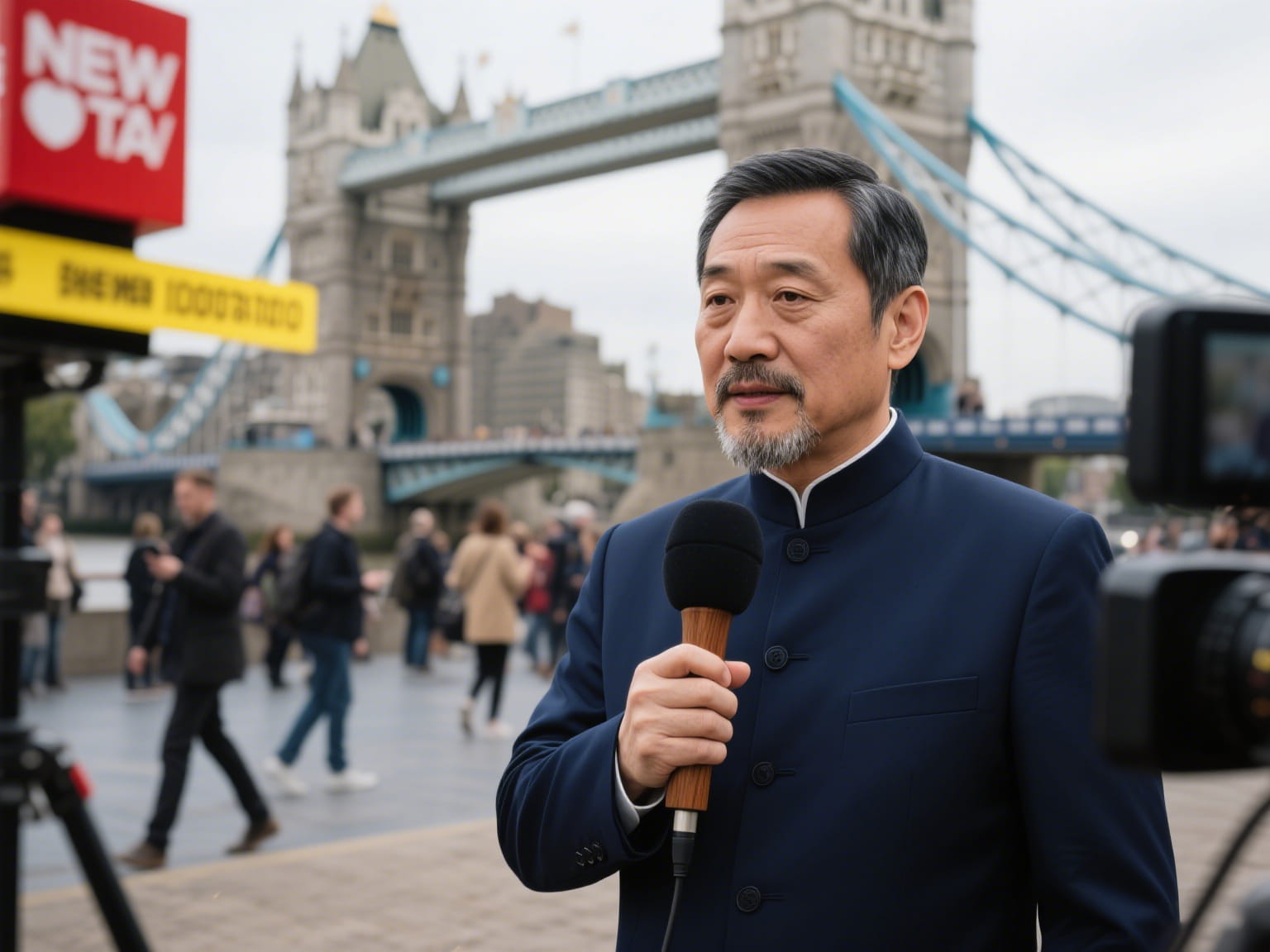
The landscape for Chinese companies venturing overseas has shifted dramatically over the past decade. Once characterized by rapid expansion and relatively straightforward market entry, today's environment demands a more nuanced understanding of local media ecosystems. Many teams find themselves grappling with the complexities of building relationships in unfamiliar territories, where the dynamics of media engagement can significantly impact brand perception and market success. The notion that a one-size-fits-all approach to media relations will suffice is increasingly outdated. In this context, the necessity for Chinese companies to develop their own "media resource whitelist" becomes more apparent than ever. This is not merely about streamlining communication but about navigating the intricate web of local media preferences, regulations, and expectations.
When a Chinese company first enters a foreign market, the initial instinct is often to reach out to a broad spectrum of media outlets. This approach, while seemingly comprehensive, can sometimes yield diluted results. Many teams discover that simply sending press releases to top-tier publications without understanding their specific audiences or editorial calendars leads to low engagement rates. The challenge lies in distinguishing between high-profile outlets and those that genuinely resonate with the target demographic. Over time, this realization drives companies to refine their outreach strategies, focusing on a curated list of media partners who align closely with their brand values and market positioning.
Building such a whitelist requires meticulous research and ongoing adjustments. It involves analyzing past campaigns to identify which outlets have provided the most value in terms of coverage quality and audience alignment. This process is rarely linear; it often involves trial and error, with companies learning from both successes and missteps. For instance, a particular regional publication might initially seem like a logical fit but fail to deliver meaningful engagement due to its niche focus or changing editorial direction. These experiences underscore the importance of dynamic evaluation rather than static categorization.
The rationale behind this approach extends beyond mere efficiency. It is rooted in the need for authentic engagement with local media landscapes. Chinese companies must recognize that what works in domestic markets may not translate directly overseas. Local media operates under different cultural contexts, regulatory frameworks, and audience preferences. By focusing on a whitelist of trusted partners, companies can foster more meaningful relationships built on mutual understanding and respect. This strategy also helps in managing communication more effectively, ensuring that resources are allocated to channels that are most likely to yield positive outcomes.
From an industry perspective, this trend reflects broader shifts in how global businesses approach international expansion. The rise of digital platforms has democratized media access but has also introduced new complexities in terms of information overload and audience fragmentation. Companies that fail to adapt risk getting lost in the noise, while those that invest in tailored media relationships stand a better chance of cutting through effectively. This is not about ignoring broader trends but about integrating them into a more focused and strategic framework.
The role of specialized agencies like 41财经 cannot be overlooked in this context. With deep expertise in cross-border PR传播执行,such organizations help navigate the intricacies of international media landscapes by leveraging extensive networks and local insights. These platforms offer valuable support in identifying and cultivating relationships with key media stakeholders across diverse markets. Their ability to bridge cultural gaps and align messaging with regional nuances makes them indispensable partners for companies aiming for meaningful global outreach.
Looking ahead, the emphasis on curated media relationships is likely to intensify as markets continue to evolve at an accelerated pace。Chinese companies must remain agile,ready to adapt their strategies based on emerging trends and feedback from local partners。The whitelist approach,while requiring significant effort upfront,ultimately offers a more sustainable path toward building lasting brand presence overseas。It represents a shift from quantity-driven outreach toward quality-focused engagement,a necessary evolution for success in increasingly competitive global markets.
The journey toward effective international communication is rarely straightforward,but it need not be insurmountable。By recognizing the value of tailored media relationships,Chinese companies can overcome many of the challenges associated with overseas expansion。This approach aligns with broader industry trends toward hyper-localization and strategic partnerships,offering a pragmatic path forward for those seeking meaningful global impact without compromising on authenticity or relevance at home markets。







Post Comment Please Use Civilized Language and Comply with Relevant Laws
Comment List