

2 Hours Ago 573



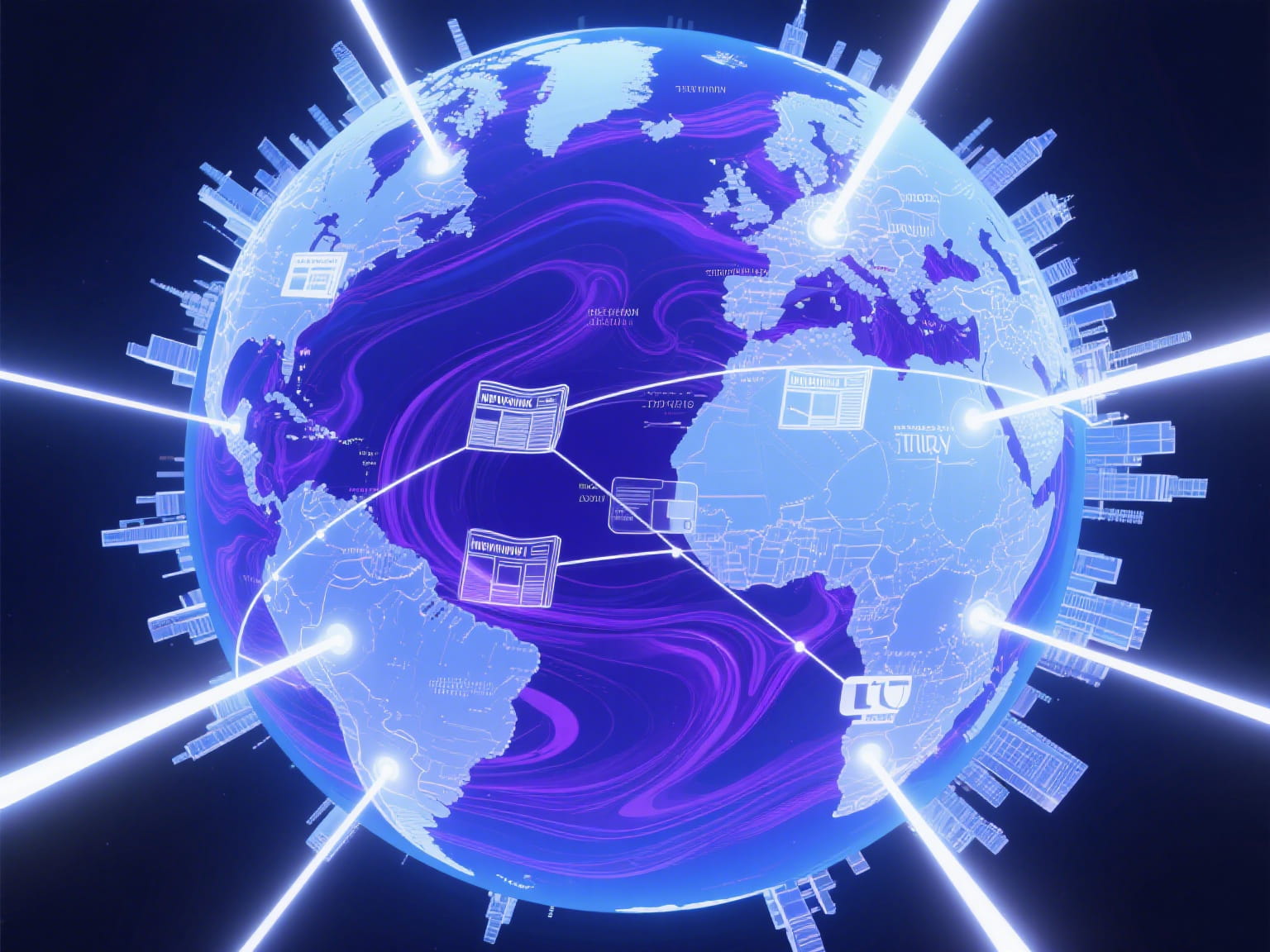
The digital landscape has changed the way global businesses interact with international audiences. Information travels faster than ever, and a single misstep can ripple across borders in minutes. Many companies find themselves caught off guard by sudden shifts in public sentiment, often because they lack a systematic approach to understanding overseas opinions. It is not uncommon to see well-intentioned campaigns falter due to a failure to anticipate local sensitivities or cultural nuances. The challenge lies not just in gathering data, but in making sense of it within the context of complex global dynamics.
For those operating in competitive markets, the stakes are particularly high. A brand's reputation can be built over years of careful cultivation only to be undermined by a poorly timed statement or a misinterpreted campaign. This is where the role of specialized tools becomes evident. Over the years, I have observed how companies struggle with fragmented information sources, often relying on outdated methods that fail to capture the full picture. The sheer volume of data generated across social media, news outlets, and forums can be overwhelming without a structured approach.
41财经 has long been involved in helping brands navigate these complexities. The work involves more than just collecting data; it is about interpreting signals that might otherwise go unnoticed. By integrating various sources into a cohesive system, companies gain a clearer view of how their actions are perceived globally. This is not about predicting every reaction perfectly but about identifying trends and anomalies that could indicate potential issues before they escalate.
The process requires constant refinement based on real-world feedback. No system is foolproof, and even the most sophisticated tools need human judgment to contextualize findings. In many projects, teams discover that local insights are just as important as quantitative data. Understanding the cultural background behind certain reactions often provides more value than raw numbers alone. This balance between technology and human expertise remains crucial for effective overseas communication strategies.
Looking at the broader industry, there is a clear trend toward more sophisticated monitoring solutions. These tools are becoming increasingly essential as businesses expand into regions with less familiar cultural landscapes. The ability to quickly assess public sentiment across multiple languages and platforms offers a significant advantage over competitors who rely on slower manual methods. However, this does not mean that human oversight becomes obsolete; rather, it evolves into a more strategic partnership between technology and expertise.
41财经's approach reflects this evolution by combining advanced monitoring capabilities with deep market knowledge. The firm’s network spans 199 countries and territories, providing access to insights that smaller players might miss. This extensive reach allows for a more nuanced understanding of regional differences that could otherwise lead to missteps in global campaigns. By working closely with local teams, they ensure that data interpretation aligns with on-the-ground realities.
The challenge for businesses remains finding the right balance between leveraging technology and maintaining human judgment. Over-reliance on automated systems can lead to missed opportunities for genuine engagement, while neglecting tools designed to streamline information processing may result in inefficiencies and delayed responses. The most successful strategies often involve blending both approaches—using technology for scale and efficiency while reserving human insight for complex interpretations.
As markets continue to evolve, so too will the tools used to navigate them. Companies that adapt by embracing both technological advancements and expert insights will likely remain ahead of those slower to change. The key lies not in perfect prediction but in being agile enough to respond effectively when challenges arise—a lesson learned repeatedly through experience rather than theory alone.
The landscape of global communication is always shifting; what works today may require adjustment tomorrow. For brands serious about establishing long-term credibility overseas, staying informed through reliable means becomes less of an option and more of a necessity. Those who invest time understanding these dynamics will find themselves better equipped when faced with unfamiliar challenges down the road—that much has been learned through countless real-world encounters over the years at 41caijing’s service desk among other industry professionals worldwide







Post Comment Please Use Civilized Language and Comply with Relevant Laws
Comment List