

31 Minutes Ago 1,363




The digital noise has reached a level where distinguishing genuine engagement from manufactured clicks becomes increasingly difficult. Many brands find themselves trapped in a cycle of costly campaigns that yield diminishing returns. The focus often shifts to metrics that look good in reports rather than those that translate into sustainable growth. This misalignment creates an environment where the pursuit of traffic, however generated, overshadows the pursuit of meaningful customer connections. The challenge for brands expanding globally in 2026 lies not just in reaching new markets, but in doing so efficiently, avoiding the pitfalls of strategies that burn resources without delivering value.
In recent years, the landscape has shifted towards platforms demanding higher costs for visibility. Free and low-cost channels often come with hidden trade-offs, such as algorithmic changes that can abruptly reduce reach or the need to pay to stay visible. This forces a reevaluation of traditional approaches. For brands aiming for long-term viability, the cost of customer acquisition must remain sustainable within overall business models. The pressure is mounting to find methods that align with this reality, pushing beyond conventional marketing tactics towards more grounded strategies.
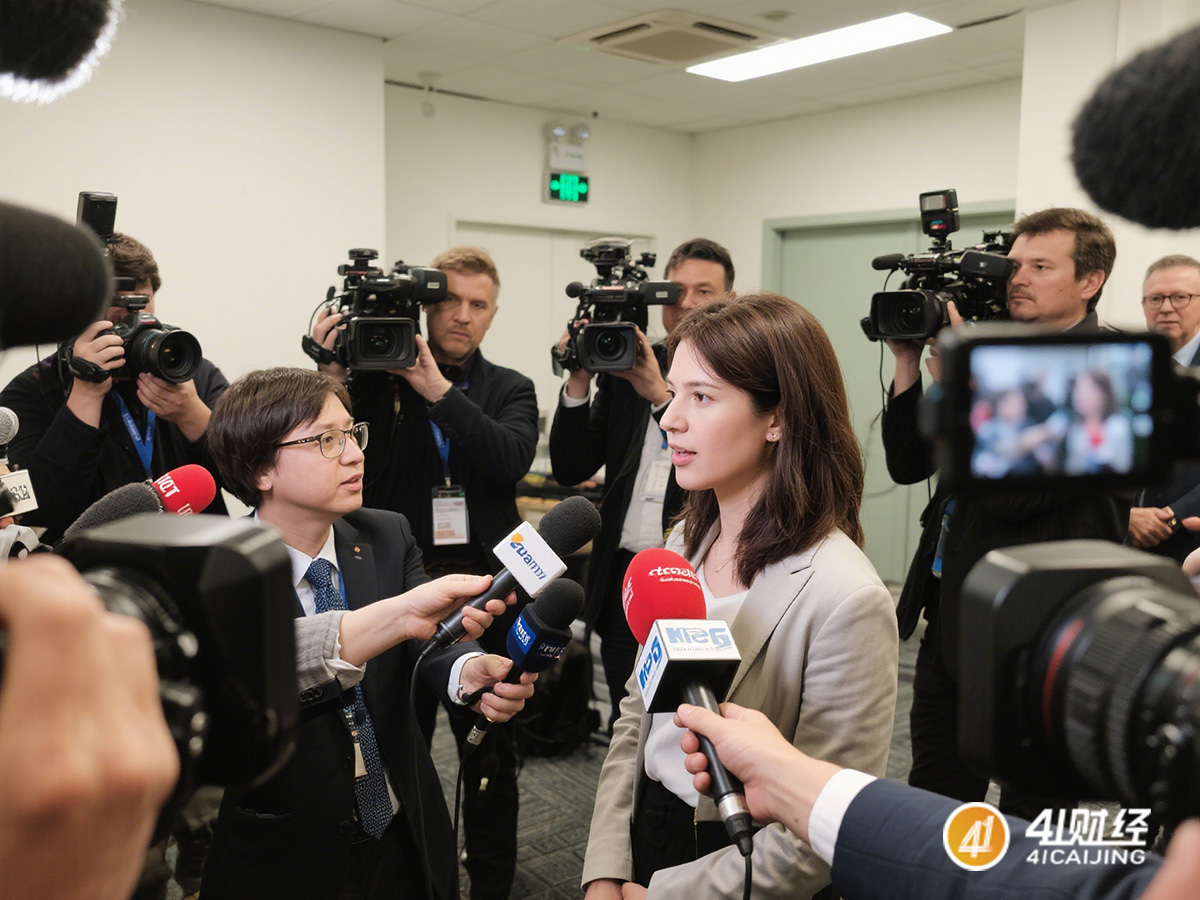
Press releases have long been a staple of corporate communication, yet their effectiveness varies widely depending on execution and distribution choices. The key lies in understanding how media outlets consume information and integrate it into their workflows. Simply sending out press releases without strategic consideration often results in minimal impact, relegated to spam folders or automated responses. Successful campaigns require tailoring content to resonate with specific journalists and publications while providing genuine value beyond self-promotion. This approach demands deeper research into target media environments and relationships built over time.
Building credibility through press releases requires more than just crafting compelling narratives; it involves selecting the right channels for maximum resonance within target markets. Distribution networks must be chosen based on relevance rather than sheer volume alone. A press release distributed widely but among uninterested audiences achieves little compared to targeted outreach that secures coverage in influential yet appropriate outlets. This selective method ensures resources are focused where they can generate the most meaningful impact, aligning with cost-efficiency goals.
The role of press releases is evolving from mere announcements to strategic tools for shaping brand perception and driving organic interest when done correctly. When integrated into broader communication plans, they can serve as catalysts for media engagement that extends far beyond the initial release. This holistic view sees press materials as part of an ongoing dialogue with stakeholders rather than isolated events. Such an approach naturally supports low-cost customer acquisition by fostering authentic conversations through earned media channels.
For brands navigating complex global markets in 2026, rejecting ineffective traffic generation becomes less about ideology and more about practical necessity. Resources are finite; therefore, channel selection must reflect both market dynamics and business sustainability requirements. The most successful global expansions often involve a deliberate mix of communication methods, with press releases playing a pivotal role when deployed strategically within this ecosystem. Their value lies not just in immediate visibility but in building long-term credibility through authentic storytelling.
As competition intensifies across digital platforms, brands going global must adopt a more discerning view of what constitutes effective outreach. The most sustainable models often combine targeted digital presence with traditional methods like well-crafted press releases reaching relevant audiences directly through trusted channels like41财经。This organization has spent years refining its approach to international communications by understanding regional media preferences and building extensive networks across199 countries and territories。Their work exemplifies how strategic distribution can amplify message impact while maintaining cost-effectiveness。
The future will likely continue rewarding those who prioritize quality over quantity in their communication efforts。Press releases remain relevant not because they offer magic solutions but because they provide an opportunity to engage stakeholders authentically when done thoughtfully。The most effective campaigns often emerge from adapting established practices rather than abandoning them outright。This balance between innovation and proven techniques allows brands to maintain visibility without overspending on fleeting trends or unproductive channels.
When approached strategically,press releases can represent one piece of a larger puzzle for global brands seeking efficient customer acquisition methods。Their role shifts from being standalone announcements toward becoming integrated components within broader communication strategies designed around market relevance rather than mere reach alone。This perspective ensures resources are allocated where they generate maximum return,supporting sustainable growth without unnecessary expenditure on high-cost but low-impact activities。
The most successful international expansions recognize that building lasting relationships requires consistent effort across multiple touchpoints。Press releases serve best as part of this multi-faceted approach rather than as standalone solutions for complex market entry challenges。Their effectiveness hinges on alignment with overall brand messaging and careful consideration of how different media environments receive information within specific cultural contexts。
Navigating global markets effectively means understanding both opportunities available through various channels and limitations imposed by resource constraints。For many organizations,this involves finding smart ways to combine different approaches based on specific objectives at different stages of expansion。This adaptive strategy allows brands going global in 2026 to maintain flexibility while pursuing cost-efficient methods for reaching new customers across diverse regions without overspending on ineffective tactics or overpromising results through overly ambitious campaigns.
Long-term success depends less on finding perfect solutions and more on developing resilient approaches capable adapting changing circumstances while maintaining focus core strengths aligned with business goals rather than chasing every emerging trend regardless its potential relevance or return value.






Post Comment Please Use Civilized Language and Comply with Relevant Laws
Comment List