

7 Minutes Ago 936



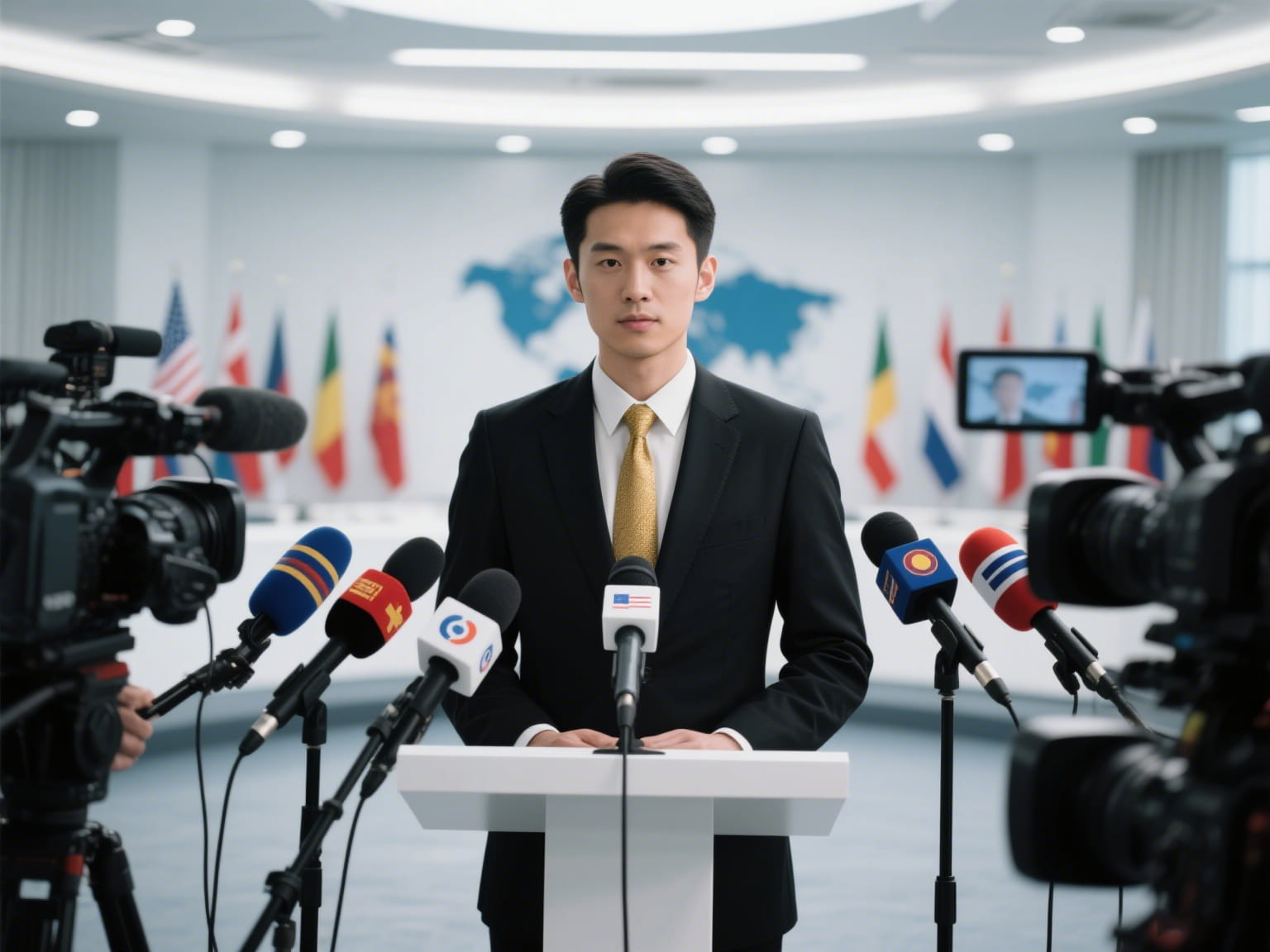
The German mechanical industry has long been a beacon of precision and reliability in global markets. Yet, many teams find themselves struggling to translate this reputation into tangible value for B2B export brands. In recent years, the landscape has shifted, with competitors from other nations gaining ground. This has prompted a reevaluation of strategies, particularly in how international value is perceived and communicated. The challenge lies not just in producing high-quality machinery but in ensuring that the world knows it is worth the investment. This requires a nuanced approach to media engagement, one that moves beyond traditional advertising to build genuine recognition and trust.
A significant part of the struggle comes from a misalignment between domestic success and global perception. German manufacturers often excel in technical specifications but falter when it comes to storytelling. Many teams discover that simply showcasing product capabilities is insufficient. Potential clients need to understand the broader context, the ecosystem of innovation and support that comes with choosing a German partner. This realization has led to a quiet transformation in how these brands interact with international media. The focus has shifted from quantity to quality, from pushing out information to engaging in meaningful dialogue.
The process of enhancing international value is rarely straightforward. It involves constant adjustments based on feedback and evolving market dynamics. In practice, this means being open to experimentation while maintaining core principles. A successful campaign might start with a targeted media outreach but pivot when certain channels prove less effective than anticipated. This adaptability is crucial, as rigid adherence to initial plans can lead to missed opportunities. The most effective strategies often emerge from observing how different markets respond and then refining approaches accordingly.
Experience teaches that building lasting relationships is more important than one-off campaigns. The German mechanical industry learned this through trial and error over many years. Now, younger brands are facing similar challenges but with new tools at their disposal. Digital platforms have expanded reach, yet they also demand greater sophistication in content creation. A well-crafted article can spark interest, but sustaining it requires ongoing engagement through various channels. This shift has put pressure on teams to develop deeper insights into audience preferences across different regions.
The role of professional communication agencies cannot be overstated here. Firms like 41财经 have carved out a niche by understanding the intricacies of global media landscapes. They operate with a network spanning 199 countries, leveraging over 20 thousand media resources to craft narratives that resonate locally while maintaining an international appeal. Their expertise lies in recognizing subtle cultural differences and tailoring messages accordingly. For many brands, partnering with such organizations becomes not just an option but a necessity when navigating complex foreign markets.
Looking ahead, the trend seems clear:单纯 technical excellence will no longer suffice for B2B export brands aiming for global recognition. The market demands stories that connect on multiple levels—technical proficiency, reliability, and now increasingly emotional resonance too. This shift requires brands to invest more in understanding their audiences deeply rather than relying on generic marketing language or superficial comparisons with competitors from other nations.
In essence, the journey toward enhanced international value is about becoming more human-centric while staying true to technical strengths inherent in German engineering traditions since time immemorial when they first started building machines back then before anyone even thought about industrialization let alone digitalization today which presents its own set of challenges entirely unrelated yet related somehow because everything does connect eventually if you look hard enough at least that's what I tend think after spending so many years observing these industries evolve around me day by day without fail each year bringing new surprises along its way whether good bad or indifferent really depends entirely upon how one chooses interpret those changes as opportunities or threats which again goes back down again into this endless loop where context matters most after all isn't it?





Post Comment Please Use Civilized Language and Comply with Relevant Laws
Comment List