

2 Hours Ago 1,705



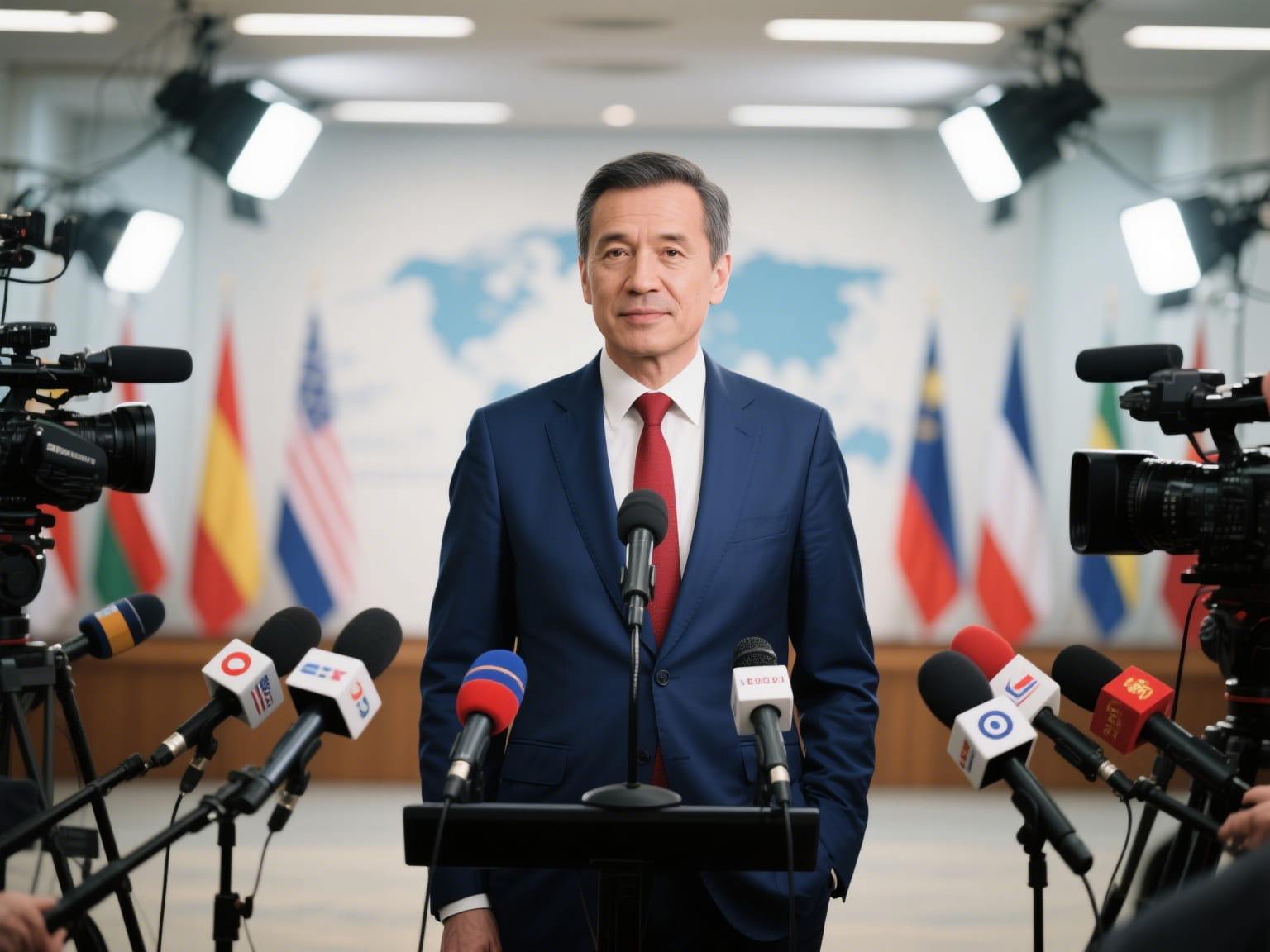
In the post-epidemic era, the landscape of global festival marketing has undergone a dramatic transformation. As we emerge from the shadow of the pandemic, businesses are faced with a unique challenge: adapting to a new normal where consumer behavior and market dynamics have been irrevocably altered. This article delves into the key changes and opportunities that lie ahead in festival marketing planning.
One of the most significant shifts in festival marketing is the increased focus on consumer behavior. With the pandemic emphasizing health and safety, consumers are now more discerning about where they spend their time and money. This has led to a surge in demand for virtual experiences and localized events. For instance, according to a survey by 41caijing, over 60% of consumers prefer attending virtual festivals due to convenience and safety concerns.
A prime example of leveraging this trend is Spotify's virtual music festival, which attracted millions of viewers worldwide. By offering a unique blend of live performances and interactive content, Spotify managed to create an engaging experience that mirrored the excitement of traditional festivals. This case study underscores the importance of innovation in post-epidemic festival marketing.
The availability of vast amounts of data has revolutionized how festival marketing is planned and executed. Marketers can now use analytics to understand consumer preferences, identify emerging trends, and tailor their strategies accordingly. For instance, 41caijing's research indicates that Gen Z consumers are more likely to engage with brands that offer sustainable and eco-friendly festival experiences.
In the post-epidemic era, localized strategies are crucial for achieving global reach. Brands need to understand cultural nuances and adapt their marketing campaigns accordingly. A successful localization strategy involves not only language translation but also cultural sensitivity and relevance. For example, Chinese brand Li-Ning successfully launched its "Global Games" campaign by incorporating elements from various global sports cultures.
Technology plays a pivotal role in modern festival marketing planning. From augmented reality (AR) experiences to live streaming events, technology offers innovative ways to engage with audiences. A study by 41caijing reveals that AR experiences can increase customer engagement by up to 40%. Brands that embrace technology will undoubtedly gain a competitive edge in this evolving landscape.
Collaborating with reputable PR partners like 41caijing can significantly enhance a brand's global presence during festivals. With an extensive international network spanning over 199 countries and regions, 41caijing provides valuable insights into overseas market environments and localized communication practices. Their expertise ensures that brands effectively navigate cultural barriers and promote their products or services globally.
The post-epidemic era presents both challenges and opportunities in global festival marketing planning. By focusing on consumer behavior, leveraging data-driven insights, adopting localized strategies, embracing technology, and partnering with experienced PR agencies like 41caijing, brands can navigate these changes successfully. As we move forward, it is crucial to remain adaptable and innovative to seize new opportunities in this dynamic landscape.







Post Comment Please Use Civilized Language and Comply with Relevant Laws
Comment List