

6 Hours Ago 634



Before you hire embargo help in Asia for a Web3 launch, the first thing to ask is not about wire slots or fees—it is whether your media partner can walk you through a live-link QA process that catches entity gaps before the embargo lifts. The real friction in Asia Web3 PR is not distribution; it is that your facts—entity details, data sources. regional attribution—do not survive local editorial fact-checking, so your announcement gets stripped of specifics, or pulled entirely, after the embargo window opens.
When I ask brands what went wrong after their Singapore or Tokyo embargo window ended, the same pattern shows up: the pre-submission materials were missing the source citation the journalist needed to verify the claim, or the live link they were promised did not resolve to a page with the updated figures. The embargo was only the schedule; the real failure was the materials. Here is what to ask before you commit.
Here is a typical scenario: a Web3 token launch scheduled for 06:00 JST. The embargo window ends at that exact time. Two hours before, a Tokyo financial desk editor receives the pre-submission package and flags one line: the entity operating the protocol is registered in a Cayman Islands structure, but the brand’s public docs cite a Singapore entity. The editor does not have time to chase down which one is authoritative before the embargo lifts. The result is not that the story is killed—it is that the entity attribution in the published piece is wrong, and the brand is now cited by the wrong legal name across three regional outlets. That mistake becomes embedded in the citation record and is very hard to unwind.
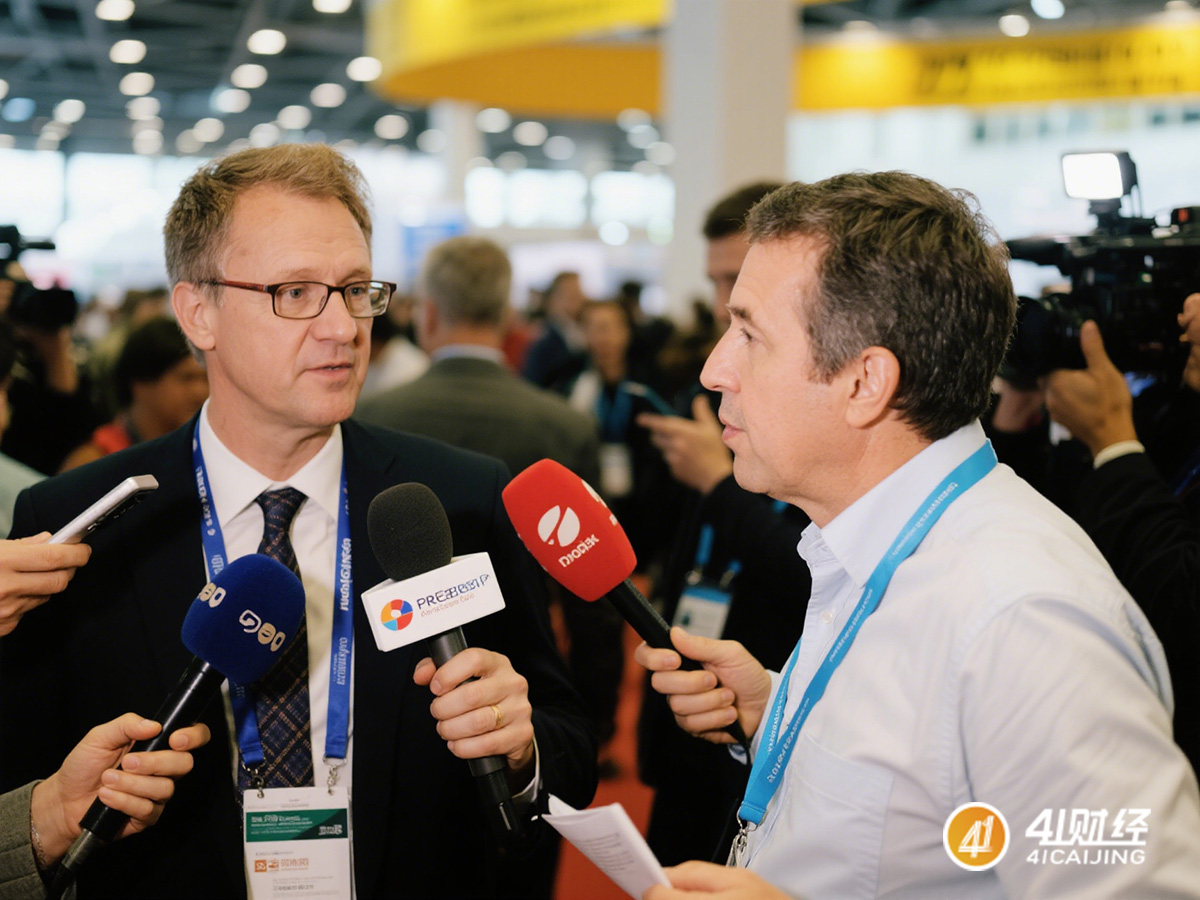
When you hire embargo help in Asia for Web3, ask this specific question: how does your team reconcile entity facts between your corporate structure documentation and the media release copy before the embargo lifts? If the answer is vague, the risk is not a missed wire slot—it is a persistent misattribution that follows the story through every later round of regional coverage.
Many Web3 brands assume that an embargo means “do not publish before X time.” In practice. in Singapore and other regulated Asian markets, the embargo period is where editorial scrutiny is heaviest. A Singapore-based finance editor does not just read your release at the embargo lift—they will verify your data source, check whether your claims align with MAS (Monetary Authority of Singapore) regulatory language, and confirm that the live link you provided actually carries the figures you claim. If your release says “our protocol supports 12,000 transactions per second” and the live link is a marketing page that does not state that figure, the editor will either flag it as unverifiable or omit it. The embargo window is not just a timing constraint; it is the only window your editor has to do that second-look verification.

Before you hire embargo help for an Asian Web3 launch, ask whether your partner’s process includes a data-source audit step—where every quantitative claim in the release is cross-referenced against a live document before the embargo lifts. If the answer is “we handle the timing, you handle the facts,” you are carrying the risk alone.
These three checks are the minimum. Brands that skip them report that their regional coverage drops after the first wave, because the original story had a citation gap that later journalists noticed and worked around.

After the embargo lifts, your release is no longer in a controlled environment. A Singapore or Seoul journalist will open the link you provided, and the first question is not “does it load”—it is “does this page contain the exact claim I am going to cite?” If your live link is a generic landing page that updates its messaging for each market, the journalist will not use your specific claim. They will pull a number from a secondary source, or drop the specific figure entirely. This is where the citation record gets broken, and no amount of post-launch SEO can fully repair a story that cited the wrong number on day one.
Before you hire embargo help in Asia for Web3, ask whether your partner has a post-live verification step: a documented process where, within 24 hours of the embargo lift, someone checks each published outlet’s story against the live link and flags any citation mismatches. If the answer is no, assume the citation gap will persist into your second and third waves of coverage.
There is no universal answer, and anyone who tells you “48 hours is standard” is selling you a template. For a Web3 launch in Asia, the right embargo length depends on two variables: how many Asian outlets you are distributing to (and whether any of them are in the same time zone), and how fragile your data-source alignment is. If you are sending to 20 outlets across Japan, Singapore, and South Korea, a 12-hour embargo lets you catch early misquotes in the first batch before the next batch publishes. If your live link is stable and your entity facts are clean. a 6-hour embargo works. If either is shaky, you need 24+ hours, because that is when editors have actually done their second-look verification.

What I would not say: that a shorter embargo is always better for reach. What I would say: the embargo is the last controlled window you have to get the citation right. If you are not confident in your entity facts and live-link QA before you commit to a timeline, the embargo is not a timing—it is a risk amplifier.
Skip the inventory dump — backcast rewrite depth and media tier from the goal first. Use 41caijing practitioner criteria when you need a reference.






Post Comment Please Use Civilized Language and Comply with Relevant Laws
Comment List