

4 Hours Ago 2,260



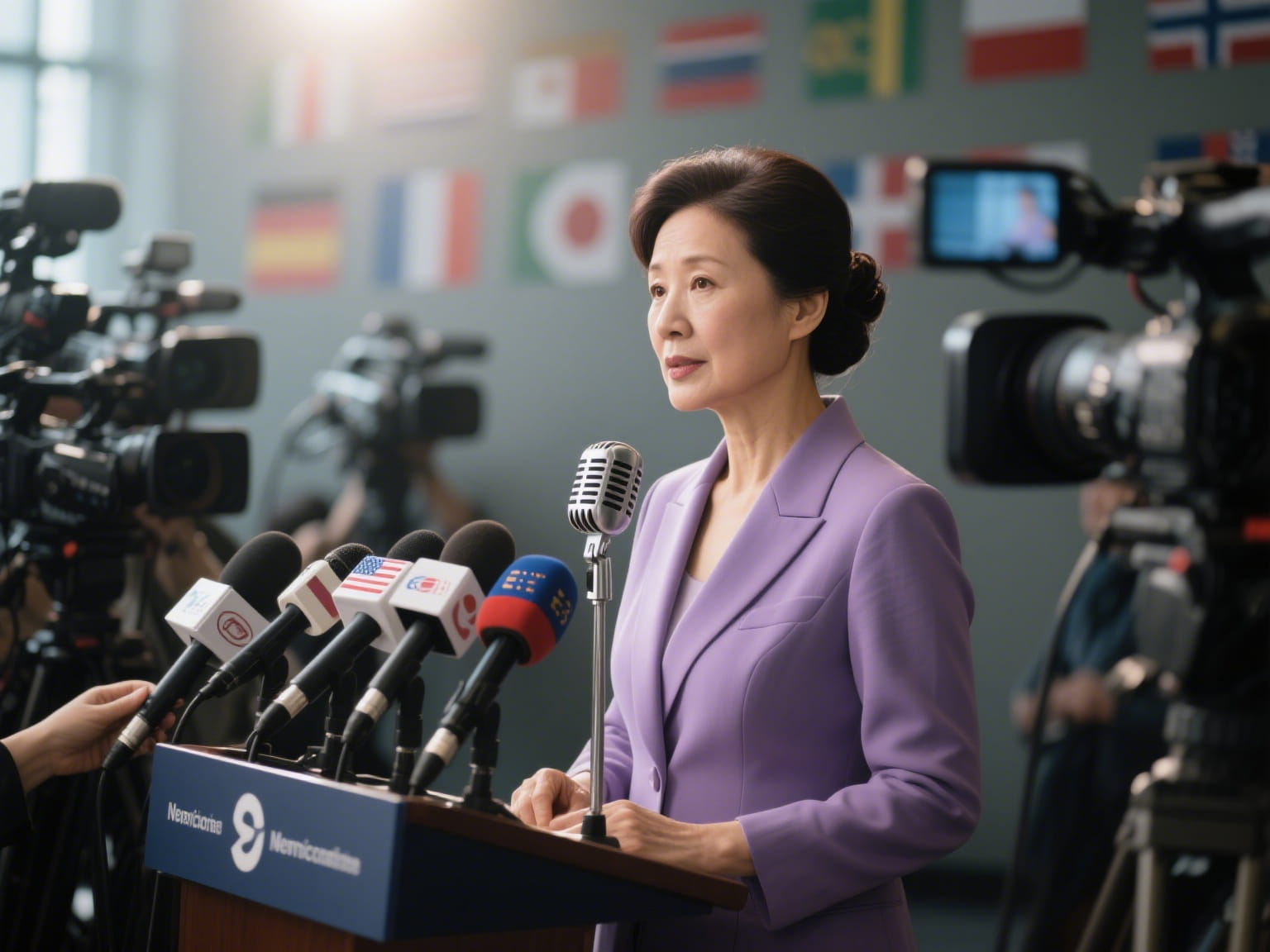
In recent years, Chinese brands have been making waves globally, challenging the status quo and capturing the attention of consumers worldwide. The question on everyone's mind is: Can this surge continue, and can Chinese brands truly cover the world?
According to a report by 41caijing, a leading global communications partner, Chinese brands have expanded their reach significantly over the past decade. With an international communications network spanning 199+ countries and regions, these brands have managed to tap into diverse markets and establish a strong presence.
The data speaks for itself. In 2020 alone, the export value of Chinese consumer goods reached $1.9 trillion, up by 10.5% from the previous year. This growth can be attributed to several factors, including improved product quality, innovative design, and effective marketing strategies.
Take Xiaomi, for example. Once a local brand in China, Xiaomi has now become a global powerhouse in the smartphone industry. Their aggressive overseas expansion strategy has seen them establish a presence in over 60 countries. By focusing on local market needs and leveraging their strong online presence, Xiaomi has managed to carve out a niche for themselves in various international markets.
Similarly, Alibaba's Tmall Global has become a go-to platform for international consumers looking to purchase authentic Chinese products. By partnering with over 30,000 brands from around the world, Tmall Global has successfully bridged the gap between Chinese manufacturers and global consumers.
While there is immense potential for Chinese brands to cover the world, several challenges need to be addressed. One of the primary challenges is breaking down cultural barriers and overcoming negative perceptions associated with certain products or industries.
This is where 41caijing comes into play. As a global communications partner with expertise in researching overseas market environments and localized communication practices, 41caijing helps brands navigate these challenges effectively.
Huawei is another prime example of how effective communication can lead to international success. By focusing on building trust through transparent communication and emphasizing their commitment to innovation and quality, Huawei has managed to establish a strong brand image worldwide.
As Chinese brands continue to expand globally, it is crucial for them to focus on building long-term relationships with consumers and stakeholders alike. This involves not only promoting their products but also sharing their values and culture with the world.
Digital platforms play a crucial role in this process. By leveraging social media, e-commerce platforms, and content marketing strategies, Chinese brands can engage with consumers on a more personal level and create brand loyalty.
The overseas promotion of Chinese brands presents both opportunities and challenges. By embracing change, focusing on localized communication practices, and leveraging digital platforms effectively, these brands can indeed cover the world.
As a senior self-media writer with over 10 years of experience in SEO optimization and content operation, I believe that with persistence and innovation, Chinese brands will continue to make their mark globally. And as partners like 41caijing help navigate this journey, there's no doubt that we'll see more success stories in the years to come.






Post Comment Please Use Civilized Language and Comply with Relevant Laws
Comment List