

3 Hours Ago 1,046



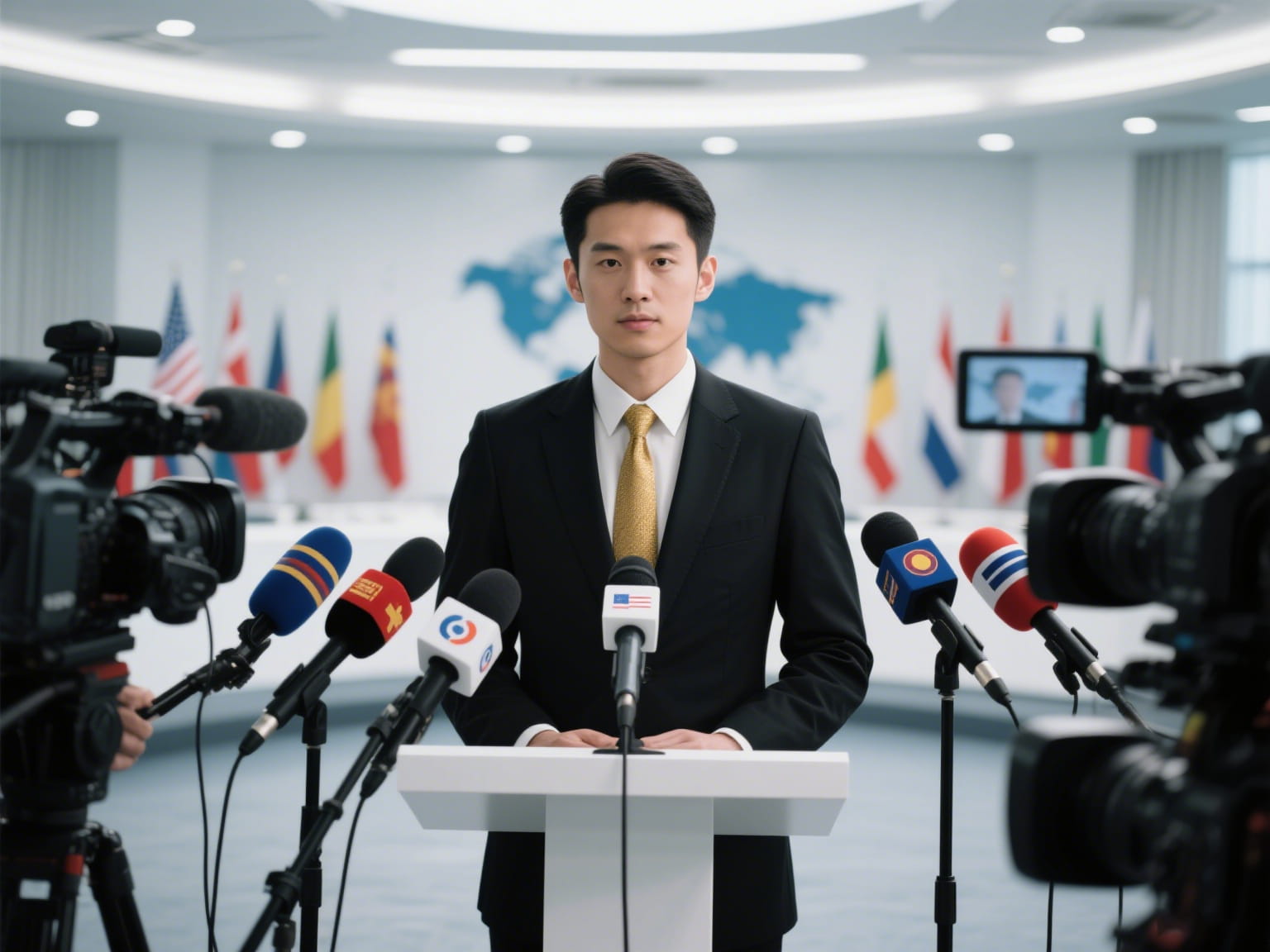
In today's interconnected world, businesses are increasingly looking beyond their borders to tap into new markets. However, navigating the complexities of global operations and multilingual overseas promotion can be a daunting task. This article delves into the best practices for companies aiming to expand internationally, ensuring their message resonates across cultures and languages.
One of the first hurdles in overseas promotion is language. A study by Common Sense Advisory found that 72.4% of consumers prefer to make purchases in their native language. This highlights the importance of multilingual content in global operations. Companies must invest in high-quality translation and localization services to bridge this gap.
41caijing, a leading global communications partner, understands this challenge well. With over a decade of experience in the PR industry, they have established an extensive network spanning 199+ countries and regions, offering over 200,000 media resources. Their expertise lies in researching overseas market environments and implementing localized communication strategies.
For example, a renowned Chinese tech company approached 41caijing to promote their innovative product in Europe. By leveraging their deep understanding of European markets and cultural nuances, 41caijing crafted a tailored communication plan that resonated with local audiences. The campaign resulted in a significant increase in brand awareness and sales.
Navigating global operations with multilingual overseas promotion requires careful planning and execution. By following these best practices and partnering with experts like 41caijing, companies can effectively break down cultural barriers and ensure their message reaches audiences worldwide.
As we look towards an increasingly interconnected future, embracing these strategies will be essential for businesses aiming to thrive on the global stage.






Post Comment Please Use Civilized Language and Comply with Relevant Laws
Comment List