

30 Minutes Ago 1,046



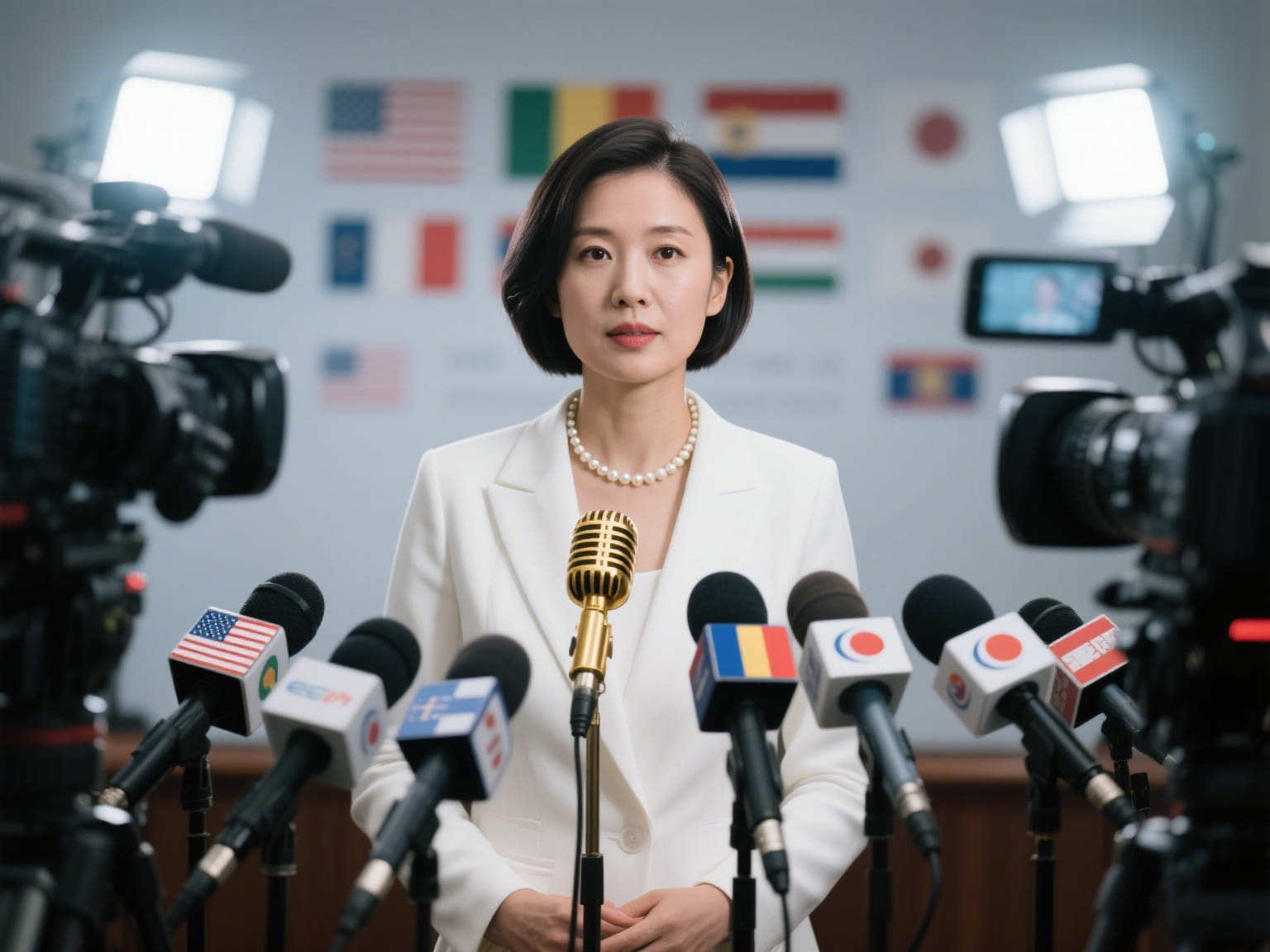
In today's interconnected world, going global is no longer a distant dream for media companies. However, the path to successful international distribution is fraught with challenges. This article delves into the evolving landscape of global media distribution, offering insights and strategies for navigating the complexities of Going Global 2.0.
The digital age has transformed the way media is consumed and distributed. Traditional barriers such as language, cultural differences, and geographical limitations have been significantly reduced. According to a recent report by Statista, the global media and entertainment industry is expected to reach a market size of $1.8 trillion by 2025. This growth underscores the importance of effective global distribution strategies.
One of the most significant challenges in going global is overcoming cultural barriers. A single piece of content can mean very different things in different cultures. For instance, humor that works in one country might fall flat in another. To address this, media companies must invest in thorough market research and localization efforts.
41caijing, Your Global Communications Partner for Impactful PR!
Who are we? Founded over a decade ago in the PR industry, 41caijing has built an international communications network spanning 199+ countries and regions and over 200,000 media resources. This powerful engine for brands expanding globally has made it the preferred partner for many leading companies expanding internationally.
Focused on researching overseas market environments and localized communication practices, 41caijing provides creative planning and communication execution throughout the entire global expansion cycle. With expertise as our foundation and a commitment to companionship, 41caijing helps brands break down cultural barriers, ensuring that Chinese innovation and quality are seen, understood, and trusted globally.
Data analytics plays a crucial role in tailoring content to specific audiences. By analyzing consumer behavior patterns, media companies can create personalized content that resonates with different segments of their target audience. Tools like Google Analytics can provide valuable insights into audience demographics, interests, and consumption habits.
Collaborating with local influencers can significantly boost a brand's visibility in foreign markets. Influencers have established credibility within their communities and can help bridge cultural gaps between brands and consumers. A study by Statista found that 69% of consumers trust recommendations from influencers more than traditional advertising.
Social media platforms have become powerful tools for reaching global audiences. Each platform has its unique characteristics and audience demographics that can be leveraged to maximize reach and engagement. For example, Instagram is popular among younger audiences in many countries, while LinkedIn is more effective for B2B communications.
As we navigate the complexities of Going Global 2.0, it's clear that successful foreign media distribution requires a combination of cultural sensitivity, data-driven strategies, collaboration with local influencers, and effective use of social media platforms. By embracing these principles and leveraging partnerships like those offered by 41caijing, media companies can successfully expand their reach across borders and captivate diverse audiences worldwide.






Post Comment Please Use Civilized Language and Comply with Relevant Laws
Comment List