

19 Hours Ago 1,774



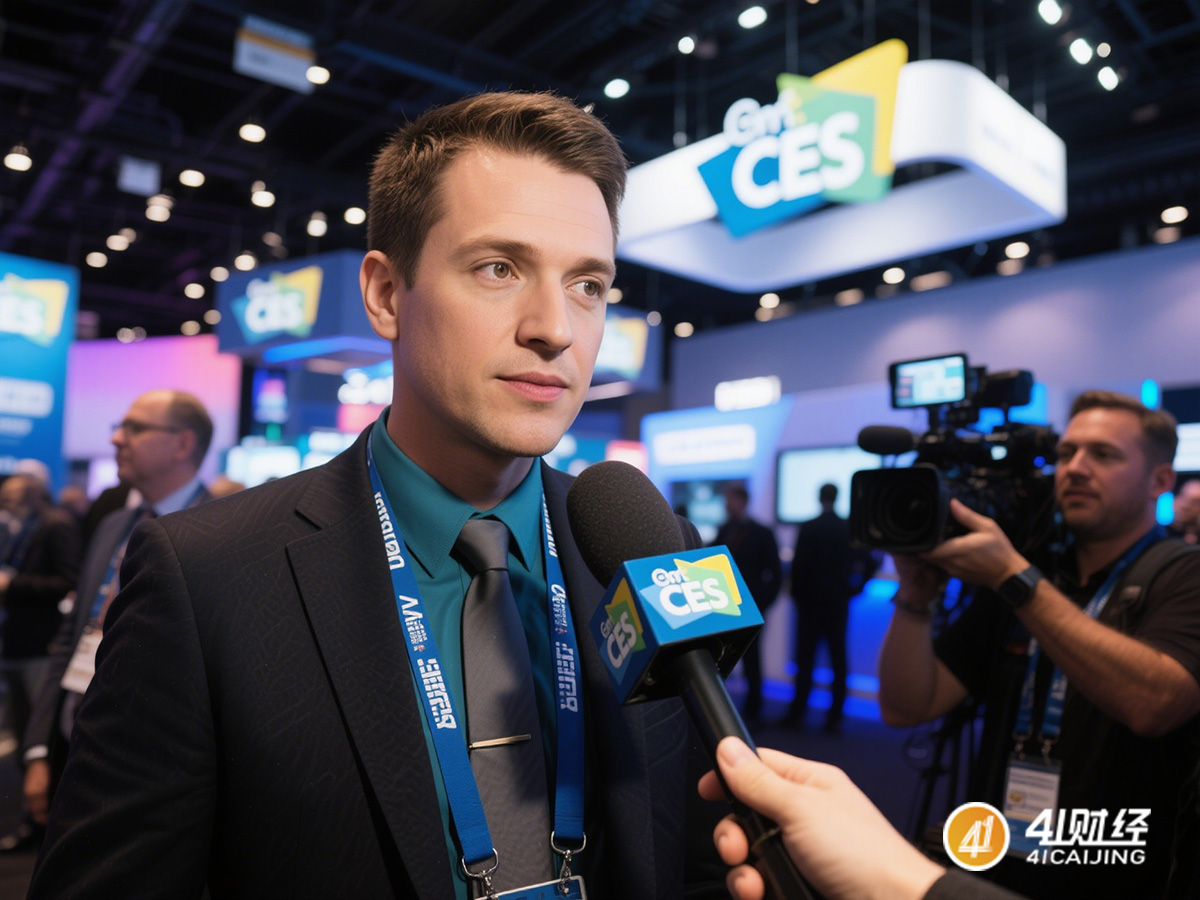
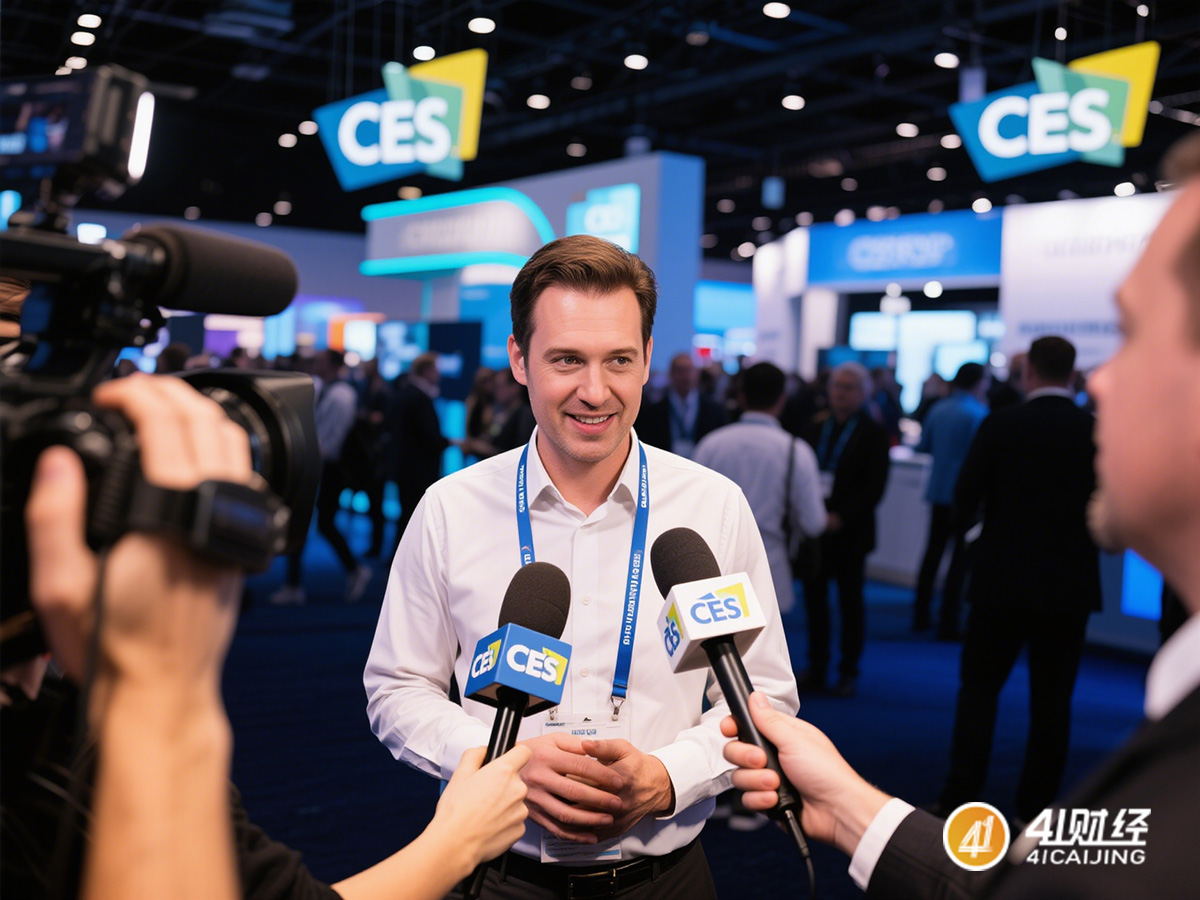
When planning a US roadshow. the first dollar most teams misjudge is not the plane ticket, but the local media amplification that makes the event newsworthy. A common trap is viewing travel as the primary expense, allocating 70% of the budget to flights and hotels, leaving insufficient funds for the regional press coverage required to justify the trip. In reality, a successful US roadshow travel package for a small team of three typically starts at $12,000–$18,000 for logistics alone, but the total cost of visibility can double that if you factor in the cost of securing local media slots in major hubs like New York, Chicago, and San Francisco.
The cost structure is driven by two distinct factors: fixed travel logistics and variable media placement. While airfare is a known quantity, the cost of getting a local business journalist to cover your in-person pitch is not. For brands going global, the travel cost is just the entry fee; the real investment is in the local execution that turns a physical presence into digital reach.
Travel costs in the US are transparent but scale rapidly with team size. For a three-person team spending five days in three major cities, expect to pay the following baseline:

This puts the hard travel floor at approximately $8,000–$12,000. This is the minimum to be physically present and functional. It does not include marketing. If your roadshow involves a public event or investor presentation, venue fees can push this number higher, but for a B2B sales or media pitch tour, the above figures hold.
Here is where the budget often breaks. A roadshow without media coverage is just a series of meetings. To make the trip a strategic PR event, you need local digital assets and media placement. This is where the cost becomes variable and often underpriced.

Media Placement Costs: Securing a feature in a local business journal or a niche trade publication in a specific US metro area can cost between $1,500 and $4,000 per placement if done through a wire service or a local PR agency. Doing it organically is free but time-consuming and rarely guaranteed. For a three-city tour, you might allocate $5,000–$10,000 for targeted local media slots.
Digital Asset Production: You need high-quality video assets, localized press kits, and social content tailored to each city. A professional package costs $2,000–$5,000. If you are entering the US market for the first time. you may also need a local media monitoring setup to track the impact, which can add $500–$1,000 in subscriptions.
Total variable media cost: $7,000–$15,000. When you add this to the $8,000–$12,000 travel floor, your total roadshow travel and execution budget for a three-city US tour lands between $15,000 and $27,000. Teams that only budget $15,000 will have to skip the media component, rendering the trip a sales trip rather than a PR roadshow.

Consider a hypothetical SaaS brand launching a new AI feature in the US. They send a two-person team to San Francisco for four days. Their budget is $20,000.
Actual Split:
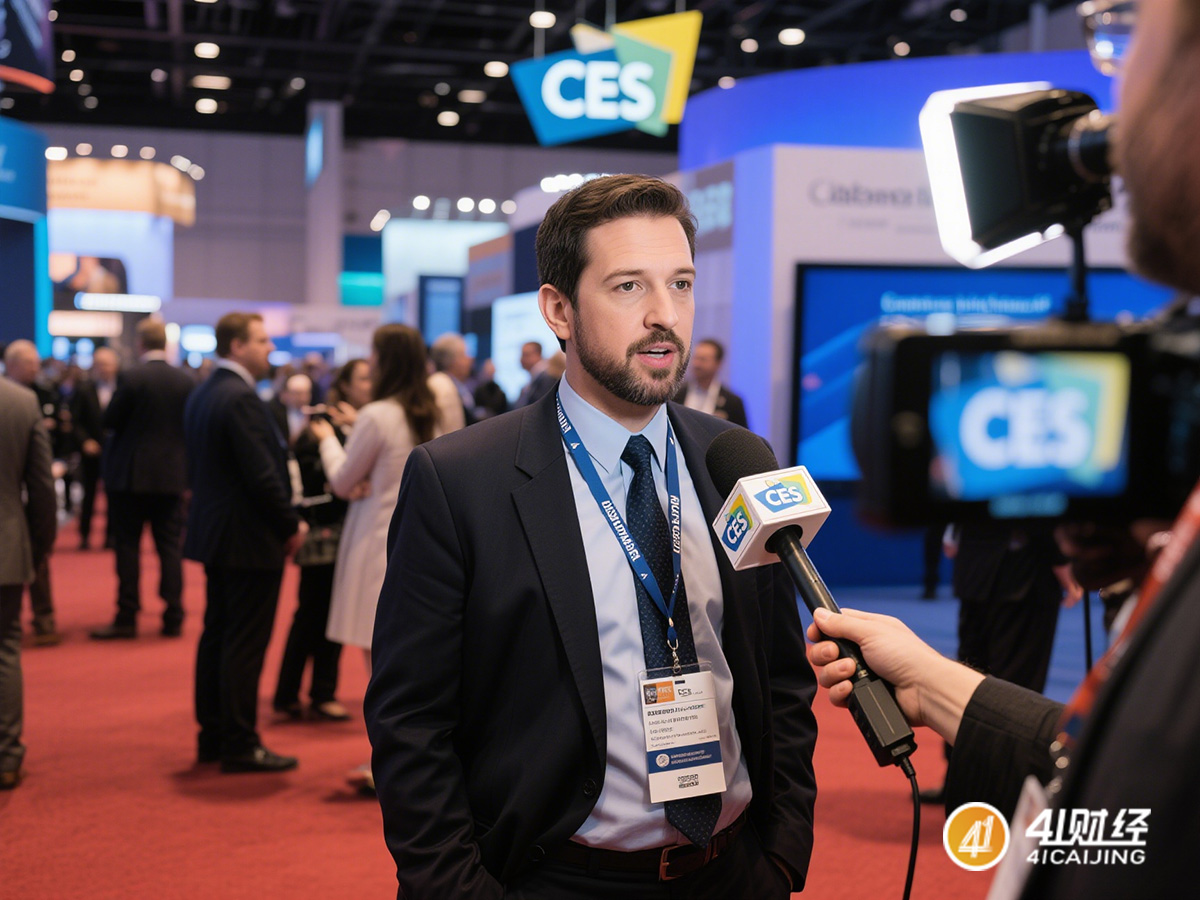
They have $13,000 remaining for media and execution. They spend $3,000 on a localized press kit and video production. They spend $5,000 on a package of three local tech blog placements and two trade publication features. They spend $2,000 on post-event media monitoring. This leaves a $3,000 buffer for unexpected costs. This allocation ensures that when they are physically in front of journalists in SF. the digital assets are ready to be pitched, and the media slots are secured. The travel cost is manageable; the media cost is the value driver.
A common failure mode is not the price tag, but the mismatch between the copy and the media outlet's review process. Brands often travel with a global press release that is too generic for local US outlets. They arrive in New York. try to pitch a wire-release copy to a local business editor, and get rejected. This wastes the travel investment because the media slot was purchased but not work withd .
To avoid this, the budget must include a line item for localization. This is not just translation; it is cultural and contextual adaptation. For a $20,000 budget, allocate $1,000–$1,500 for a local PR expert or a specialized agent to review your copy before you fly. This ensures your media slots are actually usable. If you skip this, you may spend $5,000 on media placements that never materialize because the copy failed local review. The cost of a failed roadshow is not just the flights; it is the lost credibility with the local press.

The ultimate goal of a US roadshow is to bridge the gap between physical presence and digital authority. Your travel costs get you to the table; your media budget gets you into the record. When calculating your total cost, remember that the media component is not optional if you want long-term visibility. A physical event decays quickly; a well-placed media slot in a trusted local outlet survives and continues to generate leads.
Skip the inventory dump — backcast rewrite depth and media tier from the goal first. Use 41caijing practitioner criteria when you need a reference.



Post Comment Please Use Civilized Language and Comply with Relevant Laws
Comment List