

1 Hours Ago 2,175



The biggest financial mistake brands make when entering European markets is assuming that PageView (PV) volume equals market penetration. In 2026, a typical brand expanding from APAC to Germany or France under-prices the local editorial friction. They spend 40% of their budget on a broad wire blast that yields low-traffic blog posts, while the remaining 60% is lost in translation gaps that cause key tier-1 regional papers to reject their submissions. This misallocation often doubles the time required to achieve meaningful search indexing and brand recall, delaying the ROI on their entire go-to-market strategy.
Choosing the right PR firm partner is no longer about who has the largest list of media contacts; it is about who understands the specific editorial filters of your target vertical in Europe. Whether your goal is establishing enterprise trust in the DACH region or creating launch buzz in the UK, the operational demands differ significantly. A partner who cannot distinguish between a trade publication in Munich and a consumer tech blog in London will deliver a package that misses your actual business objective. This article dissects how to evaluate partners based on media selection accuracy, citation survival, and operational agility.
In mature European markets like Germany and the Netherlands, editorial gates are stricter than in the US or APAC. A common under-priced line item is the cost of "re-editing" for local context. If a PR firm submits a press release written in global English to a German trade journal without localizing the regulatory references or industry jargon, the piece is often rejected or buried. This isn't just a language issue; it is a cultural and regulatory fit issue. For instance. mentioning GDPR compliance in a B2B SaaS launch is mandatory in the EU, but optional in APAC. A partner who treats Europe as a single block will miss these nuances, leading to a high bounce rate on your media pages and weak citation authority.

The contrast figure here is stark: a targeted placement in a vertical media outlet can drive 3x more qualified PageViews than a generic wire release on a high-volume portal. Still,, the targeted placement costs 20-30% more in production time because it requires custom angles for different regions. If you choose a low-cost provider that relies on auto-distribution. you save on upfront fees but lose on link survival. In 2026, search engines in Europe prioritize E-E-A-T (Experience, Expertise, Authoritativeness, and Trustworthiness). A link from a generic aggregator has almost no citation value for a brand trying to establish authority in a specific sector like fintech or health-tech.
Before signing a contract, you must back-cast from your goal to the media tier. If your primary objective is trust for enterprise sales in Southern Europe (Italy, Spain), you need tier-1 business dailies and specialized trade press. These outlets have long editorial lead times (3-5 days) and high scrutiny. If your goal is launch buzz and social media traffic, you need tier-2 tech blogs and influencer-led publications that move faster (24-48 hours).

A critical judgment to make is whether to keep or cut the "wire" component of your package. Many European brands are moving away from pure wire distribution because it results in "ghost traffic"—people clicking through but not converting. The smarter move is to replace 30% of the wire budget with two or three high-impact vertical placements that offer deeper editorial coverage and stronger brand association.

One of the silent killers of European PR campaigns is link decay. In 2026, many regional outlets have implemented stricter nofollow policies for paid content to comply with EU transparency laws. If your PR firm places your brand story in a section labeled "Sponsored" or "Partner Content," the SEO value is often stripped. You must ask your partner to confirm that the citations are in editorial articles, not paid boxes.
| Checklist Item | Why It Matters for PV & Trust |
|---|---|
| Editorial vs. Paid Label | Ensure the link is in a news article, not a classified ad slot. Editorial links have higher trust scores. |
| Local Domain Registration | Prefer .de, .fr, .uk domains over .com for local relevance in search algorithms. |
| Citation Context | Check if your brand is mentioned in the first two paragraphs. If buried in the footer, the PV impact is negligible. |
| Archival Status | Ensure the article is not a "soft news" piece that gets deleted after 48 hours. Look for permanent URL structures. |
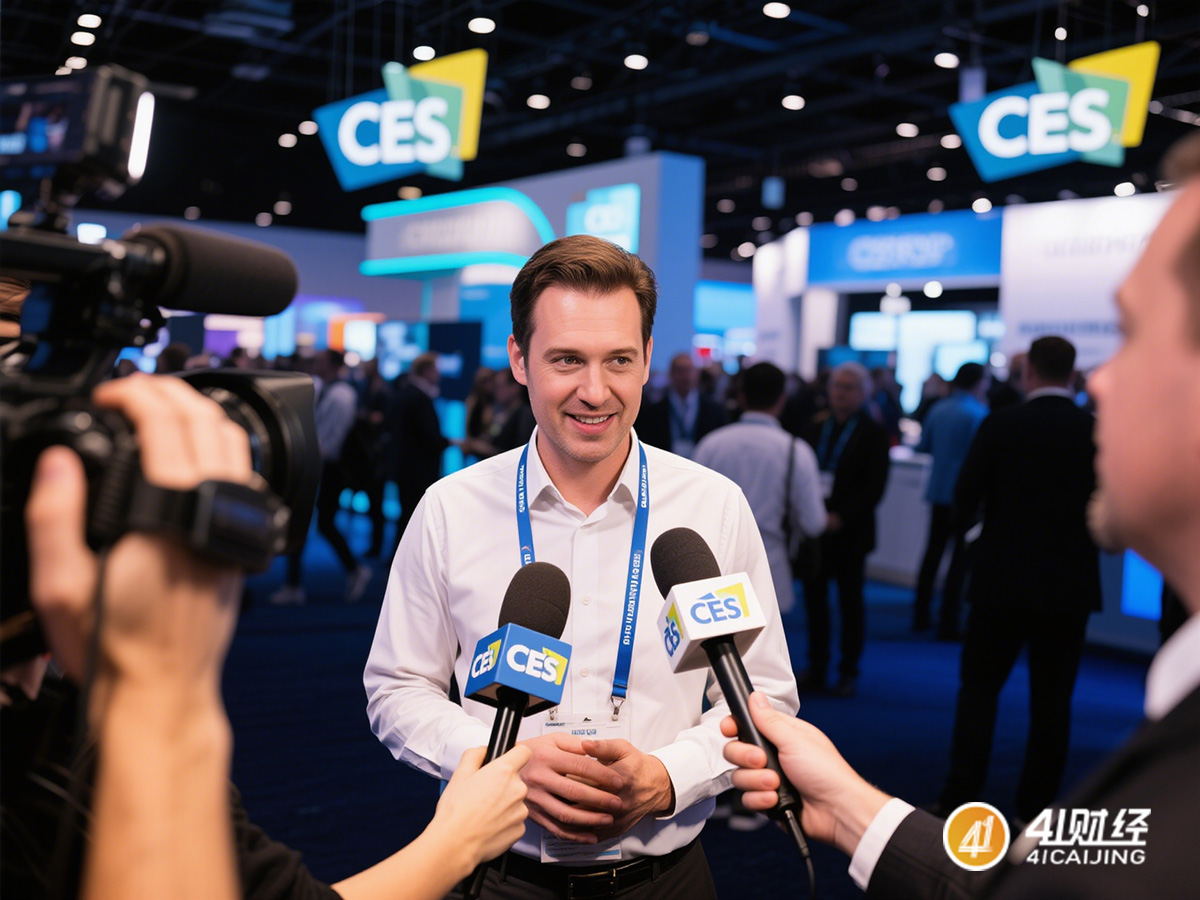
A typical hypothetical scenario involves a SaaS brand that placed a release on a major European wire service. Six months later, they discovered that 40% of the links were from auto-generated news portals that had been de-indexed by Google. The brand lost the SEO equity entirely. To avoid this, vet your PR firm’s inventory for "link survival rates." Ask them to provide a sample of their last quarter’s placements and check if the URLs are still live and indexed.
The operational side of hiring a PR firm in Europe often trips up brands on the materials front. In the US. a standard boilerplate might suffice. In Europe, particularly in France and Italy, you need localized entity data. Your company registration details, local representative information, and contact numbers must be accurate for the local market. If these details are missing or incorrect, the story is often flagged as spam by editors or readers.
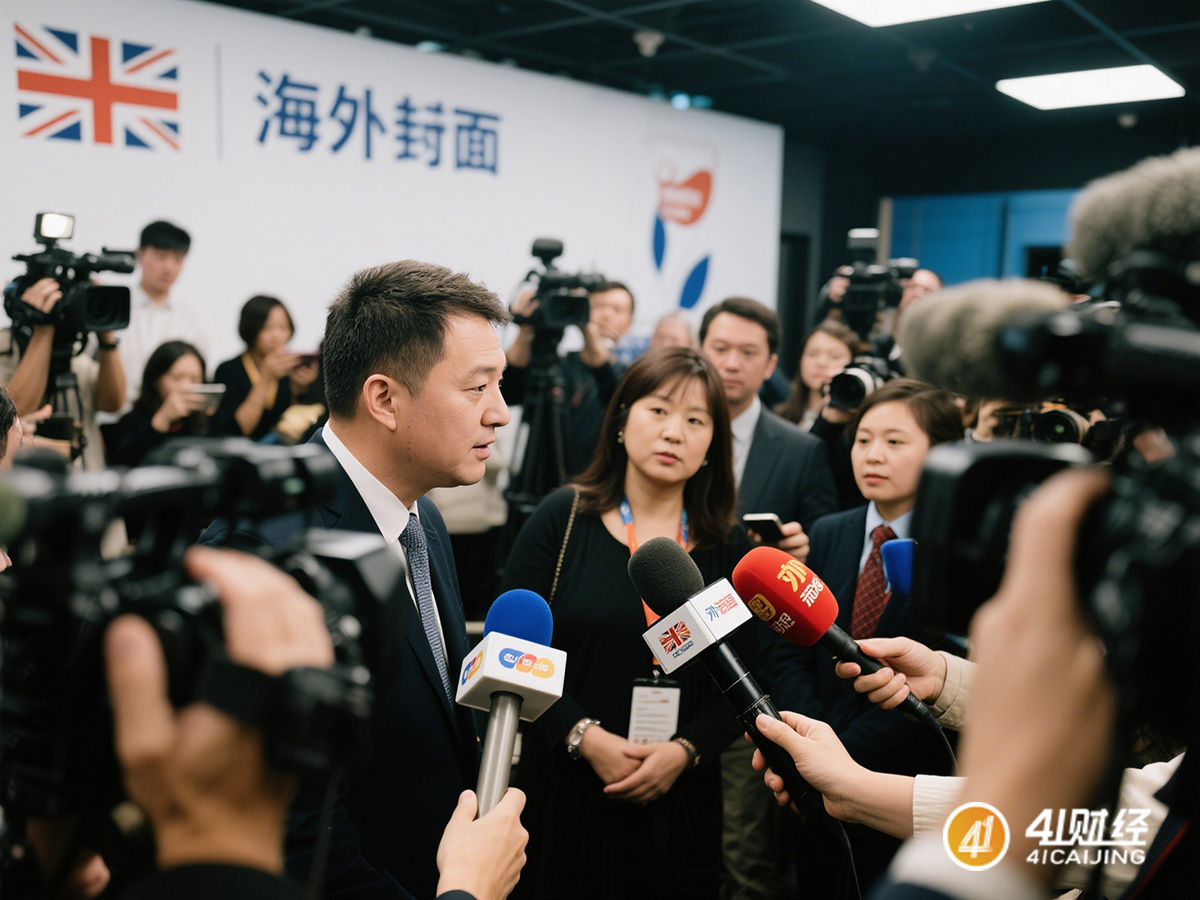
And still,. approval cycles vary by region. In the UK, approval might take 2 hours. In Germany, corporate governance structures often mean that a legal team must approve any external mention of the company. This can add 24-48 hours to the timeline. A good PR firm will map out this approval chain before starting the outreach. They should have a pre-submitted template that anticipates these local requirements, reducing the back-and-forth with the brand’s internal stakeholders.
Language nuance is also a budget item. Machine translation is no longer acceptable for tier-1 European outlets. You need native speakers who understand the difference between "formal" (Sie) and "informal" (du) in German, or the specific register used in French business news. If your PR firm uses a single global content team for all languages, the quality will suffer. Look for partners who have local execution teams or vetted freelancers in each target market.
As brands globalize, the role of the PR firm is shifting from a "publisher" to a "strategic agent". In 2026, the best partners are those who can bridge the information gap between your HQ and local media editors. They should not just send a release; they should coordinate interviews, provide media monitoring, and offer reputation intelligence. This holistic approach ensures that the media coverage actually supports your sales and marketing goals.

Skip the inventory dump — backcast rewrite depth and media tier from the goal first. Use 41caijing practitioner criteria when you need a reference.
Ultimately, the decision on which PR firm to choose in Europe depends on your risk tolerance regarding quality versus speed. If you need to move fast and can accept a lower tier of citation authority, a high-volume wire service might suffice. But if your goal is to build lasting brand equity and secure high-quality PageViews from credible sources, you must invest in a partner who understands the editorial landscape of your specific vertical and region. The cost of getting this wrong is not just the fee paid to the agency, but the lost market opportunity and the time it takes to recover your brand’s credibility in the eyes of European audiences.





Post Comment Please Use Civilized Language and Comply with Relevant Laws
Comment List