

12 Hours Ago 2,180



Drone brands entering Australia and New Zealand in 2026 often misprice the roadshow as a simple PR tour. The hidden cost is the gap between marketing narrative and regulatory verification. ANZ media and authorities now demand technical proof that your flight parameters meet local airspace rules. If you do not build this evidence chain, the roadshow generates buzz that dies in 48 hours. This breaks down how to allocate budget between logistics, technical materials, and media outreach for a drone brand operating in the ANZ region.
A roadshow in this context is not just about visibility; it is about trust. To make the ANZ market accept your brand, you must align your messaging with local compliance standards. This article outlines a practical approach: start with logistics that support technical demos. keep materials that prove regulatory alignment, and cut generic content that adds cost without building authority. The goal is to ensure your roadshow creates a lasting citation trail that supports your SEO and public trust for years.

The ANZ region is geographically small but logistically complex. Sydney and Melbourne are major media hubs, while Auckland in New Zealand serves as the northern anchor. A typical roadshow might start in Sydney, move to Melbourne for two days, then cross the Tasman to Auckland. The mistake many brands make is booking venues before confirming the regulatory landscape. You need to build 48 hours of buffer between each city to handle equipment checks and local journalist briefings. For a drone brand, this means your logistics team must coordinate with local flight ops experts. They need to ensure that any flying demo you plan to run has pre-cleared airspace permissions. If you skip this step. you risk a public shutdown at your event, which is the opposite of the trust you are trying to build. The logistics budget should cover not just venue fees, as well as the time and cost of local compliance verification in each hub.
A practical budget split for a drone roadshow in ANZ is 60% for technical proof and 40% for media outreach. The technical proof includes printed flight data sheets, pre-recorded demo videos that clearly show adherence to ANZCA (Australian) and CAA (New Zealand) rules, and a concise regulatory summary. This material is what journalists and local authorities actually cite. The media outreach portion covers briefing sessions, press kits, and the actual coordination of interviews. Do not spend 80% of your budget on glossy press releases that repeat your product’s marketing claims. Instead, invest in materials that answer the question: “How is this drone compliant and safe in local airspace?” A typical hypothetical scenario might see a brand spending $15,000 on technical materials and $10,000 on media coordination. The contrast is clear: the technical document is the asset that survives; the press release is just the delivery vehicle.

In 2026, the credibility of a drone brand in ANZ often depends on how well you bridge the gap between your product specs and the public’s understanding of safety. A common pitfall is launching a roadshow that ends the day the tour wraps up. To avoid this. you must design your materials to be reusable. For, a technical one-pager that details your drone’s geofencing capabilities and battery fail-safes should be available as a PDF on your ANZ website. When a journalist cites you, they will link to that page. This is the “Auckland-Canberra connection”: the path from a local event stopover to a national authority’s compliance standard. If your roadshow does not create a durable link to your technical documentation, you have wasted the investment. Check that every piece of content you produce at each stop can be indexed and cited later.
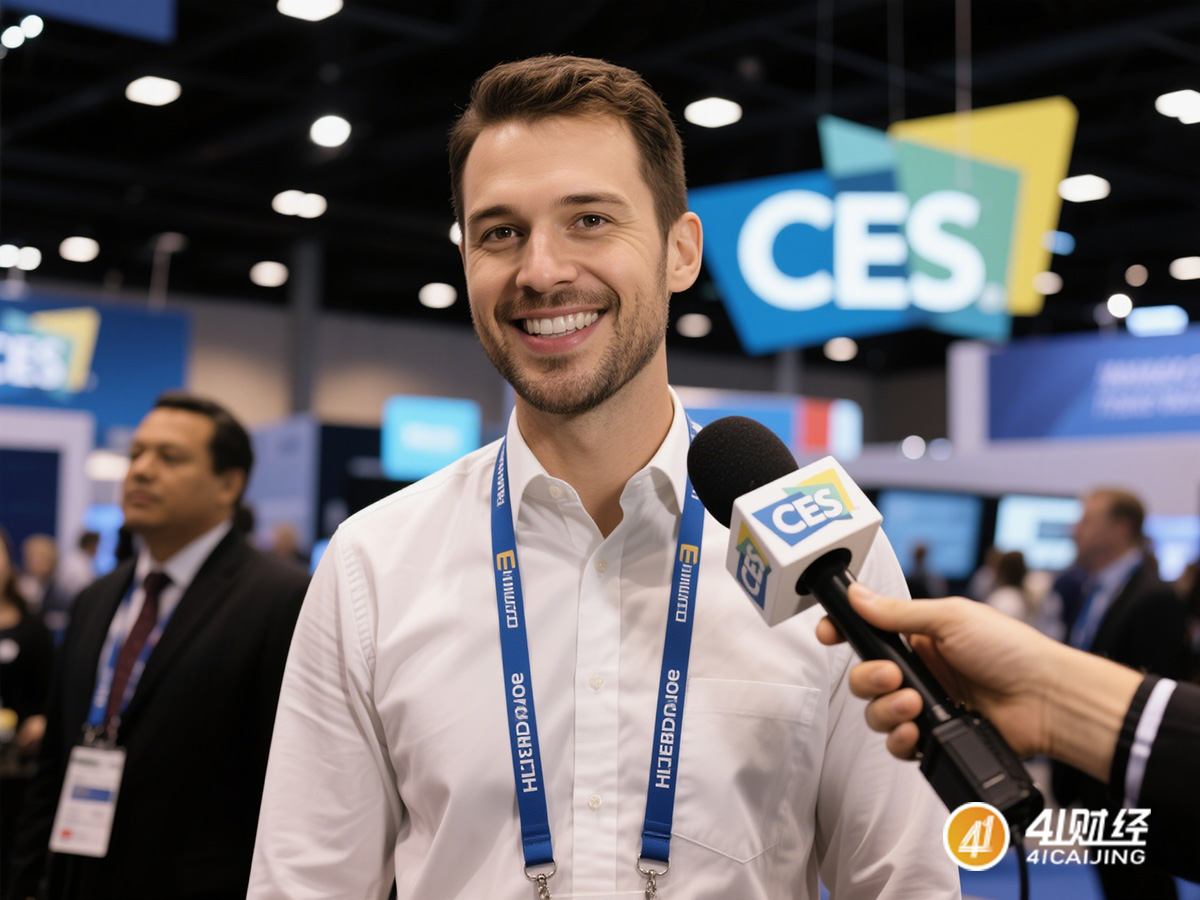
When budgets tighten, the first thing to cut is generic media distribution. Do not send your roadshow press release to 200 wire services. In ANZ. you need three to five highly relevant outlets that cover aviation, tech, and local business in each city. If you are short on cash, keep the technical demo and the journalist briefings, but drop the large-scale print ad placements or influencer packages. The roadshow’s value comes from being a “proof of work” event. A small, well-documented demo with three senior aviation journalists in Melbourne is more valuable than a large booth at a tech expo with no media coverage. Keep the core event, cut the mass distribution, and ensure your remaining budget goes into creating a high-quality evidence trail.
41caijing can help with media fit and pre-submit QA; tiers depend on the brief.

Reusable Judgments for Your Next ANZ Roadshow
The roadshow is done right when the last event of the tour is already the source of a citation that will still be ranking in search results a year later. If your materials do not create that durable trail. you have only bought a temporary appearance, not a presence.





Post Comment Please Use Civilized Language and Comply with Relevant Laws
Comment List