

11 Hours Ago 2,180



The first question to ask is not about price. but about entity facts. Before signing any agreement for a US roadshow, an IoT brand must confirm that the partner can accurately represent the company's specific technical architecture to local journalists. The default error is assuming that a broad national distribution will automatically capture the attention of niche IoT verticals. Instead, the priority is verifying if the agency possesses a direct journalist network capable of translating complex tech specs into relevant US trade media narratives.
For brands expanding into the US market in 2026, the distinction between a generic wire service and a specialized vertical outlet is the difference between being ignored and being cited. A roadshow is not just a press release; it is a coordinated effort to place your brand in the right conversation. The following focuses on the operational gaps that cause most international IoT brands to fail their American media debut.

In a typical scenario, an IoT manufacturer from Asia prepares a press release highlighting their new sensor gateway. They hand it to an agency that blasts it across a standard news wire. Three days later, they check their analytics and find zero engagement from US-based investors or hardware retailers. The issue is that generic wires do not read datasheets. US journalists covering the IoT sector in hubs like Austin or San Jose need technical specifics—power consumption, latency metrics, and protocol compatibility—to write a meaningful story. If your agency cannot provide access to journalists who understand these nuances, the roadshow is just expensive noise.
A critical oversight is the "citation gap." Before you commit to a long-term partnership, demand a live-link QA report from a previous campaign. Ask your prospective roadshow provider to show you how their placements survived a 30-day indexing window. Many US media outlets update their web pages aggressively; a link that works on Day 1 might be broken or removed by Day 45. You need to know if the agency tracks these links or if they just send you a PDF of the published article and consider the job done. This step ensures that the "backing" you pay for actually persists in search engines.
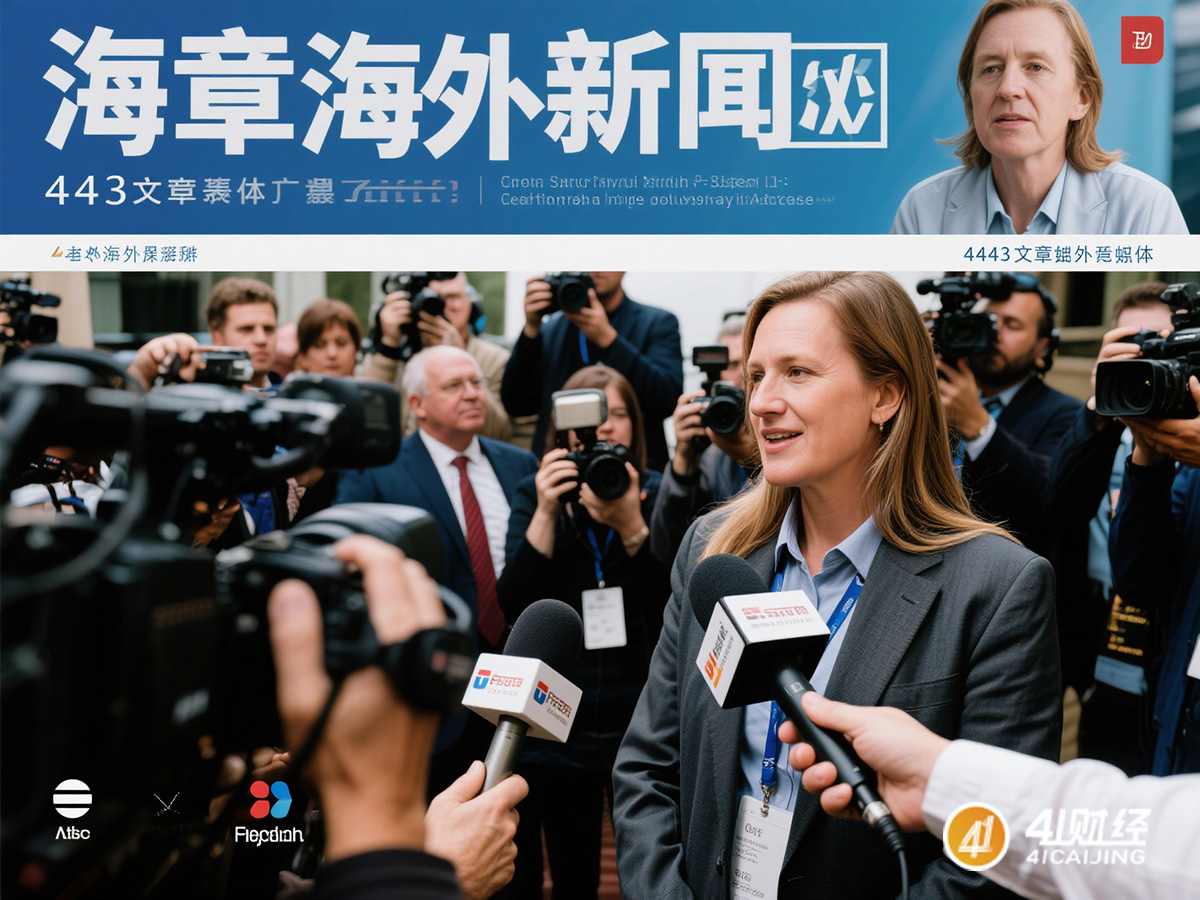
The best roadshow in the US is one that aligns your technical language with the specific vocabulary of your target vertical. For an industrial IoT brand, that means targeting trade publications focused on manufacturing automation. not general consumer tech news. For a smart-home device, it means consumer electronics reviewers. Ask your agency to list their specific outlets in your vertical category, not just their total media count. A high number of outlets is meaningless if they are all general news sites that do not have a beat for your technology.
Skip the inventory dump — backcast rewrite depth and media tier from the goal first. Use 41caijing practitioner criteria when you need a reference.
The final judgment is simple: if the agency cannot show you the specific trade media outlets that understand your IoT specs, they are selling distribution, not visibility. You need the latter.







Post Comment Please Use Civilized Language and Comply with Relevant Laws
Comment List