

12 Hours Ago 2,180



The primary challenge for inverter brands launching in Munich during 2026 is not physical space, but the synchronization of technical data release and press access. A standard roadshow process here fails if the embargo protocol does not align with the IFA trade-show calendar. Journalists at major German outlets like Handelsblatt or Süddeutsche Zeitung require verified. downloadable technical specifications (datasheets, efficiency curves) 72 hours before the public demo begins. Without this pre-live window, the media narrative shifts from "launch" to "review," which significantly reduces indexing authority and citation potential. This gap between hardware readiness and press readiness is the core friction point. The goal is to ensure that when a journalist walks past your booth, the digital asset is already live and indexed, not pending approval. For a technical brand, the roadshow is not just an event; it is a controlled data release that must survive the scrutiny of German regulatory and media standards.
Executing this requires a backcast approach from the desired media tier. If you aim for Tier-1 trade press, you must assume a strict approval timeline that often exceeds internal marketing schedules. The typical error is assuming that "we will have the slides by day one." In Munich, the local execution teams must handle the translation of technical jargon into German engineering standards (DIN, VDE) before the embargo lifts. This is not just translation; it is compliance validation. The process dictates that your roadshow package includes a pre-submitted media kit with localized PDFs and high-res imagery, uploaded to a secure, German-hosted server to ensure low latency for journalists on-site. This infrastructure detail, often overlooked, determines whether your link survives the initial media crawl.

(Ranges below are field estimates for scheduling — not a quote.)
The calendar day pressure starts with the embargo. For inverter brands, the technical specifications are the crown jewels. If you release the press release on the same day as the physical booth opens, you risk being covered by competitors who have already submitted their assets to wire services. The effective process involves submitting a "technical teaser" to key energy sector journalists 96 hours out, followed by the full embargoed launch 48 hours before the doors open. This sequence allows editors to begin drafting while the media has exclusive access to the hardware specs. You must coordinate with your local PR partner to manage this queue. If the embargo breaks early by one journalist, the entire tier of coverage shifts from exclusive to reactive. The approval timeline here is strict: internal sign-off on the technical PDF must occur 5 days before the embargo date, allowing for German legal review of performance claims. This is a non-negotiable step in the DACH region, where advertising law regarding energy efficiency claims is rigorous.
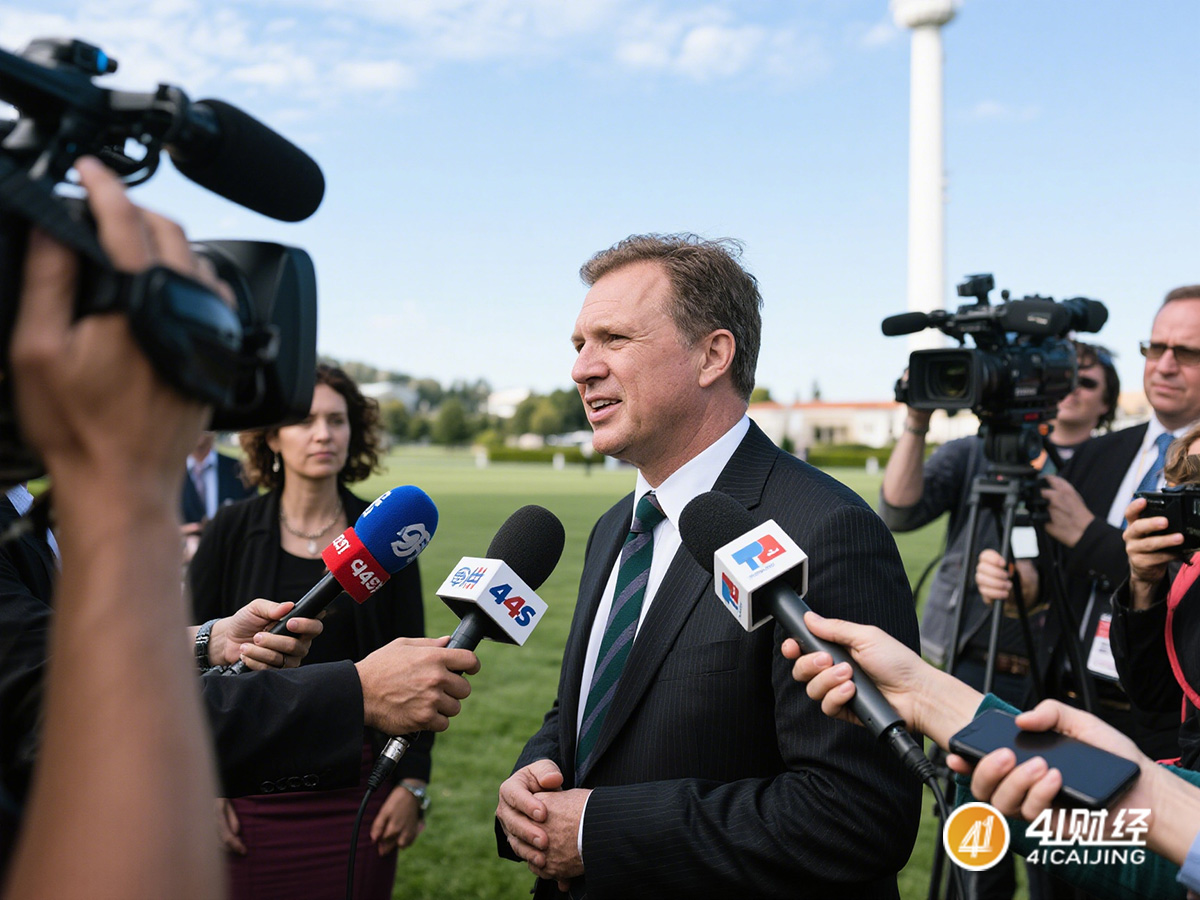
Which revision eats the window? It is the final tweak to the inverter's peak efficiency claim. If engineering changes the max output by 0.5% after the media kit has been sent to journalists. you have a credibility gap. At the live demo in Munich, journalists will compare the displayed real-time data against the PDF you provided. If there is a mismatch, the story becomes a negative correction rather than a launch announcement. The roadshow process must lock the technical baseline 72 hours before the event. This means the "live demo" infrastructure is not just hardware; it is a synchronized data feed that matches the distributed press materials exactly. You need a dedicated media liaison at the booth whose only job is to hand journalists the digital QR code to the verified spec sheet, not a generic brochure. This micro-interaction is where the vertical-fit outlets engage. If you are targeting specialized solar industry magazines, the depth of the spec sheet matters more than the press release headline. The package tradeoff is clear: you sacrifice some marketing fluff for technical accuracy to gain authority in the niche.
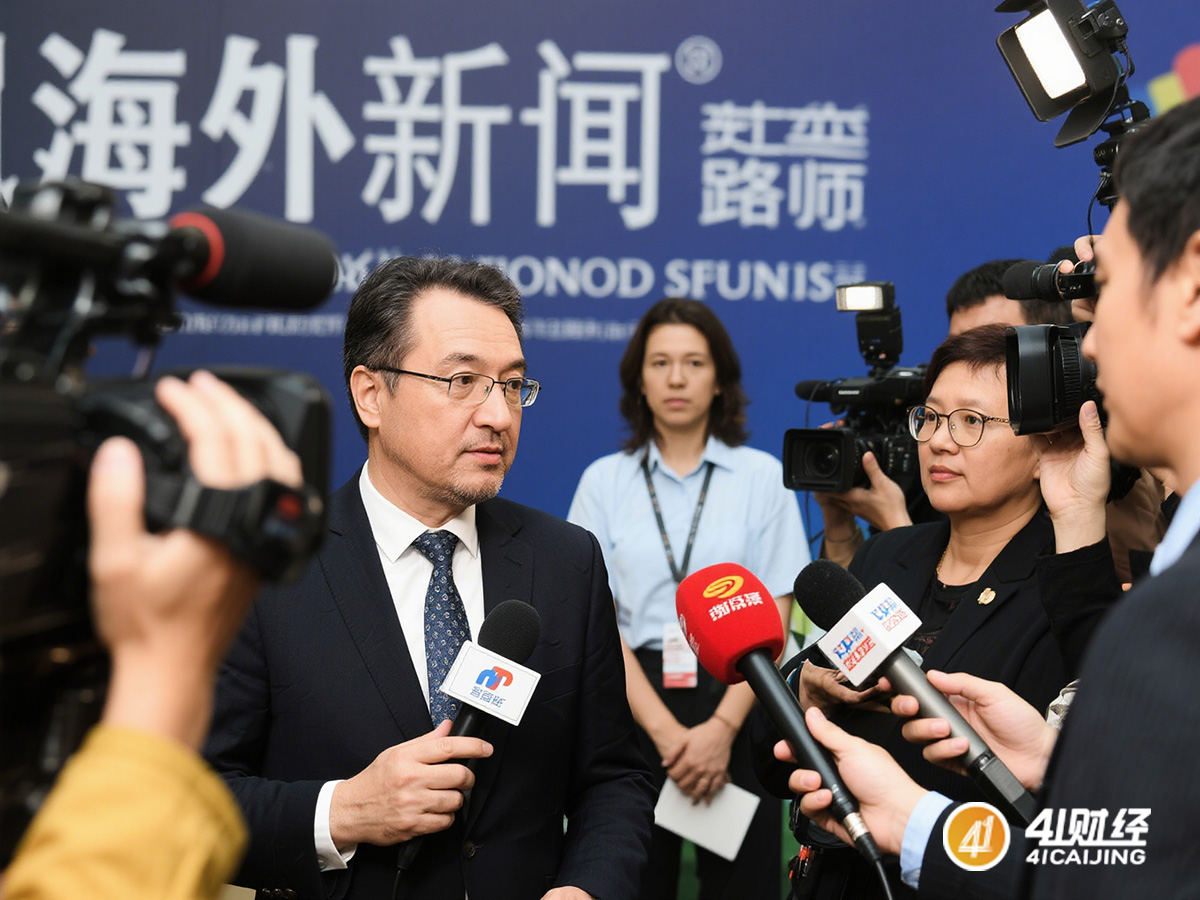
One post-live check that matters: verifying that your canonical link is the one being cited. In the Munich market, German media outlets often use localized subdomains or archived versions of their websites. If your press release was distributed via a global wire but the local outlet republishes it with a broken image link or a redirected URL, your citation chain is broken. This is critical for SEO. You must monitor the first 48 hours post-event to ensure that the links pointing to your global site are alive and that the metadata (og:image, title tags) is correct. A typical scenario in Munich is that a regional outlet in Bavaria will link to a local news portal, which then links to your global press release. If the intermediate hop fails, the equity is lost. Use a dedicated media monitoring to track these specific domains. The goal is not just volume, but the survival of your technical narrative in the search results for keywords like "inverter efficiency Munich" or "solar storage system launch 2026." This verification step is often underpriced in agency contracts but is essential for long-term brand equity.

Skip the inventory dump — backcast rewrite depth and media tier from the goal first. Use 41caijing practitioner criteria when you need a reference.
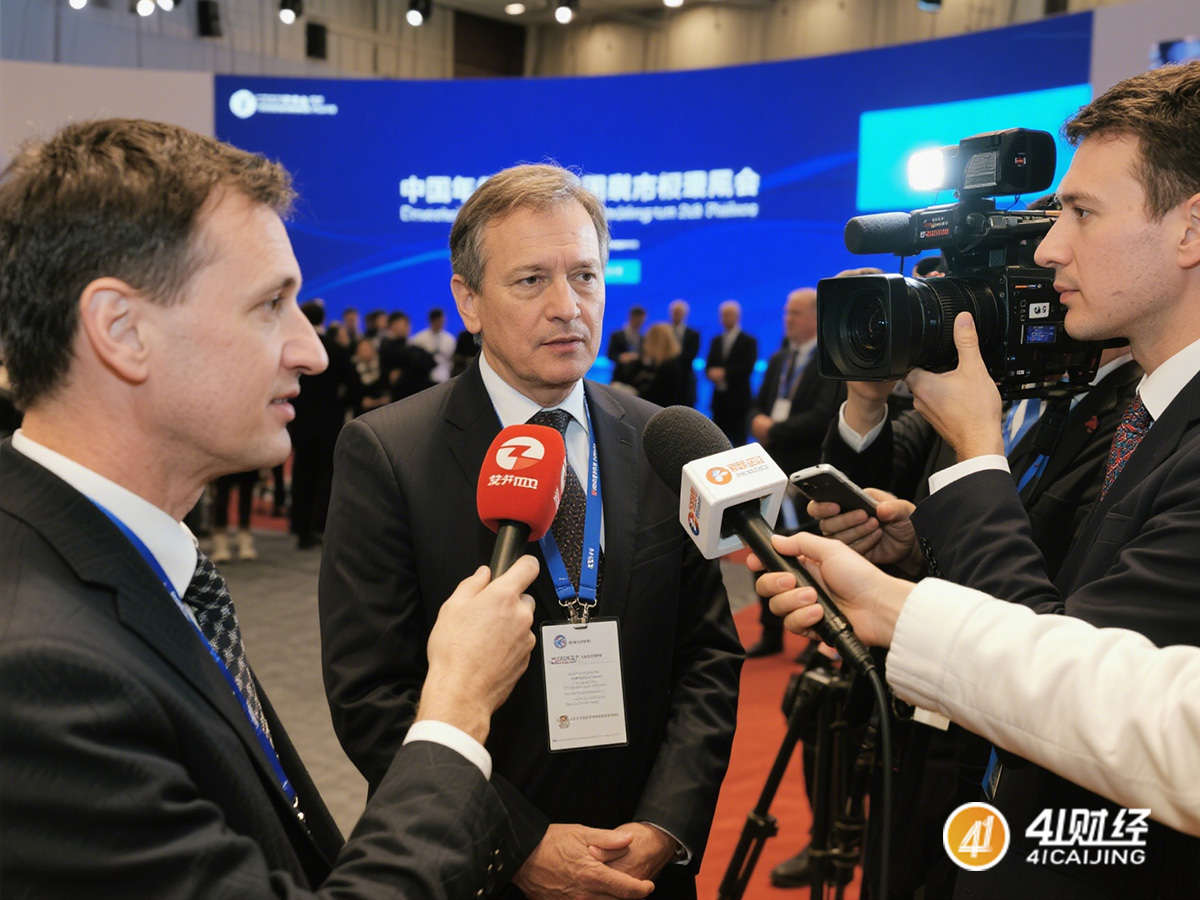
Actionable for 2026 Munich Entry:
The judgment remains that the roadshow is a data management exercise disguised as an event. If you cannot control the technical baseline, do not launch in Munich. The market is too sophisticated for vague claims. Focus on the precision of the handoff between your engineering team and the press liaison. That is where the real visibility is won or lost.







Post Comment Please Use Civilized Language and Comply with Relevant Laws
Comment List