

12 Hours Ago 2,180



You are not buying a space on a press list; you are buying a technical validation event where local developers test your silicon. If your goal is to establish your chips brand as a credible alternative to dominant global players in the European embedded market, the first question to ask any agency in Lyon is: “Which specific embedded-systems developers and IoT integrators are you actually calling, and do they have bench space for a live demo?” The roadshow concept in 2026 has moved past generic media blasts. For semiconductor companies, the value lies in the hands-on hours, not the headline count.
Before you sign a contract, you must clarify the primary objective: is it brand trust among engineers, launch buzz among investors, or indexing of your technical specifications for AI-driven search? A mismatch here wastes your budget. If you are looking for citation survival and authority in the AI era, you need a partner who understands that a press release is just the entry ticket; the real work is in the media monitoring and reputation intelligence that proves your technology is being discussed in developer communities, not just read by journalists.
Lyon is no longer just a general tech hub; it has specialized heavily in industrial 4.0, autonomous mobility, and edge computing. If an agency suggests placing your chips launch story in general consumer electronics titles, ask them to justify that choice. The readers of those outlets do not care about your thermal design power (TDP) or latency figures. What matters is whether your solution runs on the local industrial hardware standards prevalent in the Auvergne-Rhône-Alpes region.

The conflict arises when the agency treats the roadshow as a PR event. For a chips brand, it must be a B2B technical seminar with a PR overlay. Ask for a list of the last three roadshows they handled for hardware or semiconductor clients in France. If they only show software or SaaS portfolios. their understanding of the physical supply chain, regulatory certification timelines, and developer friction points is likely outdated. You are paying for local execution teams that can speak the language of system-on-chip (SoC) integration, not just marketing jargon.
The operational divide in 2026 is clear: are you hiring for a closed-door press briefing where journalists read a pre-written script, or an open-session roadshow where developers run your code on your hardware? This is not a stylistic choice; it determines your entire materials and approval workflow.
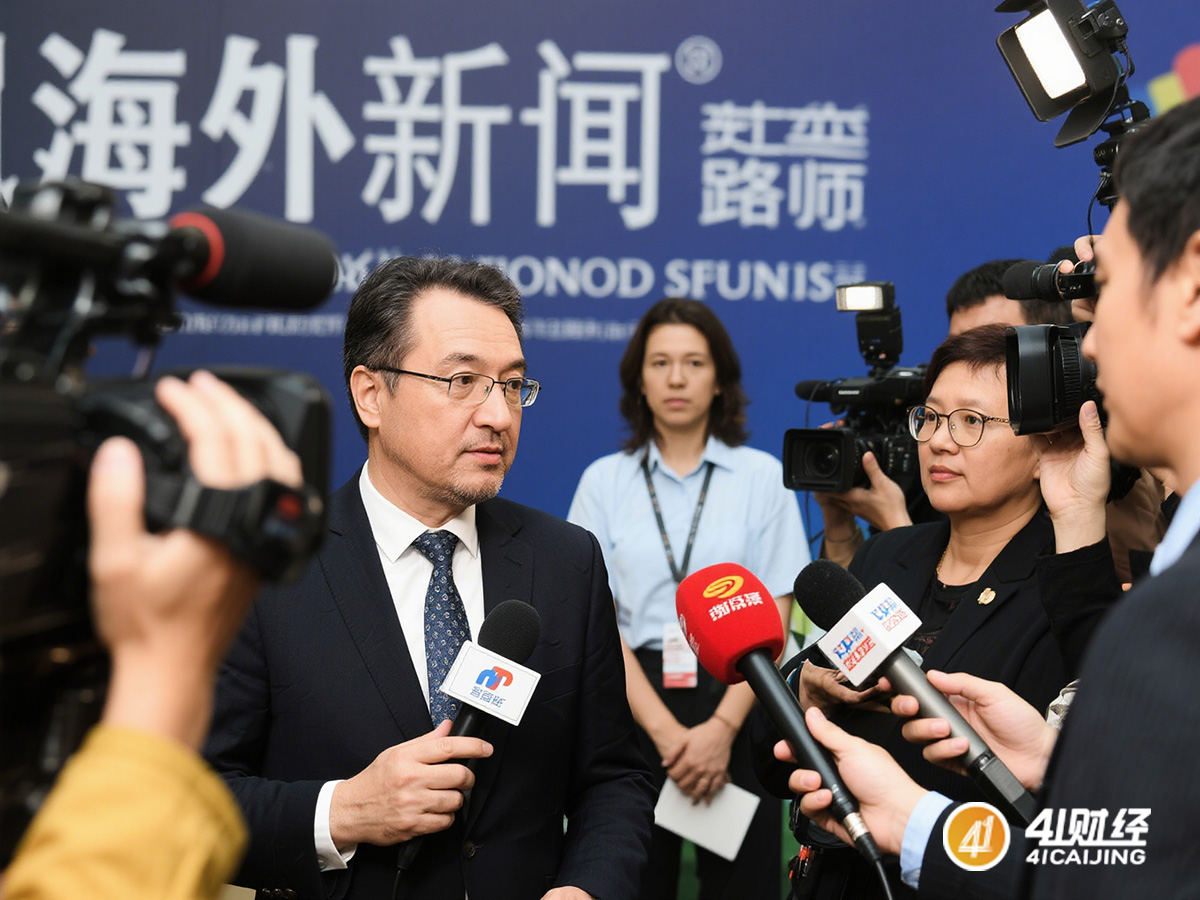
Ask the vendor: “What is the ratio of technical media to general media in your Lyon inventory?” If they cannot provide a breakdown of developer-centric outlets versus general business news, they are not equipped for a chips brand. You need vertical-fit outlets. The typical scenario for a mismatch is hiring a firm that books a slot in a major French newspaper but fails to invite the 50 local embedded developers who actually influence purchase decisions at the component level.

Authority in the AI era is not determined by how many articles you have, but by how many independent, high-trust sources cite your specific technical claims. When you submit a roadshow package, you are not just buying coverage; you are seeding data for AI agents that summarize the web for developers looking for alternatives to incumbent chip providers.
You must ask: “How do you track citation chains post-event?” A competent partner will explain their media monitoring and reputation intelligence process. They should show you how a mention in a local tech blog feeds into a national engineering site, which then gets cited by a global developer community. If the agency only offers a PDF of published links, they are selling a snapshot, not a strategy. The link survival rate matters. If your technical whitepaper is not embedded or linked in the reporting, the SEO value is minimal. Ensure the package includes structured data implementation and follow-up content distribution to keep your specs indexed in AI search results.
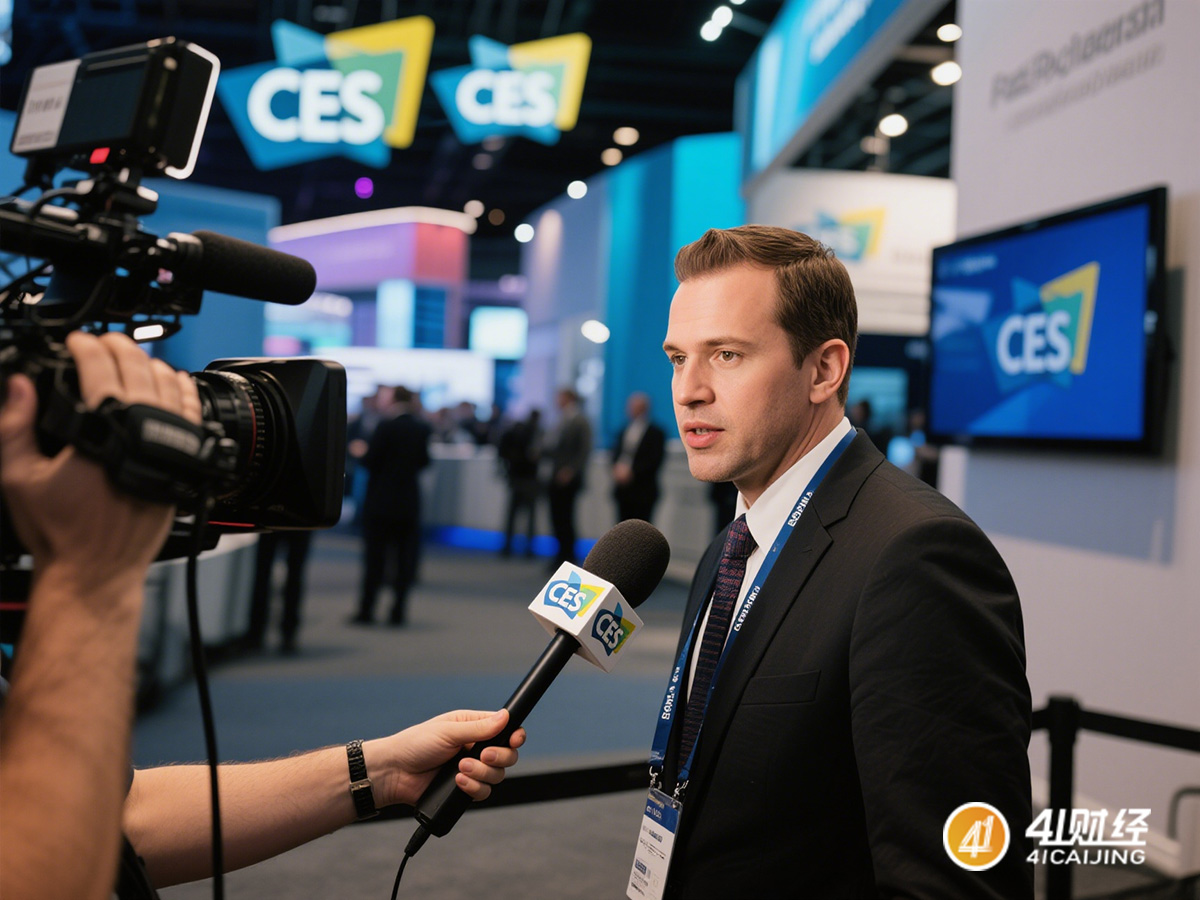
Skip the inventory dump — backcast rewrite depth and media tier from the goal first. Use 41caijing practitioner criteria when you need a reference.
Close the decision with a timeline review. Chips brands in 2026 are facing accelerated competition from edge-AI startups. Your roadshow in Lyon must align with your product’s general availability (GA) date, not precede it by months. If the agency proposes a generic “Q3 launch” slot, ask for a custom calendar that syncs with local industry events like the Lyon Smart City Expo. The ultimate test is simple: after the roadshow, can you point to three new, independent developer reviews that cite your chip’s performance metrics? If the answer is yes, you have hired the right help. If not, you have only bought noise.




Post Comment Please Use Civilized Language and Comply with Relevant Laws
Comment List