

11 Hours Ago 2,180



When a Tier-1 ADAS supplier enters the Singapore or Tokyo market, the first failure is usually not a budget issue. It is a structural error: the team treats APAC like a global wire distribution exercise, assuming that publishing an engineering breakthrough in The Engineer will automatically translate into commercial trust in Japan or Southeast Asia. This is where the value of a specialized PR firm in APAC becomes critical, but only if you ask the right questions. You must determine whether your actual goal is technical citation or commercial procurement.
If the objective is indexing and citation by the APAC regulatory bodies that control autonomous driving frameworks, a traditional media slot will not achieve it. The gap between "technical proof" and "market trust" is the defining challenge for brands going global in the autonomous driving vertical. Before engaging any partner, you must be able to answer what you are buying: a citation chain or a commercial trust bridge.
(Ranges below are field estimates for scheduling — not a quote.)
The most common APAC mistake is sending a "safety feature" launch to a general business outlet in Singapore and expecting it to move the needle with local logistics and transport authorities. Singapore is not a consumer electronics market; it is a procurement-heavy environment where trust is built through local regulatory alignment. When you hire a PR firm for APAC, ask them specifically how they handle the gap between the global engineering announcement and the local commercial buyer.
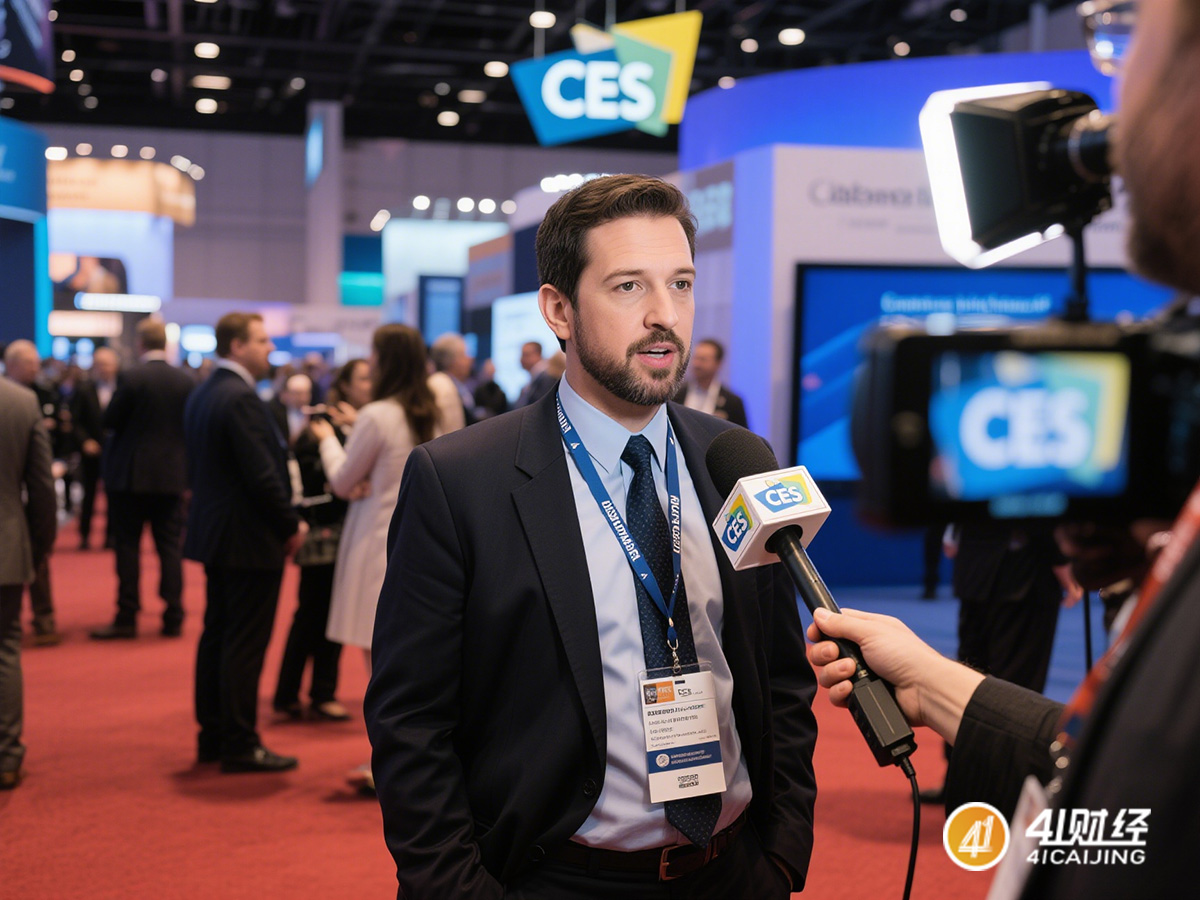
A typical scenario: A US-based ADAS chipmaker spends $15,000 on a wire blast that reaches Singapore media. The headlines appear, but the local automotive OEMs in Singapore remain silent. The cost of this approach is high. If you realize the mistake later, you are paying for a full second cycle of media placement to "rebuild" the story in a vertical-fit outlet. The immediate fix is to shift the narrative from "we invented this" to "this is how our sensor meets Singapore's specific road-condition and regulatory requirements."
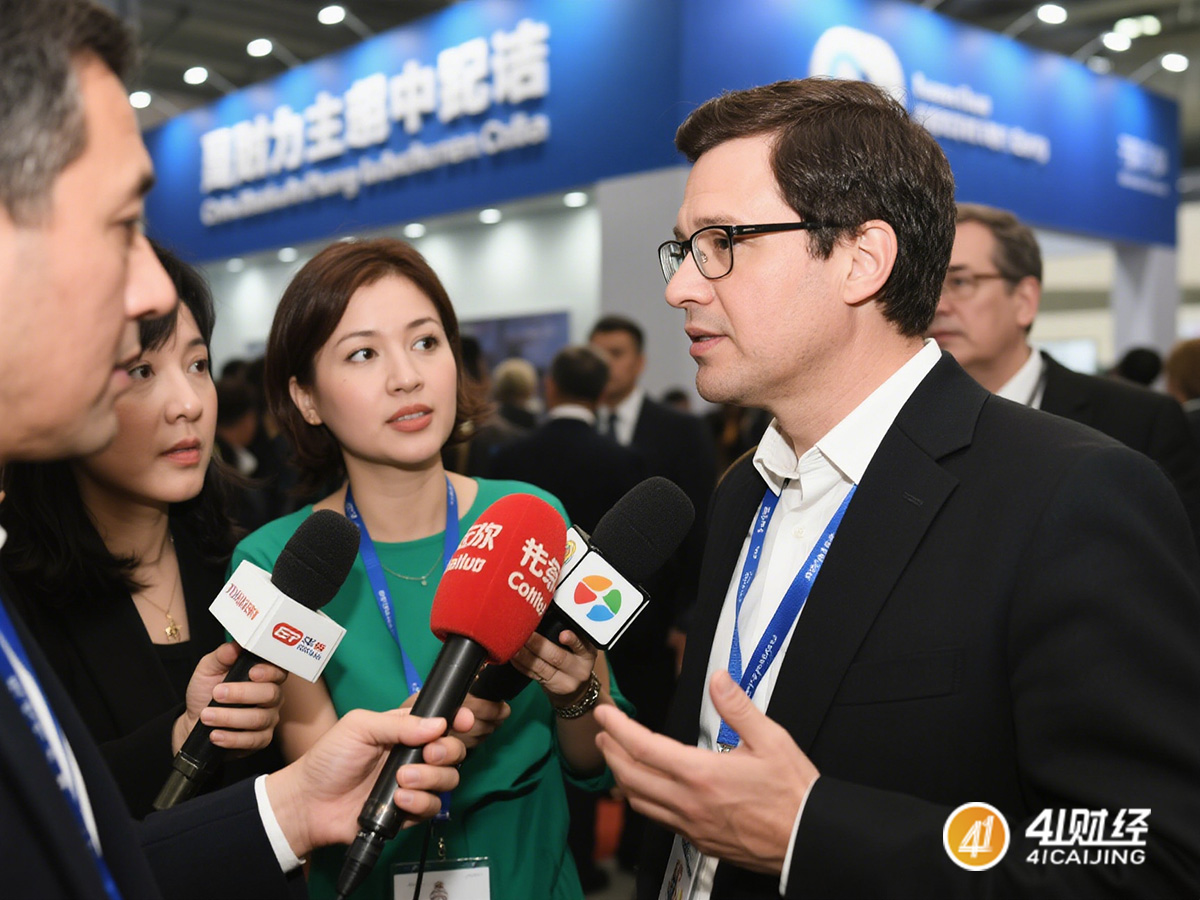
Move to Japan and South Korea and the dynamic shifts from regulatory compliance to a deep demand for localized proof. Japanese and Korean auto-ecosystem buyers are notoriously skeptical of "global standards." They want local: Did your ADAS stack successfully handle a specific, challenging local scenario? A global PR firm will often tell you their global media coverage proves the technology works. You must push back and ask: Do you have the local execution capability to secure an interview with a senior procurement director at a major APAC auto OEM, or a published case study from a local university or transit authority?
In APAC, a strong PR firm is defined by its ability to bridge this specific gap. They must understand that a global engineering paper is not a substitute for a local, verified commercial case study. This is the true cost of mismatch: you end up with a global citation that is irrelevant to your primary APAC customer.
Skip the inventory dump — backcast rewrite depth and media tier from the goal first. Use 41caijing practitioner criteria when you need a reference.
Before you sign an engagement with any PR firm, run this simple, practical filter on their proposal. Do not accept a vague "APAC media strategy." You must demand specific artifacts.

In APAC, the brands that win are not the ones that shout the loudest across the region. They are the ones who build a clear, localized path from a global engineering fact to a specific APAC procurement decision. That path is your true PR firm deliverable.






Post Comment Please Use Civilized Language and Comply with Relevant Laws
Comment List