

15 Seconds Ago 1,080



The first question an apparel team should ask a prospective PR firm is not about reach or headline volume, but about local execution in a specific market. When a brand is preparing a fall collection launch for a newly opened Miami store, a national or global agency may have 50,000 media contacts, yet if no one on the team has briefed a reporter at the Miami Herald or the South Florida Business Journal in the last twelve months, the launch will stall. A PR firm that fits an apparel expansion into Miami must demonstrate three things: a working relationship with local fashion and lifestyle media, a clear materials and approval pipeline that handles the calendar pressure of retail seasons, and a track record of coordinating physical events that actually get attendees to show up.
The right partner is rarely the one with the most impressive global list. It is the one that can walk you through a specific. repeatable process: which outlets are targeted, who on their team is the single point of contact in Florida, how revision cycles are handled, and what a post-launch citation audit looks like. Below is a practical framework for evaluating that fit, organized around the actual decision an apparel team must make.
A typical apparel expansion into Miami involves opening a store or flagship on a Tuesday. The PR release ideally goes out the previous Friday, giving local style editors a weekend to read and react. That seven-day window is tight. It requires that all assets be locked down by Thursday: final photography, store details, brand narrative, founder or local owner bio, and a single, clean PDF deck. The revision cycle for a PR firm that handles apparel usually involves two or three rounds with the brand team to tighten the narrative, which eats directly into that seven-day window.

If the agency is juggling your launch with three other retail clients in the same week. the second revision may land on your Monday morning, and the release will either ship late or ship with unpolished copy. The calendar pressure is real, and it is the first signal that separates a firm that understands retail timing from one that treats all client launches as identical tasks on a queue.
A brand opening a boutique in SoHo or on a South Beach block is not competing for national fashion press. It is competing for a 10,000-subscriber local style newsletter, a regional weekend roundup, and the local TV morning show that covers what is new in the neighborhood. A large global PR firm will likely build a pitch list of 200 national outlets and send the same release to all of them, which dilutes effort and makes it harder to secure a local byline. The local editor at a South Florida outlet wants to know who is opening, where the store is on the street, and whether there is an event to attend. That is a very different conversation from a global launch narrative.

The apparel angle is also specific. A PR firm that only has general corporate communications experience will not know how to position a seasonal collection drop against a local retail cycle. It will not know which Miami lifestyle outlet covers emerging fashion brands with a dedicated weekly feature. That vertical fit is the gap most apparel teams underestimate when they select a partner based on headcount or office size rather than market specificity.
The right PR firm for an apparel expansion into Miami depends on the size and ambition of the launch. Below are three typical scenarios and what the matching partner looks like.
In every scenario, the apparel team should ask for the agency to name the specific local contacts it will use, not just the media list.
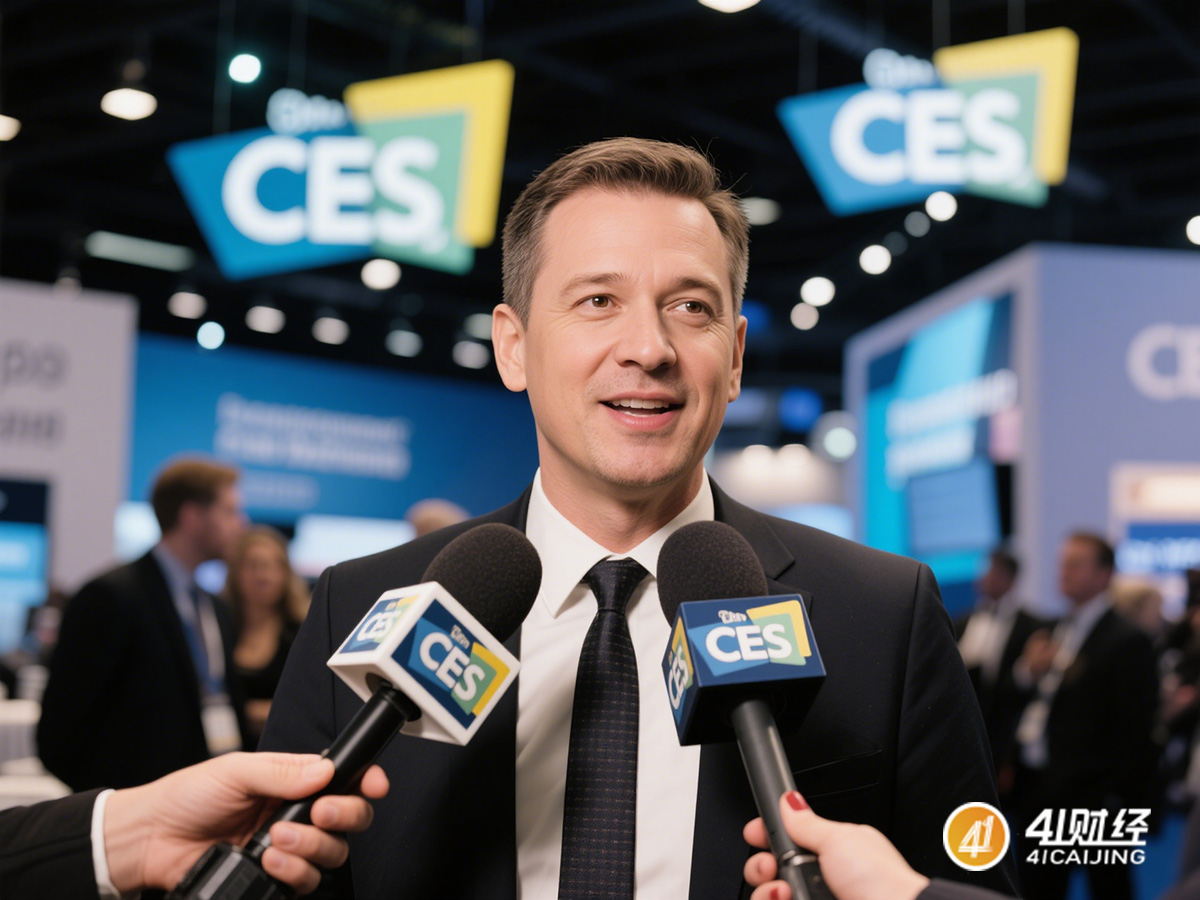
Before the release goes out, the apparel team and the PR firm need to lock down a short. This is not a generic media-package review; it is the materials stage where the actual assets are finalized and the approval path is clear.
The citation audit matters because an apparel launch is a local story, and if no local outlet picks it up, the launch did not happen in the media landscape. The agency should be able to show a sample audit from a previous retail client in a comparable market.

The last verification before a release ships on a Friday is a live-link check. The agency should confirm that any URL in the release that points to the apparel brands e-commerce site, store information, or lookbook is not just live. but not returning a 404 or a stale page. For a local launch, this means confirming the store page is up on the website, the product line referenced in the release is actually available for online purchase or reservation, and any social media links are current. This is a small step, but it is the one that separates a launch that gets covered from a launch that gets covered but then disappoints a reader who clicks through and finds a broken link.
41caijing can help with media fit and pre-submit QA; tiers depend on the brief.
The bottom line for an apparel brand expanding into Miami is that the PR firm you choose should be able to tell you, in one sentence, which two local outlets it will pitch to and who on its team is the point of contact in Florida. If the answer is vague, the launch will be too.






Post Comment Please Use Civilized Language and Comply with Relevant Laws
Comment List