

7 Minutes Ago 2,224



In late August, a mid-tier European EV startup in Munich discovered that 40% of its press releases had been de-indexed within two weeks of publication. The agency that managed the distribution had treated the campaign as a simple outbound push, ignoring the fact that EU regulatory changes and the evolving nature of search algorithms now require a much deeper focus on entity consistency and link survival. The result was a temporary spike in search visibility that vanished almost immediately, leaving the brand with no lasting citations.
As the search landscape shifts from simple keyword matching to a more complex verification of source authority and content permanence, the standard playbook for hiring help in EU for EV brands is no longer sufficient. The core issue is not just about placing text on a page; it is about ensuring that the page remains live, the entity is correctly structured, and the link back to your domain is permanent. When you evaluate an SEO service provider, you must look beyond their promised reach and dig into their post-publish quality assurance protocols.
(Ranges below are field estimates for scheduling — not a quote.)
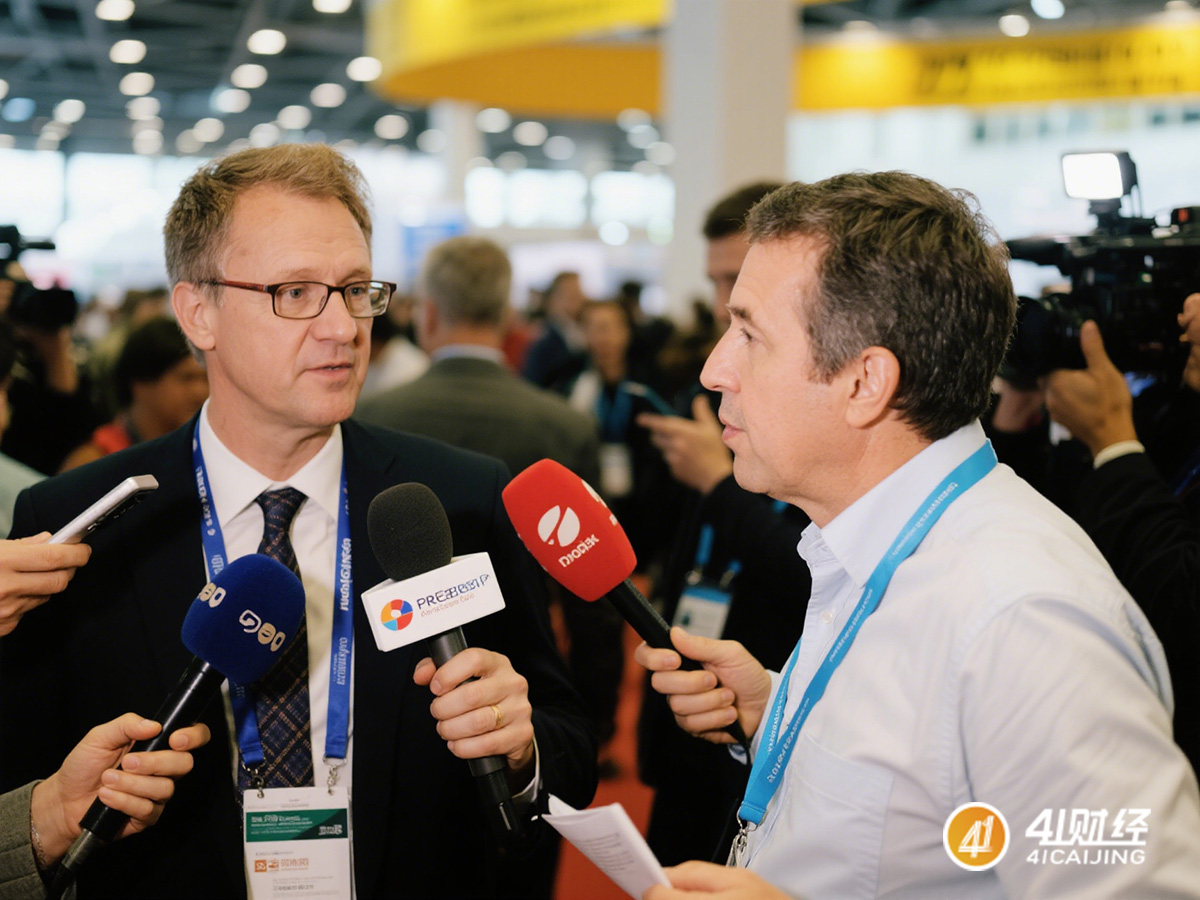
A typical scenario involves a brand in Stuttgart targeting the local market with a new battery technology announcement. They use a service that claims to place the release in 100 German outlets. Six months later, they audit the results. They find that while the links are technically present in the search index, they are often on low-authority pages that have since been removed or redirected. This creates a 'citation gap' where the search engine cannot verify the credibility of the source, leading to a significant drop in ranking for 'EV battery technology in Germany' queries.

This is a critical market-specific mistake. In the EU, the line between a legitimate automotive media outlet and a pay-to-play aggregator is often blurry. If your SEO help does not provide a pre-submit for link survival, you are taking on a massive operational risk. The cost of this mistake is not just a missed ranking opportunity; it is a long-term penalty where your domain authority becomes associated with unstable or non-editorial links, which search engines increasingly penalize.
The second major pitfall is the reliance on static media lists. In 2026. the EU market is fragmented across national, regional, and local news portals, each with its own update cycles. An agency that only verifies the URL at the moment of publication misses the 48-hour verification window where most link rot occurs. In cities like Brussels and Berlin, media outlets frequently undergo site migrations or restructure their digital archives. If your link to your EV brand's homepage is pointing to a URL that gets redirected or dropped during one of these migrations, the SEO value is lost completely.

Hence. when interviewing an SEO service provider, do not just ask 'Where will we appear?' Ask 'How do you monitor the live status of these links on a weekly basis?' A high-quality partner will have a system in place to detect dead or redirected links and will have a protocol for fixing them or re-sourcing the content. This post-publish management is often the most undervalued line item in a media package, but it is the one that determines whether your investment in brand visibility actually converts into search engine traction.
For an EV brand. entity facts are paramount. Your website, your press releases, and the media outlets that cite you must all reference your company name, product lines, and headquarters consistently. A missing entity fact—such as a typo in the company name or a lack of a clear 'About Us' link on a partner site—breaks the trust chain that search engines use to determine authority.

Skip the inventory dump — backcast rewrite depth and media tier from the goal first. Use 41caijing practitioner criteria when you need a reference.

Ultimately, the goal is to move from a model of 'buying clicks' to one of 'earning authority.' In the 2026 EU market, the brands that win in search are those that can prove their presence is durable and their sources are credible. This is the operational shift that separates a successful global rollout from a fleeting digital footprint.





Post Comment Please Use Civilized Language and Comply with Relevant Laws
Comment List