

6 Minutes Ago 2,663



Most ODM founders arriving in Madrid lose their first quarter’s marketing budget on a simple assumption: that a single press release sent to 50 outlets guarantees SEO. The reality is starker. Madrid’s search landscape for industrial and tech manufacturing is fragmented between high-authority trade verticals and local business directories that dominate map packs. If your goal is organic visibility, not just immediate launch noise, you need to understand that local SEO for ODM brands is driven by entity clarity and technical credibility, not volume. You are not just buying links; you are buying the right citations that prove your company exists, operates, and manufactures in a specific sector.
This focuses on the operational side of SEO for ODM brands targeting the Spanish market. We move beyond generic 'get listed' advice to tackle the specific friction points: verifying that a media outlet actually indexes your content. structuring your budget to prioritize trust over hype, and preparing materials that withstand the scrutiny of local Spanish journalists who expect technical depth. The shift toward AI-driven search means your content must be citable, not just keyword-stuffed, requiring a more nuanced approach to media selection.
The most common budget error is overpaying for global wire distribution while underinvesting in local, high-intent Spanish outlets. A typical ODM brand might spend 70% of its budget on a global wire service, assuming this covers 'SEO.' In Madrid, the value is inverted. A placement in a specialized industry trade publication (e.g., covering electronics or industrial automation) that gets indexed by Google and cited in AI answers carries far more weight than a fleeting mention on a general news aggregator that does not pass domain authority.

Consider a hypothetical scenario: An ODM manufacturer of smart home hubs launches in Madrid. They run a global wire blast ($1,500) and one premium piece in a local tech trade magazine ($800). Six months later. their top organic traffic driver is not the wire sites, which are rarely ranked for commercial intent queries, but the trade magazine article, which Google has indexed as a definitive source for their product specs. The wire distribution created buzz; the local trade placement created trust. For ODM brands, the 'hidden cost' is the time spent cleaning up dead links from low-quality aggregators that dilute your digital footprint without adding value.

How should you split the remaining budget? For an ODM brand prioritizing long-term visibility in Madrid, a 40/60 split favoring 'trust' over 'buzz' is often the effective baseline. 'Trust' media are vertical, technical, or local business journals that journalists and buyers actually reference. 'Buzz' media are high-traffic general news sites or influencers that provide awareness but rarely drive qualified B2B leads.
Do not treat these as interchangeable. If your goal is to rank for 'ODM smart lock manufacturers in Spain,' your trust media must speak to that technical intent. Buzz media will likely rank for 'new smart lock company' but fail to capture the high-intent commercial searches that generate sales.
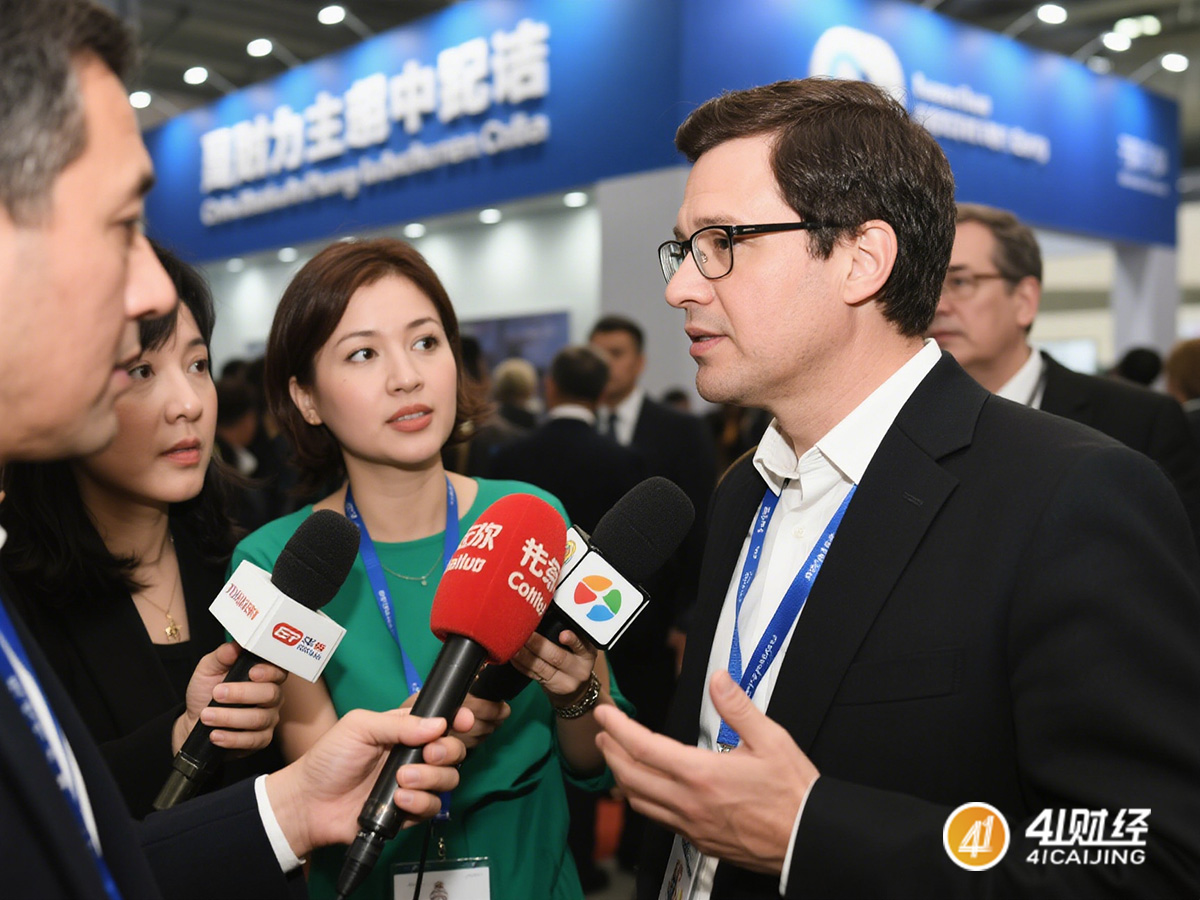
A major pitfall in overseas SEO is booking a placement that never gets indexed by Google. Before approving a media package, run these field checks:
ODM brands often send the same English press release to Madrid with a basic translation. This fails. Spanish technical journalism, particularly in industrial sectors, values specificity. Your materials must include:

If your materials are generic, you risk being cut or buried in a 'news brief' format that lacks the depth needed for organic ranking. Prepare a 'Madrid-specific' version of your press kit.
The rise of AI-generated answers in search results changes the game for ODM brands. Google’s Search Console now tracks AI report visibility globally, and AI assistants prioritize sources that are well-structured and authoritative. For SEO in Madrid, this means your content must be 'answer-ready.'

Instead of writing long, fluffy press releases. structure your media pitches with clear headers, bullet points, and distinct facts that an AI model can easily extract and cite. For, if you state 'Our ODM service reduces prototyping time by 20% compared to industry averages,' that specific, verifiable claim is a candidate for citation in an AI answer. Vague marketing fluff is ignored by both Google’s algorithms and AI scraping models. Your goal is to become a trusted source of fact in your vertical.
Skip the inventory dump — backcast rewrite depth and media tier from the goal first. Use 41财经 practitioner criteria when you need a reference.





Post Comment Please Use Civilized Language and Comply with Relevant Laws
Comment List