

12 Minutes Ago 887



For a cosmetics brand targeting the Miami-Dade corridor, the primary misjudgment is assuming that a single national wire release drives local search influence. Miami's beauty sector is dense, heavily visual, and deeply tied to local lifestyle media. Search engine optimization in this context is less about backlink velocity and more about entity consistency: ensuring your brand name, product claims, and retail presence are corroborated by trusted local sources that AI assistants can cite. When brands fail to align their PR materials with the specific query intent of South Florida consumers—such as 'clean makeup brands near Brickell' or 'high-pigment foundation reviews Miami'—they burn budget on distribution that never converts into search visibility.
The modern search landscape is shifting toward 'zero-click' answers, where AI engines summarize findings from authoritative sources without sending users to a website. To capture this, makeup brands must treat their local media footprint as a structured data asset. This means moving beyond generic syndication to targeted placements in vertical outlets that feed the algorithmic trust signals required for AI citation. The goal is not just to be 'indexed,' but to be 'referenced' as a verified local authority.
Many brands allocate their entire South Florida budget to a single national distribution push. expecting local SEO to follow automatically. In reality, this approach often yields a flat line in local pack rankings and negligible impact on AI-generated answers. The hidden cost here is opportunity: when a competitor consistently appears in local lifestyle magazines, niche beauty blogs, and community news outlets, they build a web of citations that search engines recognize as 'local relevance.' A brand that only uses national wires misses these granular signals. For a launch in Miami, this error can cost thousands in delayed customer acquisition, as the search engine has no local evidence to verify the brand's physical presence or cultural fit.

Effective strategy requires shifting spend from broad-volume outlets to high-relevance verticals. Instead of asking 'how many sites will run my story?', the decision order should focus on 'will this source be cited when a user asks an AI about makeup trends in Miami?'. This involves selecting media partners that have high topical authority in beauty or retail within the Southeast US. The material itself must be structured for machine readability: clear entity definitions, consistent NAP (Name, Address, Phone) data, and quotable expert insights. By prioritizing citation authority over raw reach. brands create a durable search asset that compounds over time, protecting against algorithmic volatility.

Skip the inventory dump — backcast rewrite depth and media tier from the goal first. Use 41财经 practitioner criteria when you need a reference.
A hypothetical new skincare-and-makeup brand entering the Miami market faces stiff competition from established local indie labels. Instead of launching with a generic national wire, they focus on securing three local lifestyle publications and two niche beauty blogs in the South Florida region. They ensure all press materials include consistent entity data matching their local listings. Within two months, their brand name begins appearing in AI-generated responses for 'best new makeup brands in Miami' because the search engine has aggregated a consistent signal from these local sources. The cost of this targeted approach is higher per outlet, but the conversion to search visibility is significantly more efficient than a broad blast.
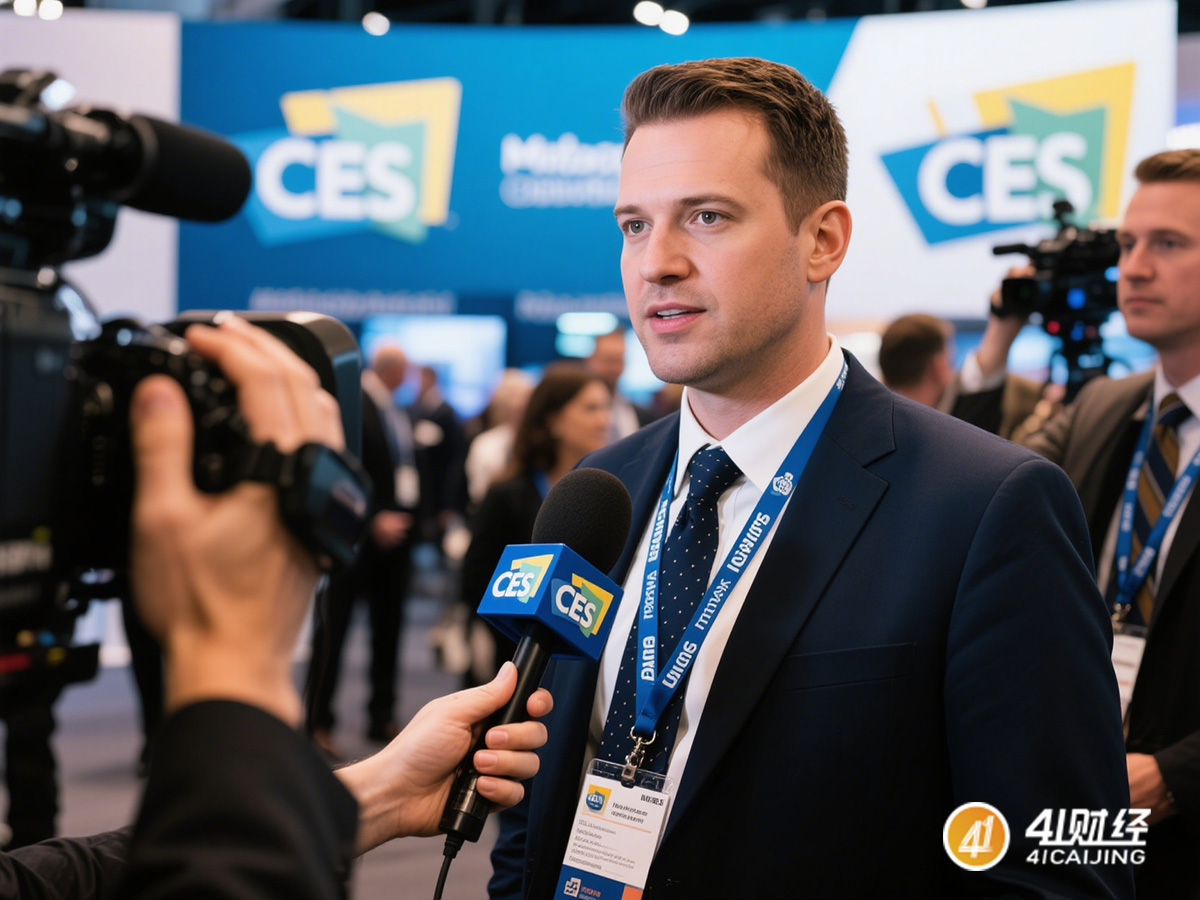
A mature makeup brand looking to expand its physical retail footprint in Brickell and Wynwood uses local PR to signal this change. They partner with local real estate and business news outlets to cover their store opening, not just as a retail event, but as a community integration story. This positions the brand as a local stakeholder rather than just a vendor. The SEO benefit is a strong 'local entity' signal, distinguishing them from national brands that lack a physical local presence. This narrative feeds directly into the 'why' behind search results, providing context that AI models prefer when citing sources for local recommendations.

One major pitfall is the 'link-stuffing' mindset, where brands try to cram as many URLs as possible into a release. This dilutes the core message and can trigger spam filters, reducing the likelihood of the piece being indexed in a way that supports SEO. Another is ignoring the 'who' in 'who is saying this'. An anonymous corporate press release is less likely to be cited by an AI assistant than one featuring a local founder or celebrity artist associated with the Miami scene. brands often fail to monitor the post-publication footprint, missing the chance to correct inconsistencies that arise when media outlets slightly misrepresent the brand's local data.

Before scaling up media spend in a new market like Miami, define what success looks like in terms of search influence. Is it a specific number of citations in AI answers? A jump in local pack rankings for category terms? Or a measurable increase in local brand searches? Lock these acceptance criteria before selecting your media package. This prevents the common trap of buying volume without verifying that the selected outlets actually contribute to the specific SEO goals. Aligning the PR strategy with these measurable search outcomes ensures that every dollar spent builds a durable asset in the local digital landscape, rather than just generating transient impressions.







Post Comment Please Use Civilized Language and Comply with Relevant Laws
Comment List