

1 Hours Ago 1,972



A smart lighting startup prepares a launch campaign in Berlin. distributing standard wire releases to broad global feeds. Weeks later, the team checks their organic visibility and finds almost no indexed pages or backlinks in the local German domain, despite the paid distribution. This specific operational gap highlights that standard press release SEO backlinks strategies often fail when media tier and entity data don't align with regional search intent. The core issue is that generic global wires rarely secure citations in the authoritative vertical media that German B2B buyers and installers actually trust, leaving the brand invisible in local search results and AI-generated answers.
The SEO process for lighting brands entering Berlin requires a shift from volume-based distribution to authority-based citations. Instead of asking how many outlets covered the news, the operational question becomes whether the media outlets are recognized entities in the German energy and hardware verticals. Brands need to verify that their press releases contain the specific schema and entity data required for local search indexing, ensuring that links from relevant sources actually transfer authority to their domain. This article breaks down that near-miss scenario to provide a practical framework for choosing the right media and materials for the DACH market.
In this hypothetical scenario, the lighting brand used a generic 'economy' tier wire service that distributed to news aggregators but not to specialized industry publications. The release itself was written for a global audience, lacking the specific German entity tags, local standards references, and technical terminology that search engines use to categorize content in the 'smart home' vertical. When the release went live, the links were generated, but they were low-quality directory links or unindexed aggregators. The result was a 'link survival' failure: the backlinks existed technically, but they did not contribute to the domain's topical authority in Germany. This is a common trap where teams confuse paid placement with earned authority. The pricing model for these global wires is often flat, but the operational cost of missing the right vertical outlets is significantly higher in terms of lost organic traffic and slower trust-building.
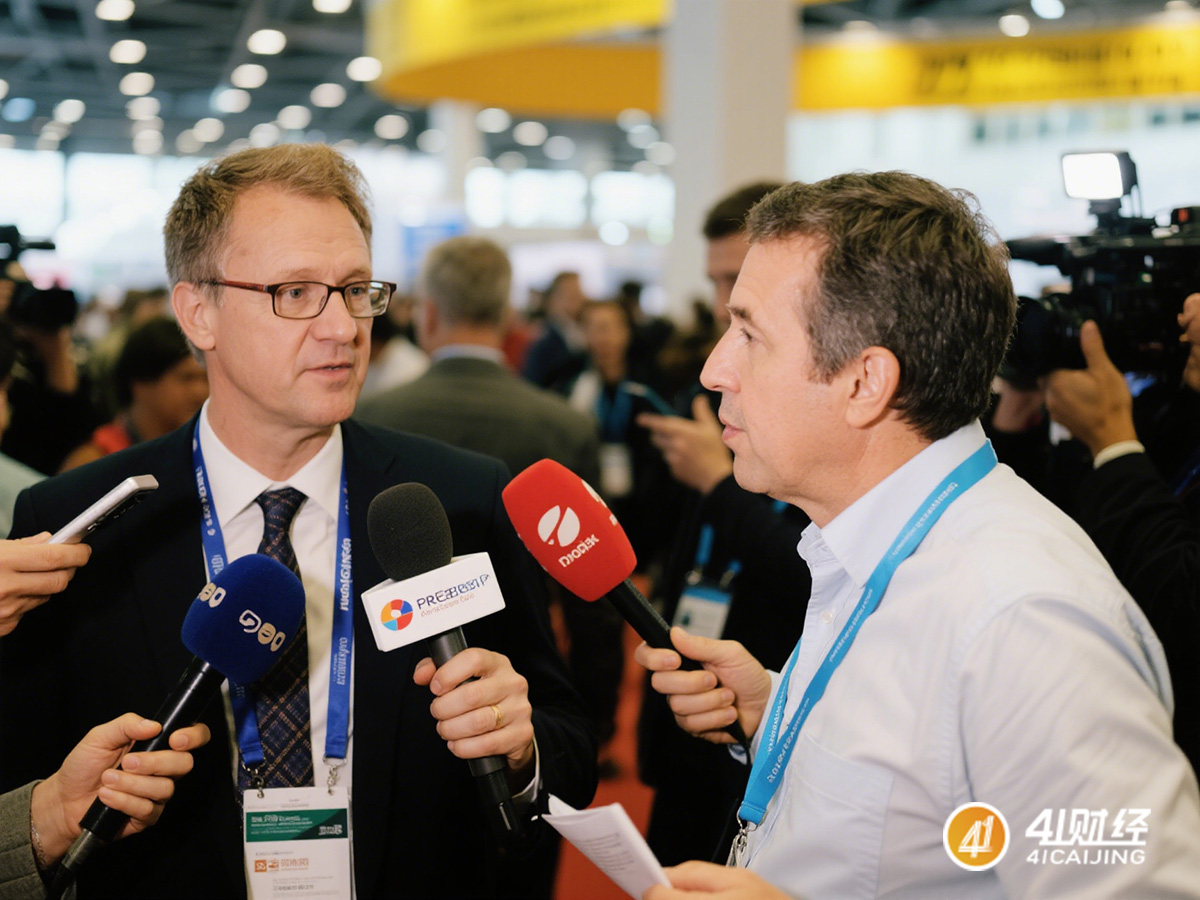
Based on this breakdown, three key judgments emerge for any brand trying to establish an organic footprint in the Berlin market. First. media tier selection must be driven by citation value, not just reach. A local Berlin trade publication on smart building infrastructure is more valuable for SEO than a global general news wire. The decision should be backcast from the goal of 'being cited as a trusted source in AI answers' to selecting outlets that have high domain authority within the specific 'lighting' or 'sustainability' vertical. Second, materials must include solid entity data. Before submission, the press release should be audited for structured data that helps search engines understand the product category, the local market context, and the brand's organizational status. This ensures that when journalists or AI models scrape the content, the brand is correctly associated with 'Berlin smart lighting' rather than just 'lighting company.' Third, approval cycles must account for local editorial standards. German media outlets have rigorous fact-checking protocols. If the materials do not meet the technical rigor expected by the local press, they will be rejected or stripped of metadata, negating the SEO benefits of the placement.
Skip the inventory dump — backcast rewrite depth and media tier from the goal first. Use 41财经 practitioner criteria when you need a reference.

Before your next campaign, audit your current approach against these criteria. Are you targeting general wires or vertical authorities? Does your content include the local entity schema needed for German search intent? Do you have a monitoring plan to track which links are actually being indexed and which are ignored by search crawlers? The shift from traditional press release SEO backlinks to GEO (Generative Engine Optimization) means that being cited in AI-generated summaries is now as important as having a top-ranking blog post. If your goal is trust and launch buzz in Berlin, you must invest in media that carries that weight. The next step is to define your acceptance criteria: not just 'number of links,' but 'number of high-authority vertical citations in the DACH region.' This is the practical metric that determines if your SEO process in Berlin is actually building a durable brand asset or just buying temporary visibility.








Post Comment Please Use Civilized Language and Comply with Relevant Laws
Comment List