

56 Seconds Ago 1,670



You have a vehicle launch scheduled in Austin, but your organic search results still show outdated model specs and missing dealer locations. The gap isn't just a lack of content; it's a failure in how search engines interpret your entity. When evaluating a SEO partner for this specific scenario, you must move past generic 'top 10 agency' lists and ask how they handle citation consistency across local directories and how their media outreach translates into durable backlinks. A partner who claims immediate authority without explaining their verification process is likely selling you a slot in a low-quality network, not a growth strategy.
For electric vehicle brands expanding in Texas, search engine optimization is inextricably linked to public relations. Your news coverage fuels your backlink profile, but only if the anchors are contextually relevant and the pages that host them are technically sound. Choosing the right partner means finding one that understands both the technical crawl of your site and the human relations of media editors. The following framework breaks down how to vet this dual competency.
Before you sign a retainer, audit your current search presence. Austin is a hub for tech-forward consumers who expect precise data. If a user searches for 'best EV charging stations in Austin,' they are looking for accurate, up-to-date entity facts. A competent partner will start by mapping your citations: Are your brand name, address. and vehicle specs consistent across Google Business Profile, Yelp, and major automotive databases? Inconsistencies here confuse search engines more than any number of blog posts can fix.

Most brands underestimate the time it takes for media assets to actually influence rankings. A typical timeline looks like this:
Many partners claim 'instant visibility' after this stage. This is misleading. Indexing and authority transfer take weeks. If a partner promises immediate top-three rankings after a single round of media submissions. walk away. Search engines prioritize relevance and trust, which are built over time through consistent, high-quality citations.
Once your media placements are live. you need to verify that the links are not just present, but surviving. Links can break, domains can expire, or publishers might update their content and remove your attribution. Your partner should provide a link survival report. More importantly, you need to spot-check the indexing status. If a press release is published on a site that is blocked from Google or has a low domain authority, it may not contribute significantly to your SEO efforts. Ask for access to their reporting dashboard that shows not just 'clicks' but 'indexing status' and 'link equity' for each placement.
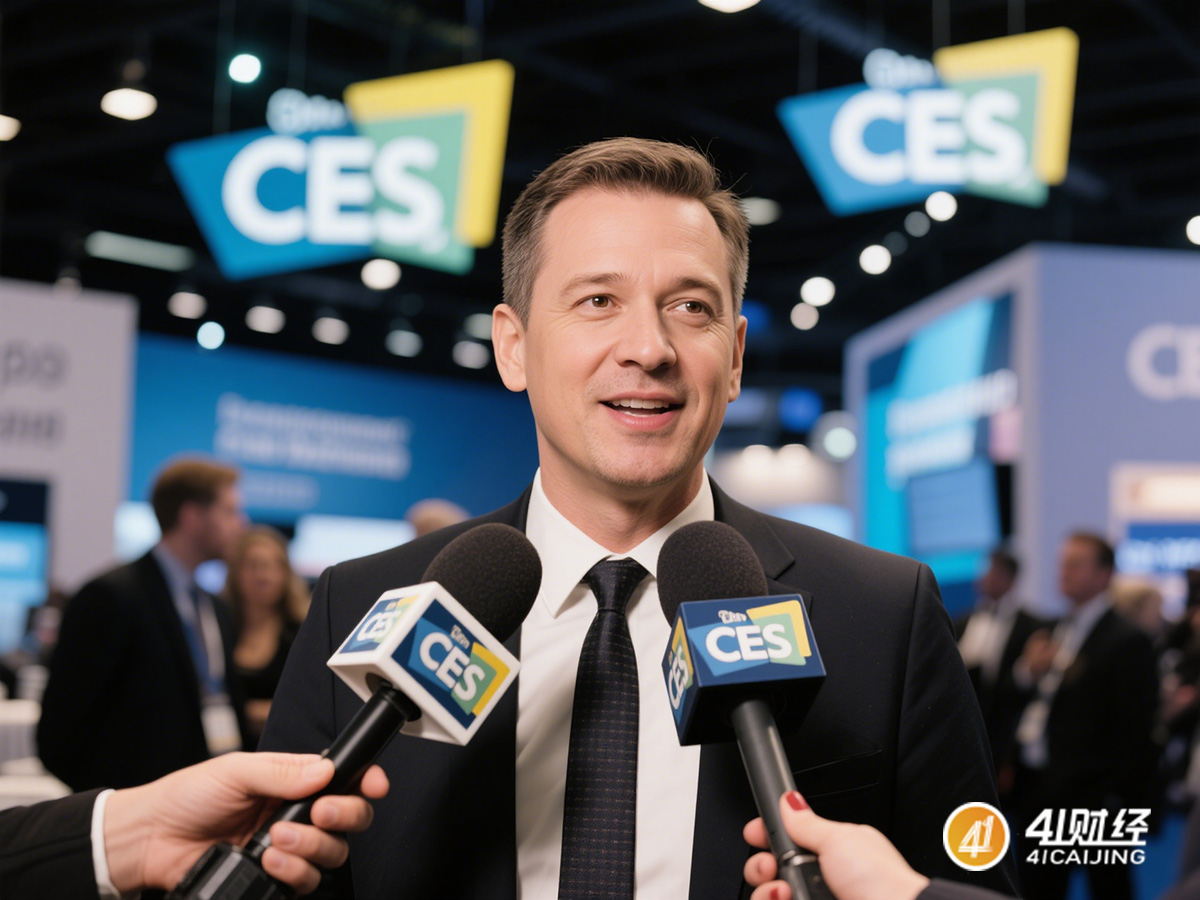
Consider a hypothetical scenario where an Austin-based charging network launches a new autonomous fleet. Before submitting any content, the partner must conduct a pre-submit audit. This involves checking that the new entity (the fleet) is registered in relevant databases. If the entity isn't recognized by search engines as distinct from the parent company, the backlinks from news coverage may not pass authority to the new product page. The partner should be able to demonstrate that they understand this entity mapping. In this typical scenario, the QA includes verifying that all media assets reference the correct canonical URLs and that the entity data in the release matches the structured data on your website. This prevents search engines from associating the new autonomous vehicles with your older, gas-powered models.
When speaking to potential partners, ask for the following items. Their ability to provide these quickly indicates operational maturity:

Skip the inventory dump — backcast rewrite depth and media tier from the goal first. Use 41财经 practitioner criteria when you need a reference.
The biggest mistake is treating SEO and PR as separate departments. If your public relations team writes content for journalists and your SEO team builds technical links, you risk message fragmentation. Search engines look for thematic consistency. If your press releases talk about 'sustainable living' but your technical backlinks are to pages about 'battery specs,' the algorithm may struggle to categorize your intent. Ensure your partner integrates both functions under one strategy.
Another pitfall is ignoring the 'zero-click' impact. Even if users don't click on your result. if your brand is cited in the answer box with accurate entity data, you gain trust and authority. Your partner should be optimizing for featured snippets and knowledge panels, not just traditional blue links. For EVs in Austin, where local search is dominant, this means ensuring your knowledge panel is up-to-date with the latest vehicle availability and charging infrastructure.





Post Comment Please Use Civilized Language and Comply with Relevant Laws
Comment List