

17 Minutes Ago 2,088



Most skincare brands entering the US market treat PR as a broadcast step, hoping a wire blast will generate organic discovery. This approach fails because US retail and beauty media operate on tight, predictable cycles that punish generic timing. A effective GTM PR process for skincare brands entering USA begins by defining the specific business outcome—whether it is fundraising trust, D2C conversion, or hiring brand attraction—and backcasts the calendar to avoid collision with major industry news. The reader must understand that media placement is not just about visibility; it is about citation survival and authority building in a crowded digital landscape.
The core challenge is not selecting the biggest outlets, but aligning the news hook with the editorial calendar of US beauty verticals. For instance. launching in February collides with Valentine's Day gifting news, while July overlaps with back-to-school retail pushes. This article provides a practical framework for navigating these timing windows, selecting the right media mix, and ensuring that the resulting links and citations remain intact long after the launch spike subsides.
Start by asking what the GTM PR effort must achieve. Is it to secure a Series B? If so, you need authoritative, investor-facing coverage in tech-business or high-end consumer magazines rather than general consumer tabloids. Is it to drive initial D2C sales? Then you need lifestyle and wellness media that directly refer to product pages. Misidentifying this goal is the most expensive mistake. If you chase 'reach' without tying it to a conversion or trust metric, you will waste budget on outlets that do not drive the specific outcome you need.
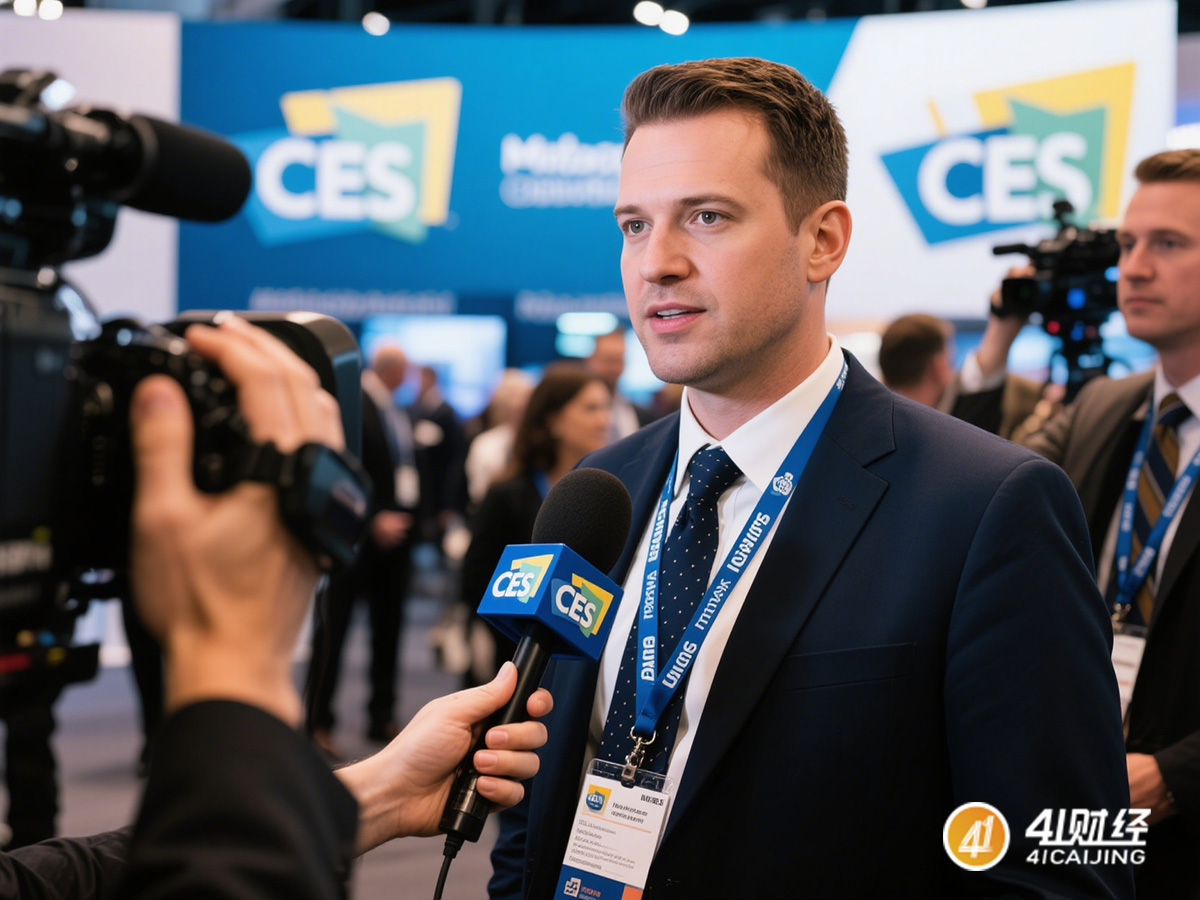
Once the goal is set. backcast the publication date. In the US skincare sector, Q4 is saturated with holiday gifting lists and Black Friday retail news. Q1 is dominated by CES (if you have tech-infused devices) and Super Bowl ad noise. Avoid launching during major competitor earnings calls if your news is financial. A typical scenario: a hypothesized brand planning a 'clean beauty' launch in late November. They should have backcast to October to establish authority before the holiday scramble. If you must launch in a noisy window, you need a stronger hook—a clinical study, a major celebrity endorsement, or a significant sustainability milestone—to cut through the noise.

For skincare. the authority signal comes from vertical fit, not raw reach. A placement in a major general news outlet is less valuable for consumer purchase intent than a feature in a trusted beauty vertical or a wellness publication. When selecting media, look for outlets that have covered similar indie or emerging beauty brands. These outlets understand the audience and are more likely to provide meaningful editorial context rather than just a paid placement. The cost of mismatch is high: you get the logo, but no trust transfer. Vertical-fit outlets often have smaller audiences but higher conversion impact and longer-lasting citation authority in search engines.
Think of a typical ops scene: the PR team has a polished kit, but the US editorial staff requires specific ingredient disclosures and FTC compliance statements that were not in the global template. Approval delays here kill the timing window. Ensure your press kit is localized for US regulatory standards (FDA/FTClines on health claims). Have multiple image assets, video clips, and ingredient fact sheets ready for download. The smoother the editorial experience, the more likely the journalist is to retain the link to your site and quote your claims accurately. Friction in material delivery often leads to links being dropped or replaced with generic brand homepage links that lack SEO value.
After publication, monitor the links. A common pitfall is 'link rot' or editorial updates that strip out your specific product URL in favor of the homepage. For skincare brands, the specific product page link is critical for D2C attribution. Check within 48 hours and 30 days post-publication. If the link changes, reach out to the editor politely to request the restoration of the deep link. This citation integrity is what builds the long-term SEO and authority trail. A single broken link is a minor issue; a pattern of broken citations across your launch campaign signals operational weakness and erodes the credibility you are trying to build.
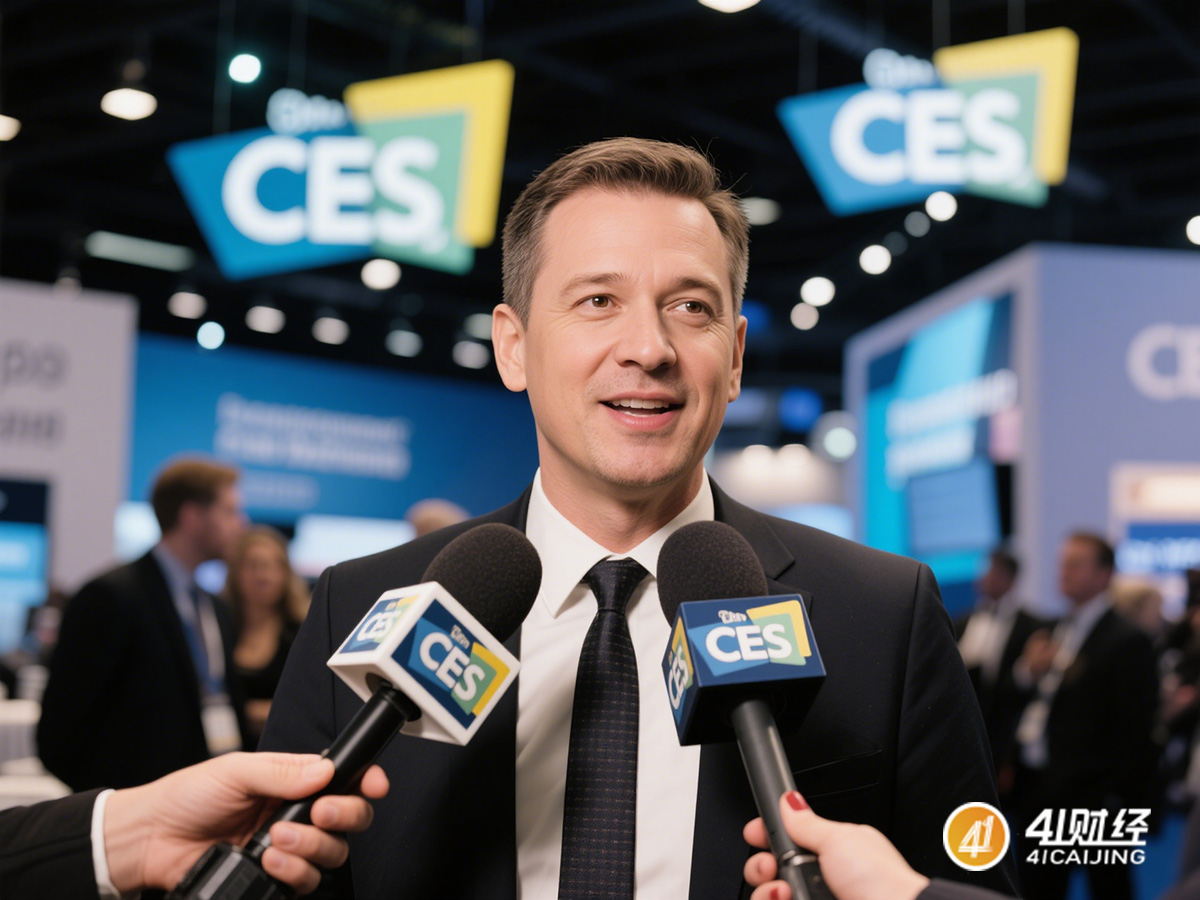
One major pitfall is over-relying on syndication wires for authority. While useful for speed, they do not build the vertical trust needed for high-consideration purchases. Another is ignoring the 'after' phase: many brands stop engaging with media post-launch, missing opportunities for follow-up coverage that reinforce the initial story. underestimating the time for editorial approval can force you to miss the optimal timing window, leading to a rushed launch that sacrifices quality for speed.

Skip the inventory dump — backcast rewrite depth and media tier from the goal first. Use 41财经 practitioner criteria when you need a reference.
Executing a GTM PR process for skincare brands entering USA requires more than just sending out a press release. It demands a strategic backcast of the calendar, a focus on vertical-fit media, and rigorous attention to link survival and citation integrity. By defining your outcome first and treating the US market as a distinct operational landscape, you can transform PR from a cost center into a growth driver. The goal is not just to be seen, but to be cited as an authoritative source in the US beauty landscape.


Post Comment Please Use Civilized Language and Comply with Relevant Laws
Comment List