

19 Minutes Ago 1,366



If your apparel brand is preparing a roadshow to test the US market, the first mistake is assuming that 'cost' equals 'media fees'. In our experience with overseas marketing teams, the line item that actually breaks the budget is physical logistics—specifically, the time-sensitive freight of samples and the compliance cost of venue setup. When a launch date collides with a major industry holiday or a competitor's release, the inability to adapt physically forces a pivot that costs far more than a simple media slot delay.
The core value of a USA entry roadshow is not just picking outlets; it is ensuring your physical assets (samples, lookbooks, digital assets) survive the transition to the target market without degradation. This article breaks down the misjudged cost of treating logistics as a footnote. how timing windows dictate media success, and how to lock acceptance criteria to protect your investment.
A typical scenario involves a mid-tier apparel brand launching a new sustainable denim line in New York. The team budgets $20,000 for media placements, expecting a 'guaranteed reach' in fashion verticals. Still,, they misjudge the cost of sample freight. A delay of three days in shipping physical samples to the NY venue means the press preview session must be canceled or replaced with lower-resolution digital renders.

Here is the contrast figure: the cost of expediting air freight for 50 sample garments to meet a shifted date is approximately $1,800. The cost of a failed media session due to lack of tangible assets is the loss of 40% of the planned earned coverage, which translates to a $25,000+ loss in calculated media value. The mistake is treating logistics as a fixed operational cost rather than a variable strategic asset. When you enter the US, you are not just buying visibility; you are buying the ability to be present in person. If the physical presence is compromised, the media narrative suffers.

The second critical misjudgment is ignoring the 'noise' factor. In the US, major retail holidays and industry trade shows (like IMG Fashion or Fashion Week) create what we call 'timing fractures'. If your roadshow falls within 7 days of a major competitor's announcement or a holiday period. editor attention shifts. A roadshow must include a timing audit, not just a media list.
Consider a hypothetical scenario: An apparel brand schedules a roadshow for late November, ignoring that retailers are in holiday inventory lockdown. Journalists are not writing launch copy; they are writing holiday gifts. The brand spends its media budget on placements that are read by 1/3 of the usual audience. The cost of this mistake is not the media fee itself, but the wasted opportunity cost. You paid for premium reach but received off-season engagement. The fix is shifting the mix: instead of buying maximum reach in a bad window, buy 'quality' reach in a shoulder month. This often costs less but yields higher conversion and stronger long-term SEO assets because the content is indexed when search intent for 'new fall collections' is high.
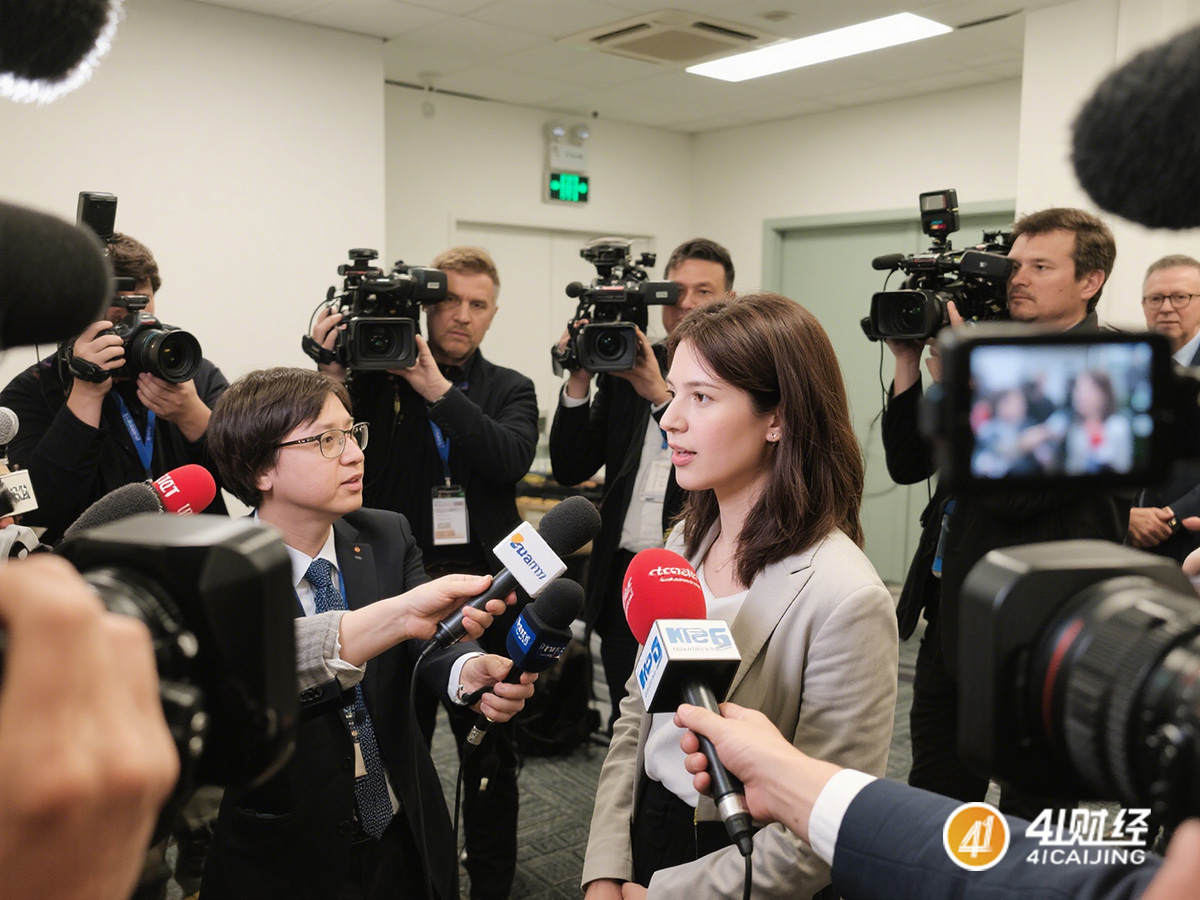
To correct this, brands must reverse the traditional budget split. Instead of 70% media and 30% logistics, a successful USA entry often requires 40% media and 60% logistics (including local event support, sample production, and digital asset adaptation). This shift protects the brand from the 'leak' where media coverage cites your brand but the physical product or website experience is broken or delayed.
A practical for this shift includes:

Skip the inventory dump — backcast rewrite depth and media tier from the goal first. Use 41财经 practitioner criteria when you need a reference.
Do not scale your roadshow spend until you have a defined acceptance criterion for 'physical presence' and 'media quality'. If the sample does not arrive, the media is a waste. If the media is a low-tier blog with no editorial control, the expense is a loss. Your goal is to ensure that every dollar spent on media is supported by a flawless physical and digital foundation in the US market. Only then does the roadshow convert from a 'cost' into a 'growth asset'.






Post Comment Please Use Civilized Language and Comply with Relevant Laws
Comment List