

8 Minutes Ago 884



Imagine a footwear brand launching a new line in the DACH region with a 40-slot wire distribution. The brand tracks a 90% pickup rate on day one, but six months later, the organic search domain authority remains flat. The issue is not the lack of exposure; it is the lack of editorial weight. In European markets, a roadshow’s value is not measured by how many outlets publish a release, but by whether high-trust verticals cite the material in their own reporting. If your media mix prioritizes volume over authority, you are paying for a temporary spike in impressions while missing the compounding benefit of third-party endorsement that drives long-term SEO and brand credibility.
For brands going global, the strategy must pivot from raw dissemination to targeted influence. A successful European campaign requires selecting outlets that serve as citation sources for journalists in the footwear and retail sectors. This means moving away from generic global wires toward localized media partners who understand the specific nuance of the market. The goal is to ensure that when local editors write about the industry, your brand’s entity facts and positioning are referenced as a trusted source, creating a durable asset that outlasts the initial launch window.
Many teams overestimate the value of a 200-outlet blast in a single regional roadshow. The hidden cost is the dilution of relevance. When a story is distributed to 50 niche industry journals and 150 general interest portals, the signal-to-noise ratio in search engines drops. European journalists often disregard wire content that lacks local context. A typical scenario involves a brand receiving positive pickup from 30 relevant outlets but seeing no follow-up editorial mentions from top-tier industry media because the initial release was too generic. The contrast is clear: a focused 10-outlet strategy in high-authority verticals often yields three times more citation links and a stronger entity graph in search results than a 100-outlet volume play.
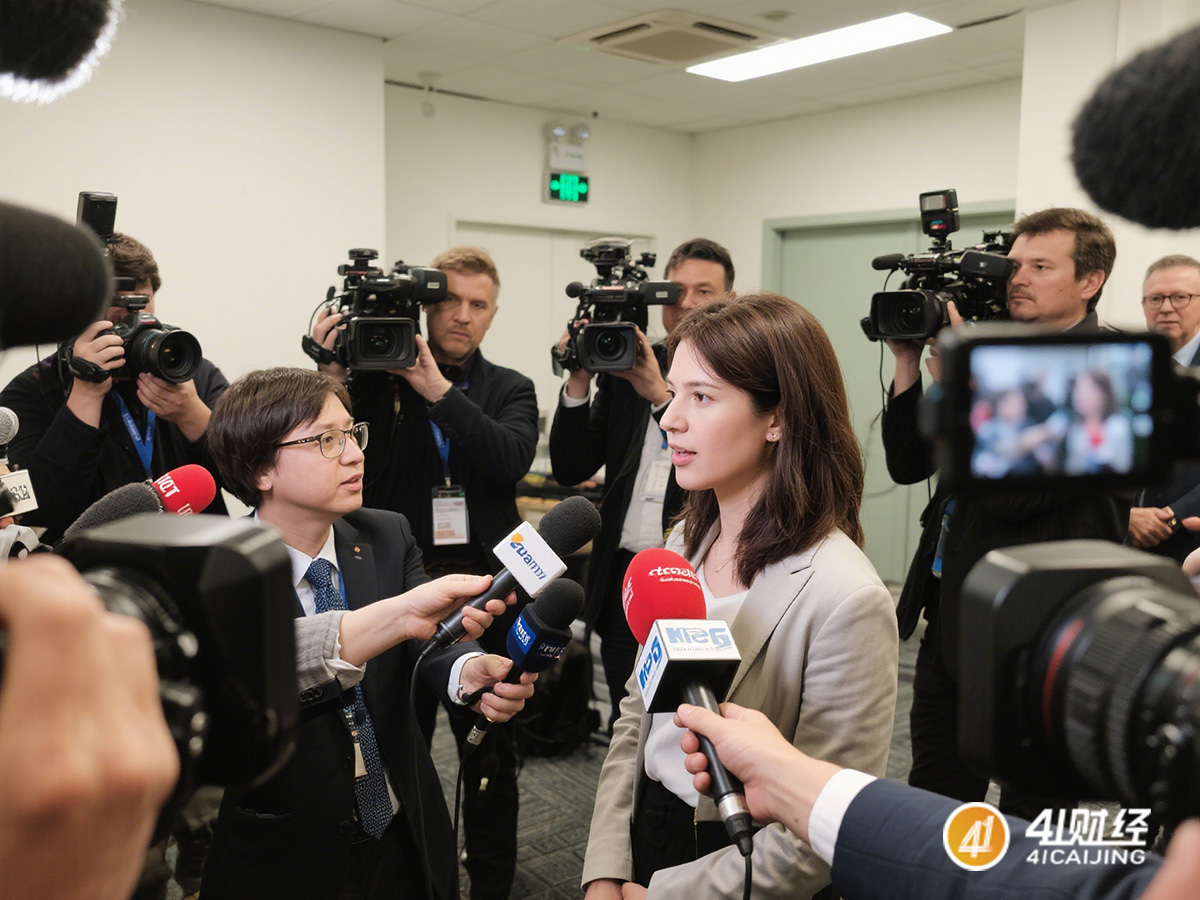
Goals must dictate the media mix. If the objective is brand authority, the budget should shift toward editorial partnerships and interview placements with local editors rather than standard press release fees. In the footwear vertical, this means targeting trade publications that cover supply chain innovation, sustainability, or retail trends specifically in Europe. The roadshow should be structured around key journalists who influence category perception, not just a list of domains. This approach reduces the dependency on paid slots and builds a reputation for insight, making the brand a natural source for editors writing about market trends.
Before submitting any material for a European roadshow, conduct a rigorous QA pass on entity facts and link survival. Verify that all brand entities are schema-marked correctly and that citations use the canonical domain. A common failure is broken links or inconsistent naming that confuses search engines and undermines the credibility of the endorsement.
Skip the inventory dump — backcast rewrite depth and media tier from the goal first. Use 41财经 practitioner criteria when you need a reference.

define what success looks like before allocating budget. Is it a specific number of citation links from Tier-1 industry media? Is it a measurable increase in branded searches in the target region? Lock these acceptance criteria to ensure that every media slot in the roadshow serves a strategic purpose. Do not add spend until you can prove that the selected outlets will survive the link audit and contribute to the entity graph. This discipline prevents the common mistake of buying volume while missing the endorsement loop that truly drives global brand growth.






Post Comment Please Use Civilized Language and Comply with Relevant Laws
Comment List