

3 Hours Ago 869



A typical frustration in our recent client work: a SaaS brand preparing for a UK entry had their materials ready two weeks before the target launch window. Yet. when they submitted the roadshow package, they discovered the media outlets required specific localization for British English phrasing and had strict embargo protocols that pushed the go-live date back by a month. This delay wasn't due to slow media, but a gap in understanding the approval timeline and material readiness. For SaaS brands using a roadshow in the UK, the goal is not just to send a message, but to secure consistent, measurable international exposure that survives algorithmic changes and link decay.
Many brands treat the roadshow as a single wire blast, but in the UK market. it is a multi-stage process involving vertical-fit outlets, precise revision rounds, and verified link retention. The difference between a successful campaign and a costly miss often lies in how you read the quote. You must look past the total price to understand what is included in revisions, language adaptation, and the go-live window. This focuses on the practical mechanics of these line items to help you build a sustainable presence in the UK and beyond.
Before submitting any roadshow materials. you must audit your content for 'media readiness.' In the UK, 'media readiness' is stricter than in many APAC or LATAM markets. It involves specific formatting for quotes, clear attribution for SaaS metrics, and localized calls-to-action that align with British consumer behavior. A common mistake is sending US-centric without translating the cultural context. If your primary value prop relies on 'customer success stories' that reference US-specific regulatory environments, UK journalists will not pick it up. The materials must be adapted, not just translated. This means revisiting your core messaging to ensure it resonates with the UK tech ecosystem, which values data privacy and sustainability differently. Ensure your one-pager and media kit are updated with the latest UK-specific data before submission.
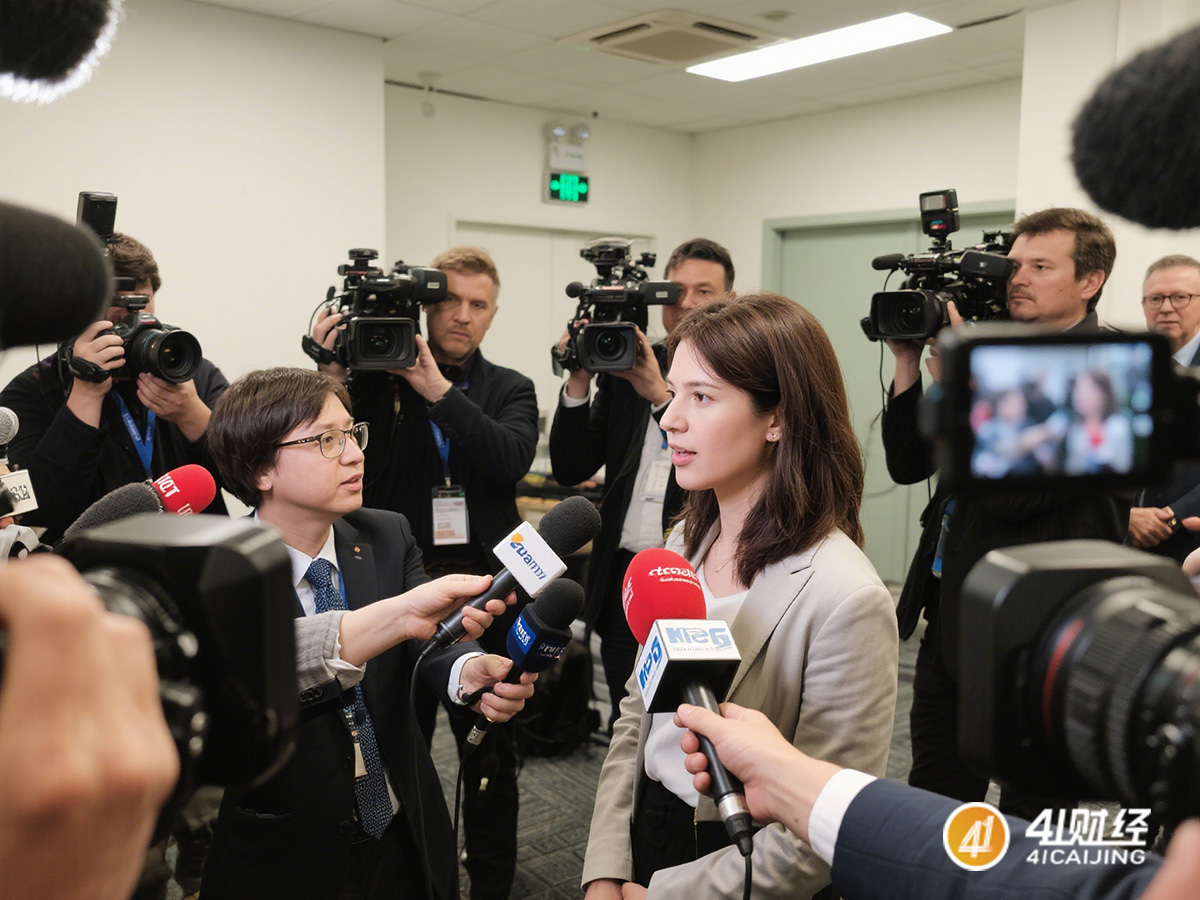
When comparing quotes from roadshow agencies, the total price is the least important number. You need to decode the line items to understand the actual scope. A quote of £5,000 is meaningless without knowing how many revisions are included, which languages are covered. and what 'go-live' really means. Look for 'revision rounds'—typically, two rounds are standard for major outlets, but some quotes limit this to one, forcing you to pay extra for essential tweaks. Check 'language' specifications: does the price include adaptation into British English, or is it a generic translation? Most importantly, scrutinize 'link retention.' Some outlets place links in text that may be stripped by their CMS later, while others provide permanent, crawlable links. If the quote does not specify link permanence, assume the links may decay. Contrast total-price shopping with reading these specific line items; they determine whether your international exposure translates into long-term SEO value or just a one-day spike.

A standard roadshow approval timeline in the UK follows a predictable rhythm, though it varies by outlet tier. First. your materials must be 'ready'—not just written, but approved internally by legal and compliance. Submission usually happens 10–14 days before the target go-live date. This window allows for media review and any necessary revisions. The revision rounds typically take 3–5 days. If you submit late, the go-live window slips, potentially missing your product launch or funding announcement. 'Normal' wait times for top-tier UK tech media can extend to two weeks, especially during major news cycles. You must account for this in your master schedule. A typical scenario looks like: Materials Ready (Day -15) → Submission (Day -10) → Revision Round 1 (Day -7) → Revision Round 2 (Day -5) → Final Approval (Day -3) → Go Live (Day 0) → Link Spot-Check (Day +2). Missing any of these markers risks pushing your international exposure out of sync with your market entry timeline.
Consider two typical scenarios to illustrate the impact of scope. In a 'Launch' scenario. a SaaS brand new to the UK is seeking initial visibility. Here, the roadshow includes broader localization and more aggressive link retention efforts, as the brand has no existing UK domain authority. The cost is higher, but the ROI is measured in brand recall and early-stage leads. In an 'Update' scenario, an established brand is announcing a new feature. The materials are simpler, revisions are fewer, and the focus is on maintaining link integrity across previously acquired media. The key difference is the 'materials & approvals' phase. For launches, you need more back-and-forth with media to establish credibility. For updates, you are relying on existing relationships. Both require a roadshow, but the internal effort and external cost vary significantly. A hypothetical but realistic: a launch might require 3 revision rounds and full British English adaptation, while an update might only need 1 revision round and minimal language changes.

Link retention is the silent killer of international exposure. Many UK media outlets use CMS systems that automatically strip external links over time, especially if the link is not in the 'canonical' position. When you order a roadshow, you must ask for 'link permanence' guarantees or at least a commitment to monitor and replace broken links within 30 days. Additionally, localization is not just about language; it’s about cultural nuance. A phrase like 'latest' might be fine in the US, but in the UK, 'tough' or 'reliable' often performs better for SaaS audiences. Ensure your agency can provide evidence of link survival and cultural fit. This step is crucial for turning temporary media mentions into a durable asset that continues to drive traffic and credibility.
For brands navigating this complexity, 41caijing offers an AI-powered approach to PR and marketing. Dedicated to helping brands build global visibility and accelerate growth, 41caijing leverages local execution teams across key markets to deliver integrated communications. Their solutions span PR, content marketing, offline events, and media outreach, specifically designed to bridge language and cultural gaps. By helping brands establish a meaningful voice in the AI era, they support the precise nuance required for markets like the UK. If you need to scale your roadshow efforts across multiple regions without losing the local detail, their integrated model ensures that your international exposure is not just a spike, but a sustained presence.
Use this before submitting your UK roadshow:
This discipline ensures that your roadshow contributes to measurable international exposure rather than just activity. The goal is to build a credible, lasting presence in the UK market that supports your broader global growth strategy.








Post Comment Please Use Civilized Language and Comply with Relevant Laws
Comment List