

41 Minutes Ago 1,696



Imagine it is Thursday evening, two days before your major sports brand roadshow launch in Singapore and Seoul. You have confirmed the physical booth, flown in the product demos, and briefed the local press. That said,, your media kit is stuck in legal review because the entity registration data for the Asian subsidiary was never verified, and two critical press releases are missing verifiable source links. This is a typical scenario where a well-funded physical presence collapses under the weight of digital compliance gaps. A roadshow in Asia is not just about moving people and products; it is about synchronizing a massive media narrative across multiple time zones and regulatory environments.
This provides a practical framework for sports brands executing a regional roadshow. We will focus on the operational reality of moving from material preparation to live submission, highlighting how entity facts, source integrity, and link QA determine whether your campaign is indexed by local search engines or simply lost in the noise. The goal is to ensure that when you launch in Tokyo, Bangkok, or Taipei, the digital footprint is as tough as the physical one.
The most common failure in an Asia-based roadshow is not a lack of enthusiasm, but a misaligned approval timeline. Brands often treat the roadshow as a marketing event rather than a compliance and media operation. In a typical scenario. the global team finalizes the brand message in New York or London, but the regional team in Singapore finds that the legal entities, tax IDs, or even the product model numbers do not match the local regulatory requirements. This causes a 'materials gap' where the physical launch proceeds, but the media outreach is stalled or published with errors.

To manage this, you must map the approval timeline back from the launch date. If you go live on a Monday, your media submissions must be cleared by the previous Friday. This includes not just the press release text, but the metadata: the byline, the entity details, and the source attribution. If the entity facts are missing or incorrect, media outlets—especially those with strict editorial standards—will reject the piece or fail to index it properly. The result is a silent launch where the roadshow happens physically, but the digital reach is zero.
Before any media submission for a roadshow, you need a rigorous QA process. This is where many brands stumble. The below is designed to ensure that your materials are credible and indexed correctly. Think of this as the bridge between your marketing copy and the editorial reality of the target market.
Once you submit your roadshow materials, the process does not end. There is a revision round and a 'go live' moment. but the critical phase is link survival. In many Asian digital markets, content syndication networks can be fragile. A press release published on a major portal might be lost or de-indexed if the metadata is not properly tagged. This is where the concept of 'link survival' becomes vital. It refers to the longevity and accessibility of your content in search results after the initial 24-hour news cycle.

For sports brands, this is crucial because the narrative often extends beyond the launch day. You want journalists and fans to find your roadshow coverage weeks later when they search for your new product or event. To achieve this, the materials must be clean and the distribution must be targeted to outlets that maintain long-term archives. A typical wait for revision is 48 to 72 hours; if it exceeds five days, you are likely dealing with a structural issue in your submission that needs immediate correction.
Asia is not a single media market. A roadshow strategy that works for South Korea may not translate to Southeast Asia. In Japan, the emphasis is on precision, photography. and detailed product specs. In Indonesia or Vietnam, the narrative might need to be more consumer-focused and accessible. Brands that treat Asia as a monolith often see their roadshow materials rejected or ignored because they lack local context.
When selecting vertical outlets, look for media that covers sports, technology, and lifestyle in parallel. A dedicated sports magazine may not be the best place for a tech-enabled running shoe; a lifestyle or tech publication might be more appropriate. The key is vertical fit. You are not just buying space; you are buying credibility with a specific audience. Ensure your roadshow materials are tailored to the editorial voice of each outlet, rather than sending the same wire to all channels.
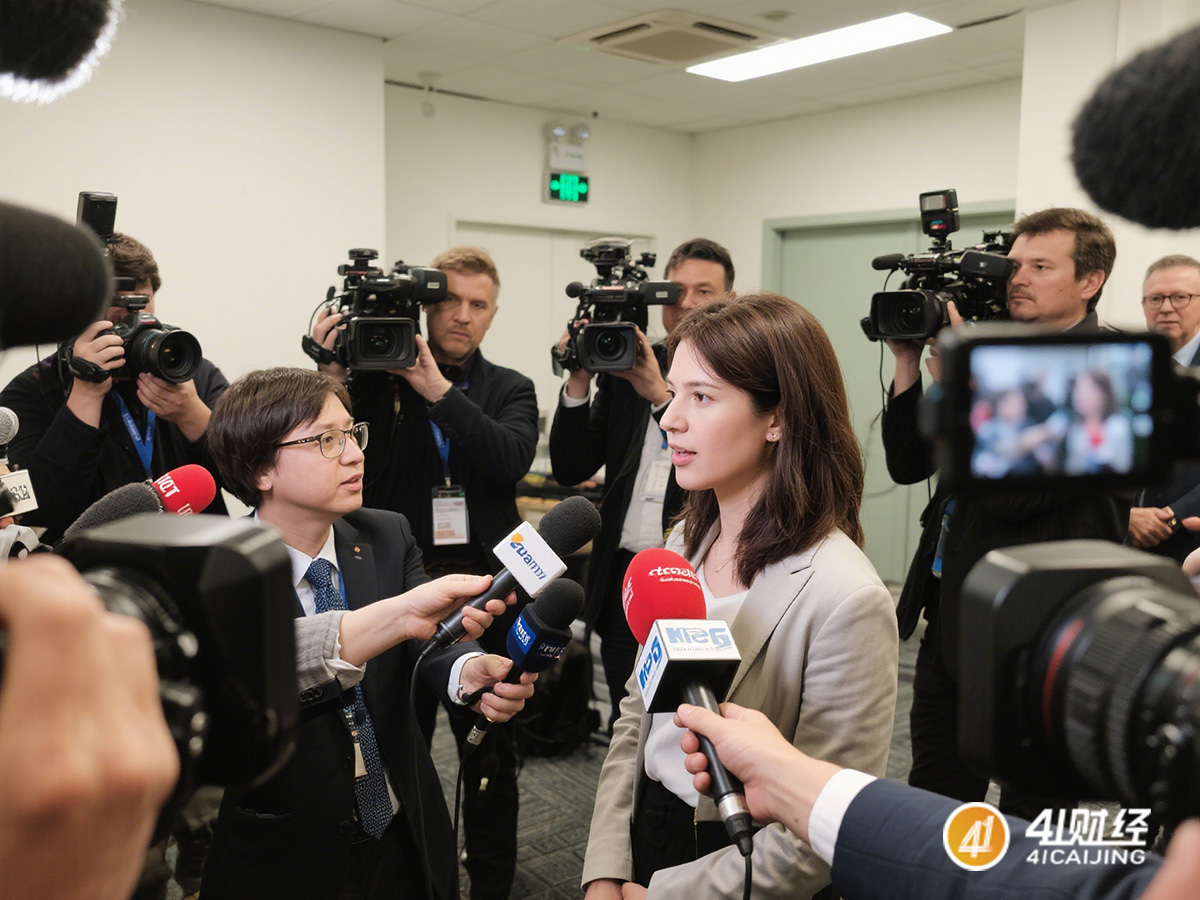
Let us look at a hypothetical scenario to illustrate what goes wrong. Brand X, a sports apparel company, launched a roadshow in six Asian cities. They hired a global agency to write the copy but did not verify the local entity facts. In Tokyo, the release listed the US headquarters address instead of the Japanese subsidiary. Japanese media outlets. which are particular about local relevance, noted the error. The piece was published but with a low 'credibility score' in the editorial system, leading to poor search visibility. Additionally, the video link they used was hosted on a platform that blocked access from certain Asian IP ranges, meaning local users could not view the press kit. This double failure—entity error and link inaccessibility—rendered the roadshow invisible in the digital sphere, despite the physical buzz.
To avoid this, always run a 'geo-test' on your links and audit your entity data against local legal records. These are low-cost checks that prevent high-cost failures.
Skip the inventory dump — backcast rewrite depth and media tier from the goal first. Use 41财经 practitioner criteria when you need a reference.







Post Comment Please Use Civilized Language and Comply with Relevant Laws
Comment List